Introduction to Whey Protein Isolate
Whey protein isolate is a high-quality protein derived from the whey, a byproduct of cheese production. It undergoes extensive processing to remove most fat and lactose, resulting in a protein content of approximately 90% or more. This purity makes whey protein isolate one of the most sought-after supplements in the fitness and nutrition community. Due to its high bioavailability, it is quickly absorbed by the body, making it particularly beneficial for muscle recovery and growth.
In recent years, the popularity of whey protein isolate has surged, especially among athletes, bodybuilders, and health enthusiasts. These individuals often seek to enhance their performance and recovery post-exercise. The supplement is also appealing for those aiming to improve their overall nutritional intake without adding excessive calories from fats and carbohydrates. Consequently, it is commonly used in protein shakes, bar formulations, and various dietary products.
One of the significant advantages of whey protein isolate lies in its rich profile of essential amino acids, notably branched-chain amino acids (BCAAs), which are crucial for muscle synthesis and repair. This makes it an ideal choice for individuals engaged in strength training or high-intensity workouts. Moreover, its versatility allows it to be easily incorporated into various recipes, such as smoothies, baked goods, and other culinary creations.
Despite its numerous advantages, it is important to note that, like any supplement, whey protein isolate may not be suitable for everyone. Individuals with lactose intolerance or allergies to dairy proteins should consider alternative sources of protein. Understanding the nuances of whey protein isolate is essential for making informed dietary choices suited to individual needs and fitness goals.
Understanding Whey Protein Isolate: Origin and Composition
Whey protein isolate is a high-quality protein derived from milk, a natural and vital nutrient source. During the cheese-making process, milk is coagulated to separate the curds, which are primarily fat and casein proteins, from the liquid whey. The resulting whey is rich in proteins and has various biological properties. To obtain whey protein isolate, this liquid whey undergoes further processing. It is filtered to remove fats and carbohydrates, allowing for a concentrated protein product that contains at least 90% protein by weight, making it one of the purest forms of protein available.
The biochemical composition of whey protein isolate is noteworthy. It contains a rich blend of essential amino acids, which are crucial for protein synthesis in the body. Among these amino acids, branched-chain amino acids (BCAAs) such as leucine, isoleucine, and valine are prevalent. These BCAAs are particularly beneficial for muscle recovery and growth, making whey protein isolate a favored choice among athletes and fitness enthusiasts. In contrast to whey protein concentrate, which retains some fats and carbohydrates, whey protein isolate provides a more refined option for individuals seeking to maximize protein intake without additional calories.
Whey protein isolate is not only characterized by its high protein content but also by its rapid absorption rate. This property allows for a quick supply of amino acids to the muscles post-exercise, promoting recovery. Additionally, the protein is naturally low in lactose, making it suitable for those with lactose sensitivity. Its unique qualities not only contribute to muscle development but also support overall health, making it an ideal nutritional supplement for various dietary needs.
How to Use Whey Protein Isolate Effectively
Whey protein isolate (WPI) is a versatile supplement that can be easily incorporated into a variety of dietary routines. To utilize whey protein isolate effectively, it is important to consider serving sizes, timing of consumption, and methods of incorporation into meals and snacks. General recommendations suggest a serving size of approximately 20 to 30 grams of whey protein isolate, although individual needs may vary based on factors such as body weight, activity level, and fitness goals.
The optimal timing for consuming whey protein isolate is often around workouts. For those engaging in resistance training or high-intensity workouts, it is advisable to take WPI shortly before or after the exercise session. This timing helps to maximize muscle recovery and enhance protein synthesis. Consuming whey protein isolate post-workout aids in replenishing depleted amino acids, thus supporting muscle repair and growth.
There are numerous methods to incorporate whey protein isolate into your diet. One popular way is mixing it into smoothies. By combining whey protein isolate with fruits, vegetables, and a liquid of choice, you can create a nutrient-dense shake. Additionally, incorporating WPI into baked goods—such as protein pancakes or muffins—allows for a convenient and delicious way to boost protein content. This can be particularly beneficial for those who struggle to meet their daily protein intake through whole foods alone.
When selecting whey protein isolate products, it’s crucial to prioritize quality. Look for brands that provide third-party testing to ensure purity and potency. Choose products with minimal artificial additives, sugars, or fillers to achieve the best possible results. By taking these factors into account, individuals can make the most of whey protein isolate in their nutritional regimen, optimizing their fitness and health journey.
The Role of Whey Protein Isolate in Muscle Building and Recovery
Whey protein isolate has gained significant recognition in the fitness and health community for its paramount role in muscle building and recovery. Formulated through a comprehensive filtration process, whey protein isolate contains a higher concentration of protein, with minimal carbohydrates and fats, making it an ideal supplement for those aiming to enhance their physical performance and body composition.
Muscle recovery is crucial following strenuous workouts, where microscopic tears occur in muscle fibers. These damages necessitate repair, which whey protein isolate effectively facilitates due to its rich content of essential amino acids, particularly branched-chain amino acids (BCAAs). Research indicates that BCAAs play a critical role in stimulating muscle protein synthesis, reducing muscle soreness, and promoting repair. By incorporating whey protein isolate post-exercise, athletes and fitness enthusiasts can expedite their recovery process and return to their training regimens more swiftly.
Moreover, whey protein isolate supports muscle growth, particularly when combined with resistance training. Scientific studies have substantiated that adequate protein intake, particularly shortly after exercising, significantly increases muscle mass over time. The fast absorption rate of whey protein isolate ensures that amino acids quickly reach the bloodstream, providing the necessary building blocks for muscle development. This makes it a quintessential element of post-workout nutrition.
In addition to aiding recovery and boosting muscle growth, whey protein isolate can enhance overall athletic performance. It helps maintain a favorable nitrogen balance within the body, which is essential for optimal muscle function and growth. Athletes incorporating whey protein isolate into their diets frequently report improved endurance, strength, and recovery times.
In conclusion, whey protein isolate stands out as an indispensable supplement that not only aids in muscle recovery but also supports growth and enhances athletic performance, making it a valuable addition to any fitness regimen.
Health Benefits of Whey Protein Isolate
Whey protein isolate is renowned for its numerous health benefits, making it a popular choice for athletes, fitness enthusiasts, and individuals aiming to improve their overall health. One of the primary advantages of whey protein isolate is its role in weight management. The product is low in carbohydrates and fats, and its high protein content promotes satiety, which can help reduce overall caloric intake. By incorporating whey protein isolate into a balanced diet, individuals may find it easier to manage their weight while supporting muscle maintenance and growth.
Another significant benefit of whey protein isolate is its positive effect on immune function. The isolation process enhances the concentration of immunoglobulins and lactoferrin, bioactive compounds that support the immune system. Regular consumption of whey protein isolate may contribute to improved immune responses, particularly for individuals undergoing rigorous training or those with increased susceptibility to illness.
Whey protein isolate is also advantageous for specific populations, particularly those with lactose intolerance. Since whey protein isolate undergoes extensive processing, it contains minimal lactose, allowing individuals who typically experience discomfort from dairy products to enjoy the benefits of protein supplementation without adverse effects. Furthermore, individuals adhering to dietary restrictions or those recovering from surgery may find that whey protein isolate facilitates faster recovery and helps restore muscle mass effectively due to its rich amino acid profile.
Additionally, research suggests that whey protein isolate may aid in improving overall health markers, such as blood sugar levels and cholesterol profiles. The peptide fractions derived from whey may enhance insulin sensitivity, making it an effective supplement for individuals managing diabetes. Thus, incorporating whey protein isolate into one’s diet offers a variety of benefits, supporting not just weight management, but also overall health and wellness.
Potential Downsides and Considerations
While whey protein isolate is often celebrated for its numerous benefits, it is essential to consider potential downsides and factors that may affect individual users. One significant concern is the possibility of allergenic reactions. Individuals who are lactose intolerant or have a dairy allergy may experience adverse reactions such as bloating, digestive discomfort, or, in severe cases, anaphylaxis. Consequently, it is advisable for these individuals to consult with healthcare professionals before incorporating whey protein isolate into their diets.
Overconsumption of whey protein isolate can also pose health risks. For many, protein is an essential nutrient, but excessive intake may lead to kidney strain, particularly for individuals who already have pre-existing kidney conditions. This strain arises because the kidneys are responsible for filtering out excess nitrogen, which is a byproduct of protein metabolism. Therefore, it is prudent to adhere to recommended dietary allowances and not exceed daily protein requirements without professional guidance.
Additionally, users of whey protein isolate should be cautious about potential interactions with existing medical conditions. For instance, individuals with phenylketonuria (PKU), a rare genetic disorder, must avoid protein supplements with phenylalanine, which is found in whey protein. Moreover, individuals on certain medications, such as those affecting kidney function, should seek professional advice to avoid any possible complications.
In life, one must recognize that while whey protein isolate provides various dietary advantages, it is crucial to weigh these benefits against potential downsides. Responsible consumption, awareness of personal health conditions, and collaboration with healthcare providers can ensure a beneficial protein supplementation experience. With careful consideration, individuals can reap the rewards of whey protein isolate while minimizing risks.
Comparing Whey Protein Isolate with Other Protein Sources
Whey protein isolate stands out among various protein sources, offering unique benefits and specific characteristics. When compared to whey protein concentrate, the primary difference lies in the protein concentration. Whey protein isolate typically contains about 90% protein by weight, while concentrate has around 70-80%. This higher percentage makes whey protein isolate a preferred choice for those aiming for faster muscle recovery and lower lactose intake. However, due to its processing, some argue that concentrate retains beneficial nutrients lost during isolation.
Casein, another dairy-derived protein, features a slower digestion rate, providing a prolonged release of amino acids. This makes it an ideal option for individuals looking for extended protein availability during fasting periods, such as overnight. Conversely, whey protein isolate’s rapid absorption is favorable for post-workout scenarios, allowing for quicker muscle repair. Depending on personal goals—whether it’s immediate recovery or sustained nourishment—individuals should choose accordingly.
Plant-based proteins, such as pea, soy, and hemp protein, cater to those with dietary restrictions or ethical preferences. These alternatives provide a diverse amino acid profile but typically lack the complete amino acid spectrum found in whey protein isolate. Certain plant proteins are also lower in biological value, which means the body may utilize them less effectively. However, combining various plant sources can yield a balanced amino acid profile, making it a viable option for many. Similarly, whole food protein sources like chicken, fish, beans, and lentils also offer high-quality protein with additional nutrients not found in supplements.
Ultimately, deciding between whey protein isolate and other protein sources should involve consideration of individual dietary needs, lifestyle, and fitness objectives. Understanding the differences ensures that the chosen protein source aligns effectively with personal health goals.
Popular Myths and Misconceptions about Whey Protein Isolate
Whey protein isolate has become a popular supplement among fitness enthusiasts and health-conscious individuals, but along with its rise in popularity comes a host of myths and misconceptions. One of the most prevalent myths is that whey protein isolate adversely affects kidney health. This concern originates from the idea that excessive protein intake can strain the kidneys; however, research indicates that in healthy individuals, moderate protein consumption, including whey protein, does not pose any risk to kidney function. Those with preexisting kidney conditions should, however, consult a healthcare professional before increasing protein intake.
Another misconception suggests that whey protein isolate leads to weight gain. While it is true that any caloric surplus could result in increased body weight, whey protein itself is not inherently fattening. In fact, it can aid in weight management when consumed as part of a balanced diet, as it enhances feelings of fullness and supports muscle preservation during weight loss. When integrating whey protein isolate into a diet, it is essential to consider the overall caloric balance and nutrient distribution rather than attributing weight gain solely to protein intake.
Some individuals also believe that whey protein isolate is a prerequisite for building muscle. While protein is crucial for muscle repair and growth, numerous food sources provide sufficient protein without the need for supplementation. Whey protein isolate can be beneficial for those who struggle to meet their protein requirements through food alone, particularly in post-workout recovery. Nevertheless, it is not an absolute necessity for muscle hypertrophy, and individuals can successfully gain muscle by consuming a well-rounded diet rich in various protein sources.
Conclusion: Making an Informed Decision about Whey Protein Isolate
In reviewing the various aspects of whey protein isolate, it is essential to understand both its potential benefits and any associated risks. Whey protein isolate provides a high-quality source of protein that is low in carbohydrates and fats, making it an appealing option for those looking to enhance their protein intake without unnecessary calories. The digestibility and rapid absorption of whey isolate contribute to its popularity among athletes and fitness enthusiasts aiming for muscle recovery and growth.
Moreover, the health benefits attributed to whey protein isolate extend beyond muscle repair. Research suggests that it may support weight management, aid in the regulation of blood sugar levels, and even contribute to improved overall health markers. However, it is crucial to consider individual dietary needs and potential allergenic reactions, particularly for those who may be lactose intolerant or sensitive to dairy products. Furthermore, as with any supplement, the quality of the whey protein isolate product is paramount; consumers should select reputable brands that provide transparency regarding their sourcing and manufacturing processes.
Before incorporating whey protein isolate into your diet, it is advisable to consult healthcare professionals or registered dietitians. They can help assess your dietary requirements and any potential interactions with existing health conditions or medications. Evaluating the balance of benefits and risks associated with whey protein isolate will empower you to make informed choices tailored to your specific health and fitness goals.
In summary, while whey protein isolate can be a valuable addition to many diets, a thoughtful approach that considers individual health factors and professional guidance is crucial for optimal integration into one’s nutritional regimen.


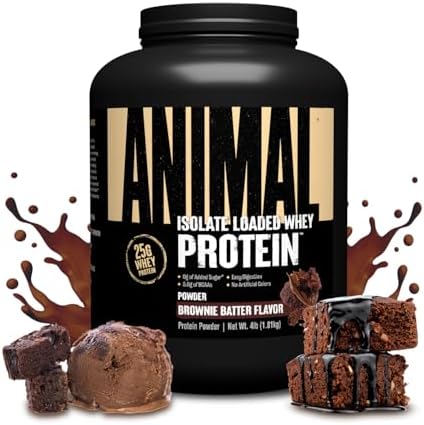
(As an Amazon Associate, I earn from qualifying purchases)