Introduction to Cod Liver Oil
Cod liver oil is a nutritional supplement derived from the livers of cod fish, primarily the Atlantic or Pacific cod species. Traditionally recognized for its rich concentration of omega-3 fatty acids, vitamins A, and D, cod liver oil has gained popularity not only for its health benefits but also for its historical significance in various cultures. The use of cod liver oil can be traced back to the early 19th century when it was primarily administered to individuals suffering from rickets and other vitamin D deficiencies. This was largely due to the oil’s exceptional ability to enhance mineral absorption and promote bone health.
In Scandinavian countries, cod liver oil was a staple part of the diet, celebrated for its enhancement of overall health and well-being. It was commonly used in the form of a daily dose, particularly during the long winters when sunlight exposure was minimal, leading to potential deficiencies in vitamin D. Folk remedies and traditions often highlighted the oil’s restorative properties, reinforcing its cultural significance over generations.
Globally, the benefits of cod liver oil have been acknowledged and embraced by various civilizations. In addition to its historical uses, contemporary research has continuously revealed its potential advantages, supporting heart health, cognitive function, and immune system support. The oil’s rich content of eicosapentaenoic acid (EPA) and docosahexaenoic acid (DHA) contributes to its reputation as an essential component of a balanced diet.
This multifaceted supplement invites further exploration of its different aspects, from its nutritional profile to its practical applications in modern health practices. Understanding the background and historical relevance of cod liver oil lays the groundwork for appreciating its role in contemporary nutrition and wellness.
The Role of Cod Liver Oil in Nutrition
Cod liver oil is a nutrient-dense supplement that has been utilized for its health benefits for generations. One of its primary advantages is its high omega-3 fatty acid content, particularly eicosapentaenoic acid (EPA) and docosahexaenoic acid (DHA). These essential fatty acids are vital for numerous bodily functions including the development and maintenance of brain health, supporting heart health, and reducing inflammation. Consuming omega-3s has been linked to a decreased risk of chronic diseases, including cardiovascular disorders, making cod liver oil an essential addition to a balanced diet.
In addition to omega-3 fatty acids, cod liver oil is an excellent source of vitamins A and D. Vitamin A, a fat-soluble vitamin, plays a crucial role in maintaining healthy vision, supporting immune function, and promoting skin health. It is also involved in cellular communication, making it vital for overall growth and development. Vitamin D, another fat-soluble vitamin found abundantly in cod liver oil, is essential for calcium absorption and bone health. It also plays a significant part in suppressing inflammation and modulating immune responses, which is particularly crucial in today’s increasingly inflammatory environment.
The bioavailability of these nutrients in cod liver oil makes it a highly efficient method for enhancing dietary intake. For individuals who may struggle to obtain these vitamins and fatty acids through traditional food sources, cod liver oil serves as a convenient and effective alternative. Regular consumption of cod liver oil can not only contribute to fulfilling nutritional requirements but also support long-term health by offering protective benefits against various health issues. Thus, incorporating cod liver oil into one’s nutrition plan can significantly enhance dietary quality, promoting overall well-being.
Benefits of Cod Liver Oil
Cod liver oil has garnered significant attention for its myriad health benefits, making it a sought-after supplement in various health and wellness circles. One of the most notable advantages is its potential to support heart health. Rich in omega-3 fatty acids, particularly EPA and DHA, cod liver oil can contribute to reduced triglyceride levels and lower blood pressure. These effects have been corroborated by numerous scientific studies demonstrating a correlation between regular consumption of fish oil and improved cardiovascular health, ultimately decreasing the risk of heart disease.
In addition to cardiovascular benefits, cod liver oil is known to play a crucial role in enhancing cognitive function. The essential fatty acids found in this oil are fundamental for maintaining optimal brain health. A study published in a reputable journal indicated that participants who included cod liver oil in their diet experienced improvements in memory function and cognitive performance. The presence of vitamin D and vitamin A in cod liver oil further contributes to neuroprotective effects, emphasizing its integral role in brain health.
Moreover, cod liver oil is recognized for its immune-boosting properties. The omega-3 fatty acids, along with vitamins A and D, work synergistically to strengthen the immune response. Studies have shown that individuals who consume cod liver oil may experience fewer infections and illnesses, particularly respiratory infections. For instance, a clinical trial revealed that children taking cod liver oil had reduced incidences of colds and flu, underscoring the oil’s effectiveness in enhancing overall immune function.
With its comprehensive health benefits, including support for heart health, cognitive enhancement, and immune response, cod liver oil stands out as a valuable addition to a balanced diet. Whether utilized as a daily supplement or incorporated into meals, the positive effects of this oil on well-being are profound and well-documented.
Common Usage and Dosage Guidelines
Cod liver oil has been utilized for its health benefits for centuries, primarily due to its rich content of omega-3 fatty acids, vitamins A and D. When considering its incorporation into diets, cod liver oil is available in various forms, most commonly as liquid oil or in capsule form. The liquid format often has a strong taste, which may not be appealing to all users; thus, capsules provide a convenient alternative that masks the flavor while delivering the same nutritional benefits.
When determining the appropriate dosage of cod liver oil, it is vital to consider factors such as age, health status, and specific health goals. For general health maintenance, adults usually find a dosage of one to two teaspoons (5-10 ml) of liquid cod liver oil per day to be effective. For those who prefer capsules, a dosage of one to two capsules daily is typically recommended. It is important to read the product labels for specific dosage instructions as concentrations may vary between brands.
For children, the recommended dosages often differ. Generally, children aged one to three years may take about 1 teaspoon (5 ml) daily, while older children aged four to eight may need up to 2 teaspoons (10 ml) daily. It is advisable for parents to consult with a pediatrician before starting their child on cod liver oil, particularly if the child has underlying health conditions or is taking other supplements.
In specific health conditions, such as joint disorders or cardiovascular concerns, higher doses may be beneficial, but professional medical advice is essential before making any adjustments. As with any supplement, consistent usage and adherence to dosage guidelines can optimize the health benefits associated with cod liver oil. This supplementation can contribute positively to overall wellness when integrated thoughtfully into one’s dietary regimen.
The Origin of Cod Liver Oil: How It Is Made
Cod liver oil has its roots deeply embedded in the maritime histories of coastal communities, particularly in regions such as Norway, Iceland, and parts of Canada. Traditionally, cod liver oil was extracted from the livers of Atlantic cod (Gadus morhua) using rudimentary methods. Fishermen would collect the livers during fishing expeditions, and these would then be processed by hand. The livers were often left in large open containers to ferment, leading to oil separation, which would then be skimmed off. This method not only provided a nutritious supplement but also served as a means of preserving the beneficial omega-3 fatty acids that are rich in these fish livers.
In the modern world, the extraction of cod liver oil has transformed significantly due to advances in technology and a greater understanding of nutritional science. Industrial extraction methods now involve steam cooking the fish livers to separate the oil efficiently. After cooking, the oil is clarified and filtered to remove impurities, resulting in a product that is both safe and potent. This modern methodology ensures that the oil retains its beneficial qualities while also meeting health and safety regulations.
However, with the increased demand for cod liver oil, sustainability concerns have emerged. Overfishing has led to a decline in certain cod populations, raising alarms about the long-term viability of cod harvesting practices. Many manufacturers are now seeking to source their fish from sustainable fisheries, ensuring that they participate in eco-friendly practices while still meeting consumer needs. Certifications such as the Marine Stewardship Council (MSC) label are becoming increasingly important, signaling that the products are derived from responsibly managed fisheries. As awareness of sustainability issues grows, the cod liver oil industry continues to adapt, balancing traditional practices with modern ethical considerations.
Potential Downsides and Side Effects of Cod Liver Oil
Cod liver oil is well-known for its health benefits, primarily its high content of omega-3 fatty acids and vitamins A and D. However, it is important for consumers to be aware of potential downsides and side effects associated with its use. One significant concern is the risk of vitamin A toxicity. Cod liver oil contains substantial amounts of vitamin A, and excessive intake can lead to hypervitaminosis A, a condition that may cause symptoms including nausea, dizziness, headaches, and even more serious effects such as liver damage and increased intracranial pressure. Therefore, it is crucial to adhere to recommended dosages and consult with a healthcare professional before starting supplementation.
Additionally, individuals taking anticoagulant medications, such as warfarin, should exercise caution when consuming cod liver oil. The omega-3 fatty acids found in cod liver oil can have a mild blood-thinning effect, which may enhance the anticoagulant properties of these medications, potentially increasing the risk of bleeding. Due to this interaction, it is advisable for patients on such medications to discuss their use of cod liver oil with their physician to determine if adjustments are necessary.
Moreover, some individuals may experience gastrointestinal disturbances, such as diarrhea, indigestion, or an unpleasant aftertaste when consuming cod liver oil. These side effects are often mild, but can be bothersome to some people. To mitigate these issues, many find that taking cod liver oil with food can help improve tolerance and absorption. Overall, while cod liver oil offers numerous health benefits, being mindful of potential risks and interactions is essential for safe consumption. A balanced approach and informed decision-making can maximize the benefits while minimizing any adverse effects associated with this supplement.
Who Should Consider Taking Cod Liver Oil?
Cod liver oil, known for its rich content of omega-3 fatty acids and vitamins A and D, is a supplement that may provide numerous health benefits suited to specific groups of individuals. Firstly, those with dietary restrictions, particularly vegetarians and vegans who may struggle to obtain sufficient omega-3s from plant sources, might find cod liver oil beneficial. The essential fatty acids present can support cardiovascular health and cognitive function, making this supplement an appealing option for individuals looking to enhance their nutritional intake without significant changes to their diets.
Pregnant women and those who are nursing can also benefit from cod liver oil supplementation. Omega-3 fatty acids, especially DHA, are vital for fetal brain development and may contribute to improved cognitive and visual outcomes in infants. Additionally, vitamin D plays an essential role in bone health, which is particularly critical during pregnancy to ensure adequate calcium absorption. However, it is crucial for pregnant women to consult with their healthcare providers before incorporating cod liver oil into their regimen to ensure safety and proper dosage.
Individuals experiencing specific health challenges, such as arthritis or inflammatory conditions, might also consider cod liver oil for its anti-inflammatory properties. Studies suggest that the omega-3 fatty acids in cod liver oil could help alleviate symptoms by reducing inflammation in the body. Furthermore, older adults may benefit from this supplement as it supports joint health and cognitive function, both of which can decline with age. It is advisable for individuals looking to use cod liver oil as a supplement to assess their health status and lifestyle and discuss potential benefits with a healthcare professional.
How to Choose a Quality Cod Liver Oil Product
When selecting a cod liver oil product, it is crucial to consider several key factors to ensure the highest quality and effectiveness. Sourcing should be the first aspect to evaluate. Look for cod liver oil derived from fish that are caught in clean, cold waters, as these sources generally produce oil with better nutritional profiles. Sustainable fishing practices are also essential, as they help to maintain fish populations and protect marine ecosystems. Reputable companies often provide detailed sourcing information on their packaging or websites.
Next, purity is a vital consideration. High-quality cod liver oil should be free from harmful contaminants such as heavy metals, PCBs, and dioxins. These pollutants can accumulate in fish and may pose health risks when ingested. Additionally, to ensure you’re purchasing a product devoid of artificial additives, always check the ingredient list for any unnecessary fillers or preservatives, which may affect the oil’s purity and effectiveness.
Another important aspect to review is third-party testing. Always opt for cod liver oil brands that voluntarily submit their products for independent testing. The results from these tests not only verify the purity and potency of the oil but also provide transparency that can bolster consumer confidence. Reliable companies often publish their test results publicly, allowing consumers to make informed decisions.
Lastly, consider the type of cod liver oil product that best suits your needs. Liquid oils typically have a higher absorption rate, while capsules may be more convenient for those averse to taste. The omega-3 content may also vary between products, so ensure that you are selecting an oil that aligns with your dietary goals. By paying attention to these factors, consumers can confidently choose a superior quality cod liver oil that promotes overall health.
Conclusion: Weighing the Pros and Cons of Cod Liver Oil
In evaluating the use of cod liver oil as a dietary supplement, it is essential to consider both its benefits and potential drawbacks. Cod liver oil is renowned for being rich in omega-3 fatty acids, which are beneficial for cardiovascular health, cognitive function, and reducing inflammation. Additionally, it is an excellent source of vitamins A and D, both of which play a crucial role in maintaining overall health. The incorporation of this supplement may lead to improved joint health, enhanced immunity, and better skin condition, making it an appealing option for many individuals.
However, despite these advantages, there are also important considerations to keep in mind. One potential downside of cod liver oil is the risk of toxicity due to its high vitamin A content, especially when taken in excessive amounts. This can lead to hypervitaminosis A, a serious condition that requires careful attention. Moreover, the presence of environmental contaminants, such as heavy metals, in some fish oils may raise concerns about long-term usage, particularly for vulnerable populations, including pregnant individuals and young children.
Furthermore, the flavor and texture of cod liver oil may not be palatable for everyone, which could hinder consistent consumption. It is crucial for individuals to weigh these pros and cons in relation to their unique health circumstances, dietary needs, and personal preferences. Consulting with healthcare professionals prior to integrating cod liver oil into one’s supplement routine is highly recommended, as they can provide individualized guidance based on medical history and dietary habits.
Ultimately, a balanced approach that considers both the potential health benefits and risks associated with cod liver oil will enable informed decisions regarding its incorporation into a wellness plan.

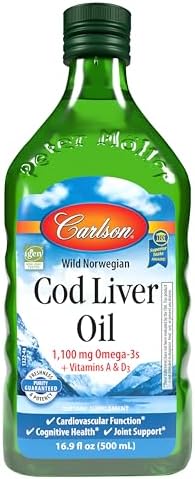

(As an Amazon Associate, I earn from qualifying purchases)