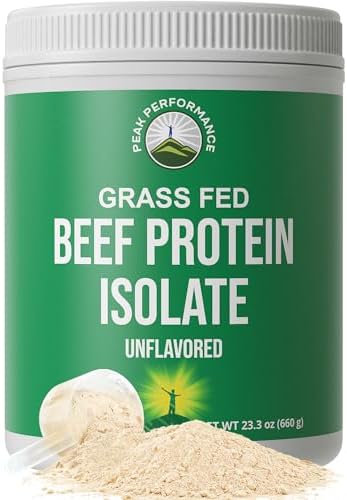
- Sugar-Free, European Bred, Gluten Free, Dairy Free, Whey Free, Soy Free, Grass Fed – sourced from grass-fed cattle on et…
(As an Amazon Associate, I earn from qualifying purchases)
Introduction to Beef Protein Powder
Beef protein powder is a dietary supplement derived from beef, rich in protein and essential nutrients that support muscle growth and recovery. This supplement is created through a meticulous process that involves boiling beef bones and connective tissues to extract collagen, which is then dried and powdered. The result is a remarkably bioavailable protein source packed with amino acids, making it an excellent choice for athletes, bodybuilders, and health-conscious individuals alike.
In recent years, beef protein powder has gained traction due to its appealing nutritional profile. Unlike traditional whey or soy protein powders, beef protein offers a unique alternative for those who may be lactose intolerant or prefer non-dairy options. The composition of beef protein powder not only includes a high concentration of protein but also encompasses essential vitamins and minerals, such as iron and B vitamins, which further enhance its appeal as a versatile dietary supplement.
The rise in popularity of beef protein powder among fitness enthusiasts can be attributed to its rich amino acid profile, which aids in muscle recovery and promotes growth. With an increasing number of individuals seeking alternative protein sources to diversify their dietary intake, beef protein powder presents an attractive solution. This powder is often praised for its potential to deliver similar benefits as other protein supplements while adding a unique flavor to smoothies, shakes, and baked goods.
However, it is essential to consider the multifaceted nature of beef protein powder. Understanding its nutritional value, processing methods, and any potential drawbacks is critical in making an informed decision about its incorporation into one’s diet. As the market continues to expand, delving deeper into the attributes of beef protein powder will allow consumers to recognize its place within a balanced nutrition plan.
The Origin of Beef Protein Powder
The origins of beef protein powder can be traced back to the increasing demand for high-quality protein sources in the dietary and fitness spheres. Traditionally, protein supplements were largely derived from dairy or plant-based sources. However, as the fitness industry evolved and more individuals sought alternatives, beef protein emerged as a viable option. This development coincided with advancements in food technology, which allowed for the efficient extraction and concentration of proteins from beef.
Beef protein powder is produced through a meticulous process that begins with the selection of high-quality beef. The meat undergoes various steps, including cooking, drying, and grinding, to extract the protein content. One of the primary methods utilized in this process is the hydrolysis technique, where enzymes break down the beef proteins into smaller, more digestible peptides. This not only enhances the bioavailability of the nutrients but also improves the functional properties of the final product, making it ideal for mixing with liquids or incorporating into recipes.
Over the years, the nutritional profile of beef protein has undergone substantial evolution. Initially considered lesser-known compared to whey or casein, beef protein gained recognition due to its rich amino acid profile, particularly branched-chain amino acids (BCAAs), which play a crucial role in muscle repair and growth. Furthermore, beef protein has been researched for its potential benefits in supporting overall health and wellness, thereby attracting the attention of athletes and bodybuilders alike.
As the scientific community continues to unveil the benefits of beef protein powder, its acceptance has broadened beyond niche markets. Today, it is increasingly integrated into mainstream nutrition, positioning itself as a reliable option for those seeking a protein boost, whether for athletic performance or general health. The combination of historical significance and modern advancements ensures that beef protein powder remains a noteworthy component in the dietary landscape.
How to Use Beef Protein Powder
Incorporating beef protein powder into your diet can be both simple and enjoyable. This versatile supplement can be added to various recipes to enhance protein intake without compromising taste. One common method is to use it in smoothies. By blending a scoop of beef protein powder with your favorite fruits, vegetables, and a liquid of your choice—such as almond milk or water—you can create a nutrient-rich beverage ideal for breakfast or post-workout recovery. For optimal flavor, consider adding ingredients like banana, spinach, or a tablespoon of nut butter.
Another popular way to utilize beef protein powder is in homemade protein bars. Combining oats, honey, and your choice of nuts or seeds with beef protein powder creates a delicious and energizing snack. Simply mix the ingredients and press the mixture into a pan, refrigerate until firm, and then cut into bars. These homemade versions allow for customization, ensuring the bars meet your taste preferences and dietary needs.
When considering serving sizes, it is generally recommended to consume 20 to 30 grams of beef protein powder per serving, depending on individual protein requirements and activity levels. For those engaging in rigorous physical training, consuming beef protein powder after a workout can significantly aid in muscle recovery and growth.
To achieve a smooth texture and prevent clumping, mix the beef protein powder in a shaker or blender with a bit of liquid before adding additional ingredients. Additionally, blending for a longer time duration can enhance the overall consistency of your smoothie or shake. With these tips, integrating beef protein powder into your meals becomes an effortless and satisfying way to boost your protein intake while enjoying flavorful dishes.
The Role of Beef Protein in Muscle Building
Beef protein has garnered attention in recent years as a potent source for muscle building and recovery, thanks to its rich amino acid profile. Unlike other protein sources, beef protein powder contains high levels of essential amino acids, particularly branched-chain amino acids (BCAAs) such as leucine, isoleucine, and valine, which are critical for muscle synthesis. These amino acids play an essential role in promoting muscle growth by stimulating muscle protein synthesis post-exercise.
Research indicates that beef protein is as effective, if not more so, than other protein sources, such as whey, in supporting muscle repair and development. A comparative analysis conducted in scientific studies showed that beef protein led to significant improvements in muscle strength and body composition. This can be especially beneficial for athletes and fitness enthusiasts who engage in intense training and require optimal nutrition for recovery and performance enhancement.
Additionally, the ingestion of beef protein powder after workouts stimulates the body’s anabolic processes, allowing for effective recovery. The amino acids present in the powder become readily available in the bloodstream, enabling rapid repair of muscle fibers that may have incurred micro-tears during exercise. This recovery process is crucial for reducing muscle soreness and improving overall athletic performance over time.
Furthermore, beef protein is a complete protein, meaning it contains all nine essential amino acids necessary for human nutrition. This completeness, coupled with its bioavailability, allows for efficient absorption and utilization by the body. Overall, incorporating beef protein powder into one’s diet may provide significant advantages, particularly for those focused on muscle growth, making it a valuable addition to any athlete’s or fitness enthusiast’s nutritional plan.
Advantages of Beef Protein Powder
Beef protein powder is gaining recognition as a valuable supplement among health enthusiasts and fitness aficionados due to its numerous benefits. One of the standout features of beef protein powder is its high biological value, which indicates the potency of the protein it provides. This means that the body can effectively utilize the amino acids derived from this source, maximizing muscle protein synthesis and recovery, particularly important for athletes and individuals engaged in resistance training.
Incorporating beef protein powder into one’s diet can significantly enhance the intake of essential amino acids, which are vital for various physiological functions, including muscle repair and immune system support. Unlike some plant-based protein sources, beef protein is complete, meaning it contains all nine essential amino acids necessary for human health, thus making it a beneficial addition to a balanced diet.
Additionally, beef protein powder is often favored for its role in supporting weight management. The high protein content can enhance feelings of satiety, which may reduce overall calorie intake when included in meals or snacks. This satiety potential also aids in maintaining lean muscle mass while promoting body composition excellence.
Another advantage of beef protein powder is its ease of digestion. Unlike certain dairy-based proteins, such as whey, beef protein is naturally lactose-free, making it suitable for individuals who are lactose intolerant or who choose to avoid dairy for other reasons. This digestibility further enhances its appeal for those with dietary restrictions.
In summary, beef protein powder presents a plethora of advantages, from its high biological value and essential amino acid profile to its weight management support and lactose-free properties. Its incorporation into a nutrient-dense diet can be a beneficial strategy for various health and fitness goals, making it a noteworthy protein supplement option.
Potential Downsides of Beef Protein Powder
While beef protein powder offers numerous benefits, it is essential to consider several potential downsides associated with its consumption. One significant concern is the possibility of allergies. Individuals who are sensitive to beef or have underlying food allergies may experience adverse reactions. Symptoms can range from mild gastrointestinal discomfort to more severe allergic responses, making it crucial for consumers to ascertain their tolerance before incorporating such supplements into their diets.
Another important consideration pertains to the sourcing and sustainability of beef protein powder. The meat industry faces scrutiny regarding its environmental impact, including land use, water consumption, and greenhouse gas emissions. When purchasing beef protein powder, consumers should prioritize products that are sustainably sourced. This not only helps mitigate environmental concerns but also supports ethical farming practices. Labels indicating grass-fed, hormone-free, or sustainably sourced beef can guide consumers in making informed decisions.
Additionally, beef protein powder can raise health concerns, particularly regarding cholesterol levels. Red meat is often associated with higher cholesterol content, which may not be suitable for everyone, especially those with specific health conditions or dietary restrictions. Individuals with a history of cardiovascular issues should consult with healthcare professionals before integrating beef protein powder into their regimen. Critical evaluation of personal health status and dietary needs is vital to avoid potential negative outcomes.
Lastly, moderation is key when consuming any protein supplement, including beef protein powder. Overconsumption can lead to digestive issues and other health problems. It is advisable to balance protein intake from various sources, ensuring a well-rounded and nutrient-rich diet. By considering these factors and seeking professional advice, individuals can make more informed dietary choices.
Who Should Consider Beef Protein Powder?
Beef protein powder is a versatile supplement that can cater to various demographics, making it an appealing option for those seeking to enhance their protein intake. Athletes and bodybuilders, in particular, may find beef protein powder beneficial due to its high bioavailability and rich amino acid profile. These individuals often require higher protein levels to support muscle recovery, growth, and performance enhancement. By incorporating beef protein powder into their diet, they can achieve their nutritional goals more efficiently.
Individuals with dietary restrictions, such as those who follow a gluten-free or low-carb diet, may also consider beef protein powder as a suitable protein source. Unlike traditional whey or casein protein powders, beef protein powder is free from lactose and gluten, making it a safe alternative for those who experience sensitivities or allergies to dairy products. Additionally, it provides a complete protein source, offering essential amino acids necessary for overall health and well-being.
Furthermore, people aiming to increase their protein intake for various health reasons can benefit from beef protein powder supplementation. This includes older adults who may experience muscle loss due to aging and require additional protein to support lean muscle mass. Likewise, individuals recovering from surgery or illness might need increased protein to aid in their recovery process. Beef protein powder can serve as a convenient and easily digestible source of nutrition for these populations.
It is crucial to emphasize the importance of personalized nutrition when considering any dietary supplement, including beef protein powder. Consulting with a nutritionist or healthcare professional can help individuals determine their specific protein needs and whether beef protein powder aligns with their dietary goals. This tailored approach ensures that everyone can optimize their nutritional intake according to their unique circumstances.
Comparing Beef Protein Powder with Other Protein Sources
When evaluating protein supplementation options, it is essential to compare beef protein powder with other popular protein sources such as whey, soy, and plant-based proteins. Each protein source possesses unique nutritional profiles, benefits, and drawbacks that cater to specific dietary needs and fitness goals.
Beef protein powder is derived from high-quality beef, containing a robust amino acid profile. It is rich in essential amino acids, especially those important for muscle recovery and growth. Unlike whey protein, which is a dairy product, beef protein is suitable for individuals with lactose intolerance. Additionally, it provides a significant amount of iron, minerals, and vitamins like B12, which aid in overall health.
Whey protein, on the other hand, is known for its high digestibility and rapid absorption, making it a favorite among athletes and fitness enthusiasts. It contains branched-chain amino acids (BCAAs) that are crucial for muscle recovery. However, its dairy origin can pose a problem for those sensitive to lactose and dairy-derived products.
Soy protein serves as a popular plant-based alternative. It supplies a complete amino acid profile and is often utilized by vegetarians and vegans. Although soy protein is beneficial, some studies suggest that it may not be as effective in promoting muscle protein synthesis compared to animal-based sources like beef and whey. Moreover, individuals with soy allergies need to be cautious when considering this option.
Plant-based proteins include sources such as pea, rice, and hemp protein. While these options tend to be highly digestible and suitable for various dietary needs, they often lack certain essential amino acids unless combined. This limitation can impact overall protein quality and effectiveness in muscle recovery.
When considering protein supplementation, it is crucial to weigh the benefits and limitations of each source. Beef protein powder stands out for its potent nutritional offerings, making it a solid choice for those looking to enhance their protein intake while accommodating specific dietary restrictions.
Conclusion: Is Beef Protein Powder Right for You?
In evaluating whether beef protein powder will be an appropriate addition to your dietary regimen, it is essential to consider both the benefits and potential drawbacks associated with this protein source. Throughout this guide, we have touched upon various aspects of beef protein powder, including its nutritional profile, advantages over other protein supplements, and the scenarios in which it may be beneficial.
Beef protein powder typically offers a high-quality, complete protein that can effectively support muscle growth, repair, and maintenance. It is particularly advantageous for individuals who may be sensitive to dairy or wish to diversify their protein sources beyond whey or casein. Additionally, its unique amino acid profile can benefit various fitness enthusiasts, athletes, and bodybuilders looking to enhance their performance and recovery.
However, it is critical to recognize that beef protein powder may not be suitable for everyone. Individuals with dietary restrictions, such as those following a vegetarian or vegan lifestyle, or those who are allergic to beef, should seek alternative protein sources. Furthermore, some may find the taste of beef protein powder less palatable than other protein supplements, which could affect their willingness to incorporate it into their diets.
Ultimately, making informed dietary choices is central to achieving your health goals. We encourage readers to weigh their nutritional needs, preferences, and any specific health considerations before integrating beef protein powder into their daily routine. For further reading on protein supplementation, various resources, including scientific studies and expert nutritional advice, are widely available online to help guide your decision-making process.