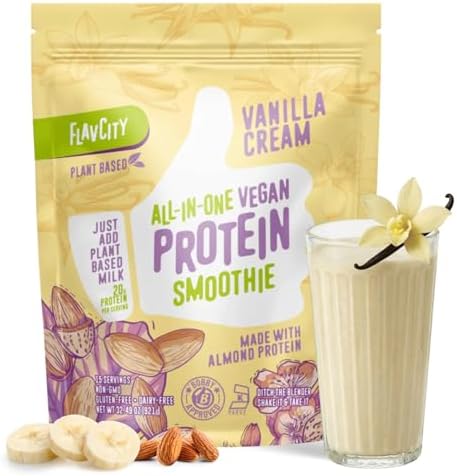
- No Blender Needed – Enjoy a smooth, delicious plant based protein shake with no prep required. Just add two scoops of th…
- 20g Plant-Powered Protein – Each serving delivers 20g of high-quality almond protein. Revered as a superior, plant prote…
- Nutrient-Dense Organic Ingredients – Made with organic bananas, coconut, and functional mushrooms like Reishi and Cordyc…
(As an Amazon Associate, I earn from qualifying purchases)
Introduction to Vegan Protein Powder
Vegan protein powder is a dietary supplement derived from plant-based sources, designed to provide an alternative source of protein for individuals adhering to a vegan lifestyle or those seeking to reduce their intake of animal products. These protein powders are made from a variety of ingredients, including peas, rice, hemp, soy, and various seeds, each offering a unique nutritional profile and amino acid composition.
As the trend toward healthier eating habits and sustainable living continues to rise, vegan protein powder has gained popularity among health-conscious individuals and fitness enthusiasts alike. Protein is a fundamental macronutrient essential for muscle repair, immune function, and overall health. It plays a crucial role in building and repairing tissues, making it especially vital for those engaged in regular physical activity.
The increasing awareness of health issues associated with animal products, coupled with the environmental advantages of plant-based diets, has led many people to reconsider their protein sources. Vegan protein powders present an accessible means of ensuring adequate protein intake without relying on dairy or meat-based products. Moreover, these powders are often rich in essential nutrients, including vitamins, minerals, and fiber, contributing to a well-rounded diet.
This guide aims to delve deeper into the usage, benefits, and potential considerations of vegan protein powder, exploring how it can be effectively integrated into various dietary regimens. By understanding its unique characteristics and advantages, individuals can make informed choices about incorporating vegan protein into their daily nutrition. With the ever-increasing range of options available, the journey into the world of vegan protein powder is both exciting and relevant in today’s health landscape.
What is Vegan Protein Powder?
Vegan protein powder is a dietary supplement specifically formulated for individuals who prefer plant-based nutrition. Unlike traditional protein powders that often derive their protein content from animal sources such as whey or casein, vegan protein powders utilize ingredients sourced from plants, making them suitable for those adhering to vegan or vegetarian diets. Common ingredients in vegan protein powders include pea protein, brown rice protein, soy protein, and hemp protein, among others.
Pea protein is derived from yellow split peas and is celebrated for its high protein content and favorable amino acid profile. This plant protein is particularly appealing to those seeking to enhance muscle recovery and support overall health. Brown rice protein, on the other hand, is considered a complete protein when combined with other protein sources, as it provides a well-rounded amino acid profile. This makes it a versatile choice for individuals looking to incorporate plant-based protein into their meals or snacks.
Soy protein, extracted from soybeans, is another prominent ingredient that boasts numerous health benefits, including improved heart health and bone strength. It is a complete protein, providing all essential amino acids needed for various bodily functions. Hemp protein, derived from hemp seeds, not only supplies protein but also offers healthy fats, vitamins, and minerals, making it an excellent addition to a balanced diet.
These plant-derived protein powders are not only effective for individuals striving to increase their protein intake but are also advantageous for those aiming to reduce their overall consumption of animal products. By incorporating vegan protein powder into their diet, users can meet their nutritional needs while aligning with their dietary preferences and ethical considerations.
The Role of Vegan Protein Powder in Diet
Vegan protein powder serves an essential role in the dietary patterns of many individuals, particularly those who follow plant-based diets, such as vegetarians and vegans. This type of protein supplement is derived from various plant sources, including peas, rice, hemp, and soy, providing an effective means for increasing protein intake. As protein is vital for numerous bodily functions, including muscle repair, recovery, and overall health, incorporating vegan protein powder into one’s diet can be especially beneficial for those who may not consume enough protein through food sources alone.
Athletes, in particular, benefit from the inclusion of vegan protein powder in their nutritional regimen. Intense physical activity demands higher protein consumption to support muscle recovery and growth. Utilizing a vegan protein supplement allows athletes to fulfill those requirements without relying on animal products. It provides the necessary amino acids for muscle repair, helping athletes maintain their performance and enhance their recovery processes. This aspect is crucial for those engaged in strength training or rigorous physical challenges.
Additionally, vegan protein powder can be a powerful tool for individuals aiming for weight management. Protein promotes satiety, which helps curb appetite and reduce overall calorie intake. By integrating vegan protein powder into smoothies, shakes, or even baked goods, individuals can create nutritious meals that keep them feeling full longer, ultimately assisting in weight management strategies. Furthermore, vegan protein powders are generally lower in calories and fat than traditional dairy-based protein powders, aligning with the goals of those seeking a healthier lifestyle.
In conclusion, the integration of vegan protein powder into a balanced diet offers numerous advantages, from supporting muscle repair to facilitating weight management. By enhancing protein intake, it contributes to an overall healthier dietary approach for athletes and all those adhering to plant-based dietary choices.
Origins of Vegan Protein Powder
The emergence of vegan protein powder reflects a significant shift in dietary trends and consumer preferences over the past few decades. Traditionally, protein supplements were predominantly animal-based, including whey and casein derived from dairy products. However, the growing awareness about health, environmental sustainability, and animal welfare has led to an increased demand for plant-based protein options. As awareness of veganism and plant-based diets has risen, so has the variety and availability of vegan protein powders on the market.
The history of vegan protein powder can be traced back to specialized health food products in the 20th century. Initially, these products catered to health-conscious individuals and fitness enthusiasts seeking alternatives to animal protein sources. Early iterations of vegan protein powder typically utilized soy protein or brown rice protein, both of which have been staples in plant-based diets for years. Over time, these products evolved to include an array of sources such as pea, hemp, and pumpkin seed proteins. This diversification has made it easier for consumers to find plant-based proteins that meet their dietary needs and preferences.
In recent years, the rise of veganism has significantly influenced the market. According to surveys, an increasing number of people are adopting plant-based lifestyles, driven by health benefits, ethical considerations, and the desire to reduce environmental impact. This societal shift has prompted manufacturers to innovate and expand their offerings in vegan protein powders, presenting consumers with various options tailored to their tastes and nutritional goals. Now, whether one is an athlete, a casual fitness enthusiast, or someone simply adopting a vegan lifestyle, there are abundant choices available for high-quality plant-based protein supplementation. As the demand continues to grow, the evolution of vegan protein powder is likely to advance even further, catering to an ever-expanding audience.
Benefits of Vegan Protein Powder
Vegan protein powder has gained considerable attention in recent years, primarily due to its numerous benefits for those pursuing a healthy lifestyle. One of the most notable advantages is its capacity to promote muscle growth. Unlike traditional protein sources that often come from animals, plant-based proteins offer a rich amino acid profile essential for muscle repair and development. This characteristic makes vegan protein powder an excellent option for athletes and fitness enthusiasts looking to enhance their training results.
In addition to supporting muscle development, vegan protein powder is beneficial for recovery after workouts. Consuming protein is crucial for repairing the micro-tears in muscle fibers that occur during exercise. Vegan protein powder, derived from sources such as pea, hemp, or brown rice, can aid in replenishing energy stores, helping individuals recover faster and be ready for their next workout.
Energy provision is another significant benefit. Vegan protein powders serve as a source of sustainable energy, which can be particularly advantageous for individuals engaged in regular physical activities. The balanced macronutrient composition of plant-based protein, combined with fiber and healthy fats, ensures prolonged energy availability.
Moreover, vegan protein powder can play an instrumental role in supporting weight loss goals. High protein intake has been associated with enhanced satiety, which may help individuals reduce their overall calorie consumption. By integrating vegan protein powder into one’s diet, it becomes easier to manage hunger and maintain a healthy weight.
Finally, beyond personal health benefits, choosing vegan protein powder has less environmental impact compared to conventional animal-derived protein sources. The production of plant-based proteins typically requires fewer resources and generates less greenhouse gas emissions. This makes vegan protein powder not just a choice for personal health but also an environmentally conscious decision.
Incorporating Vegan Protein Powder into Your Diet
Using vegan protein powder is an effective way to boost your protein intake, whether you are a fitness enthusiast or simply looking to enhance your nutrition. The versatility of vegan protein powders allows them to be easily included in various meals and snacks. Here are some practical methods to incorporate them into your daily routine.
One of the most popular ways to enjoy vegan protein powder is by adding it to smoothies. To create a protein-rich smoothie, combine one scoop of protein powder with your choice of plant-based milk, a banana, and a handful of spinach or other greens. This not only provides an excellent source of protein but also includes essential vitamins and minerals. You may also add fruits like berries or mangoes and a tablespoon of nut butter for extra flavor and nutrients.
Vegan protein powder can also be used in baking. Incorporating it into recipes for pancakes, muffins, or cookies is an excellent way to ensure that your meals are both delicious and nutritious. For instance, try substituting a portion of the flour in your pancake recipe with vegan protein powder to create a protein-packed breakfast option. Always adjust the liquid content slightly to maintain the right consistency, as protein powders may absorb moisture differently.
In addition to meals, vegan protein powder can enhance snacks. Mix a scoop of protein powder into yogurt or oatmeal for a quick, nutrient-dense snack. Alternatively, blend it into energy balls made from oats, nut butter, and honey or agave syrup for a convenient on-the-go treat. Measuring the protein powder accurately is essential; typically, one scoop is around 20-25 grams. Aim for a balanced intake throughout the day to achieve optimal results in your protein consumption while maintaining variety in your diet.
Potential Downsides of Vegan Protein Powder
While vegan protein powders offer various health benefits, it is crucial to be aware of potential downsides associated with their consumption. One of the primary concerns involves nutrient absorption. Plant-based proteins often lack certain essential amino acids compared to their animal-derived counterparts. This can lead to incomplete protein profiles if not combined with a diverse diet. Therefore, individuals relying solely on vegan protein supplements may risk not achieving optimal amino acid intake, which is vital for overall health.
Allergic reactions present another consideration. Some vegan protein powders are derived from common allergens, including soy, nuts, or gluten. It’s imperative for individuals with known allergies to read ingredient labels carefully to avoid adverse reactions. Even in the absence of allergies, individuals may experience gastrointestinal discomfort from certain plant-based proteins, such as those containing legumes, due to their high fiber content. This can lead to bloating or digestive issues in some people.
Moreover, the quality of vegan protein powder varies significantly among brands. Choosing low-quality products may expose consumers to unnecessary additives, fillers, or sweeteners, which can negate the health benefits associated with protein supplementation. Thus, it is essential to select high-quality vegan protein powders that adhere to strict manufacturing standards and contain minimal processing.
Finally, there is a risk of over-reliance on protein supplements. While vegan protein powders can aid in meeting daily protein requirements, they should not replace whole food sources. A balanced diet rich in fruits, vegetables, grains, and legumes remains paramount for obtaining a comprehensive array of nutrients. Incorporating a variety of protein sources ensures adequate nutrient absorption and supports sustainable health.
Choosing the Right Vegan Protein Powder
When navigating the world of vegan protein powder, there are several critical factors to consider in order to make an informed decision that aligns with individual dietary needs and preferences. One of the primary aspects to evaluate is the protein content per serving. Different brands vary significantly in the amount of protein they offer, typically ranging from 15 to 30 grams. Assessing your protein requirement based on your activity level and dietary goals will help you choose a product that meets your specific needs.
Another important consideration is ingredient sourcing. High-quality vegan protein powders often utilize whole food sources such as peas, rice, hemp, or pumpkin seeds. It is advisable to read product labels carefully, seeking those that prioritize organic and non-GMO ingredients. This not only affects the nutritional profile but also the ethical implications of sourcing. Consumers should also be mindful of possible allergens or additives that may be present in the powder.
Flavor options can greatly influence the overall enjoyment and versatility of vegan protein powder in daily use. Many brands offer a variety of flavors, including chocolate, vanilla, and natural unflavored options, catering to diverse palates. For those who prefer a specific taste, such as adding it to smoothies or baking, selecting a flavor that enhances these uses without overpowering them is essential.
Brand credibility and commitment to quality are also worth considering. Researching brands, reading customer reviews, and looking for third-party testing can provide insight into a product’s reliability. Transparency in their ingredient sourcing and production processes should be a significant factor in your decision-making. By assessing these criteria, individuals can confidently select the right vegan protein powder that not only supports their health goals but aligns with their ethical values and taste preferences.
Conclusion: Is Vegan Protein Powder Right for You?
The exploration of vegan protein powder reveals a myriad of benefits that can cater to various dietary needs and fitness goals. As highlighted throughout this guide, vegan protein powder offers a plant-based alternative to traditional protein supplements, providing essential amino acids necessary for muscle repair and growth. It serves as an excellent choice not only for vegans but also for those looking to diversify their protein sources and limit animal product intake. The range of options available, including pea, rice, and hemp protein, allows individuals to find a product that aligns with their tastes and nutritional requirements.
It is important to consider your personal dietary preferences and lifestyle when deciding if vegan protein powder is suitable for you. Assessing factors such as daily protein intake, activity level, and health objectives can help you determine if incorporating this supplement fits seamlessly into your routine. Furthermore, the potential digestive benefits associated with plant-based proteins, along with their richness in vitamins, minerals, and antioxidants, further underscores the holistic approach that vegan protein powder can offer.
However, with any supplement, it is paramount to be mindful of how you integrate it into your diet. While vegan protein powder can be beneficial, relying solely on it without addressing overall dietary composition may not yield the desired results. Therefore, it is advisable to complement its use with whole food sources of protein and maintain a balanced diet to achieve optimal health and wellness outcomes.
Ultimately, the decision to utilize vegan protein powder should be based on careful consideration of your individual needs and goals, as well as a thoughtful evaluation of how it can enhance your nutritional regimen. Taking the time to reflect on these aspects can ensure a well-informed choice tailored to your lifestyle.