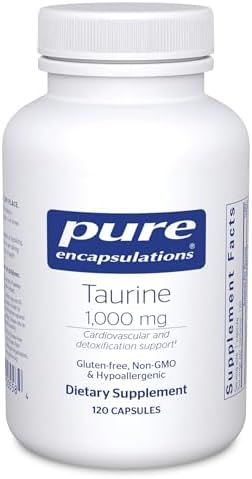
- Heart & Brain Muscle Support: Taurine, an essential amino acids supplement, aids detoxification and supports heart healt…
- Nervous System & Vision Nourishment: Essential for maintaining the abundant free amino acid levels in the nervous system…
- Immune Health: Taurine supplement facilitates the body’s natural detoxification mechanisms, immune health, and hepatic l…
(As an Amazon Associate, I earn from qualifying purchases)
Introduction to Taurine
Taurine is a sulfur-containing amino acid that plays several vital roles in the human body. Unlike other amino acids, taurine is classified as a conditionally essential amino acid, meaning that while the body can synthesize it, certain circumstances may necessitate additional intake through diet or supplementation. Its chemical structure consists of a sulfonic acid group and is distinct from typical amino acids, which contain a carboxyl group.
This unique structure contributes to taurine’s various biological functions, including bile salt formation, osmoregulation, and neurotransmission. Taurine’s significance extends beyond these functions; it is involved in antioxidant defense, which helps mitigate oxidative stress, and supports cardiovascular health by regulating blood pressure and cholesterol levels. Additionally, taurine is found in significant concentrations within the brain, heart, and skeletal muscles, suggesting its critical role in multiple physiological processes.
This introductory overview of taurine sets the stage for a broader discussion regarding its various roles and potential benefits, as well as its contribution to overall health and well-being. Understanding taurine is essential for recognizing its impact on our bodily functions and the significance of maintaining adequate levels through diet or supplementation when necessary.
The Role of Taurine in the Body
Taurine, a sulfur-containing amino acid, serves several critical physiological functions that are essential for maintaining overall health. One of the primary roles of taurine is in bile salt formation, which is crucial for the digestion and absorption of fats and fat-soluble vitamins in the intestine. Bile salts are synthesized from cholesterol, and taurine enhances their solubility, promoting effective fat emulsification and aiding in the digestive process.
In addition to its role in digestion, taurine has significant implications for cardiovascular health. Research indicates that this amino acid may help to regulate blood pressure and improve cardiac function. By supporting the development of heart muscle and enhancing the contractility of the heart, taurine contributes to improved circulation and may reduce the risk of cardiovascular diseases. Furthermore, studies have suggested that taurine can help mitigate oxidative stress, which is known to damage blood vessels and contribute to heart disease.
Taurine is also integral to the central nervous system. It acts as a neuroprotective agent, helping to stabilize cell membranes and modulate neuronal excitability. This amino acid plays a key role in neurotransmission, facilitating communication between nerve cells. Additionally, taurine has been associated with the reduction of neuroinflammation, further highlighting its importance in neurological health.
Another significant function of taurine is its role as an antioxidant. By scavenging free radicals, taurine helps to protect cells from oxidative damage, thereby contributing to overall cellular health. This antioxidative capacity enhances taurine’s effectiveness in contributing to cellular osmolarity, which is essential for maintaining the balance of fluids in the body. Overall, taurine is indispensable in ensuring various physiological processes are executed efficiently.
Origin and Sources of Taurine
Taurine, a sulfonic acid, was first identified in 1827 by the German chemist Friedrich Tiedemann and his colleague Johann Gottlieb Gmelin. They discovered it in ox bile, which is where its name is derived from the Latin word “taurus,” meaning bull. This pivotal moment marked the beginning of taurine’s recognition in biochemistry. Subsequently, researchers unraveled its chemical structure, revealing its pivotal role in various physiological functions.
Taurine is naturally present in numerous dietary sources, predominantly found in animal-based products. Meat, particularly red meat and poultry, is one of the richest sources, providing substantial amounts of taurine. Seafood, notably fish and shellfish, also contributes significantly to dietary taurine intake. Dairy products, such as milk and cheese, further enhance taurine consumption. For individuals adhering to a vegetarian or vegan lifestyle, taurine may be less prevalent, leading some to consider supplementation or alternative sources.
In contemporary culture, taurine has gained notoriety as a common ingredient in energy drinks, where it is often associated with a boost in energy and performance. The concentrations in these beverages can vary but are typically accompanied by other stimulants such as caffeine. While energy drinks have popularized taurine, it is important to consider that these beverages can also contain high levels of sugar and additives that may not be beneficial for overall health.
The human body is capable of synthesizing taurine from the amino acids cysteine and methionine under certain conditions. This endogenous production ensures that, in a balanced diet and healthy physiological state, most individuals can maintain adequate taurine levels. However, specific populations, such as infants or those with certain metabolic disorders, may require additional dietary sources or supplementation to meet their taurine needs effectively.
Health Benefits of Taurine
Taurine is a sulfur-containing amino acid predominantly found in animal tissues. It plays several crucial roles in maintaining health and well-being. One of the most researched benefits of taurine is its potential impact on heart health. Evidence suggests that taurine may help improve cardiovascular function by regulating blood pressure and decreasing cholesterol levels. Studies indicate that adequate levels of taurine can lead to a reduction in the incidence of heart disease, as it promotes better endothelial function and mitigates oxidative stress.
In addition to its effects on heart health, taurine has garnered attention for its role in enhancing exercise performance. It is believed to help reduce muscle fatigue during strenuous activities, which can lead to improved exercise endurance. Athletes and physically active individuals may benefit from taurine supplementation, as it can contribute to better hydration and electrolyte balance during intensive workouts. Furthermore, research indicates that taurine might aid in post-exercise recovery, helping individuals bounce back more quickly after intense physical exertion.
Moreover, taurine’s influence extends to mental health. Some studies suggest that taurine has neuroprotective properties that may assist in alleviating symptoms of anxiety and depression. This amino acid is thought to contribute to cognitive function and may help stabilize mood by modulating neurotransmitter activity within the brain. Its significance becomes particularly evident for certain populations, such as infants, who require adequate taurine for optimal brain development and general growth. In addition to infants, individuals with specific health conditions, such as diabetes or chronic kidney disease, might also benefit from taurine supplementation to support their overall health.
Taurine and Athletic Performance
Taurine, a naturally occurring amino acid, has garnered attention for its potential to enhance athletic performance. Research indicates that taurine may play a vital role in improving endurance levels, contributing to enhanced physical capacity during prolonged exercise. Studies have shown that supplementation with taurine can increase time to exhaustion in high-intensity workouts, making it a sought-after component in sports nutrition.
One of taurine’s mechanisms is believed to revolve around its ability to help reduce fatigue. By modulating calcium signaling in muscle cells, taurine may help maintain optimal muscle function, which could delay the onset of fatigue. This aspect is particularly beneficial during endurance events, where prolonged exertion often leads to reduced performance. Moreover, taurine has been found to exert protective effects on muscle damage induced by strenuous activities, facilitating quicker recovery times for athletes post-exercise.
The significance of hydration in athletic performance cannot be overstated, and taurine may also play a role in maintaining fluid balance in the body. Some studies suggest that taurine supplementation can enhance the body’s ability to manage hydration during exercise, potentially improving physical performance in hot and humid conditions. This property may particularly appeal to athletes participating in endurance sports, where hydration is a critical factor for success.
Anecdotal evidence from athletes further supports the utility of taurine in their training regimens. Many athletes report that incorporating taurine into their supplement routine helps enhance their performance and expedite recovery after training sessions. Moreover, due to its popularity, taurine has become a common ingredient in various sports supplements, marketed for its purported benefits on performance and recovery.
Overall, the relationship between taurine and athletic performance holds promise, with ongoing research poised to uncover more about its benefits and possible applications in sports science.
Potential Downsides and Risks of Taurine
Taurine, a sulfur-containing amino acid, has been the subject of various studies regarding its health benefits; however, it is essential to acknowledge the potential downsides and risks associated with its consumption. One notable concern is the lack of extensive long-term studies on taurine supplementation. While short-term research indicates various advantages, including improved cardiovascular health and enhanced exercise performance, the effects of prolonged taurine intake remain inconclusive. This raises questions about its safety over extended periods, particularly when consumed in high doses.
Another significant risk involves potential interactions between taurine and medications. Taurine has been known to influence various bodily functions, including neurotransmission and heart rate. As a result, individuals taking certain medications, especially those affecting blood pressure or neurological conditions, may experience altered effects. Consulting with a healthcare provider before beginning taurine supplementation is advised to prevent any adverse interactions and ensure its suitability for individual health situations.
Moreover, there are specific populations for whom taurine might not be recommended. Individuals with particular health conditions, such as those suffering from kidney disease, should exercise caution when considering taurine supplementation due to impaired excretion capabilities. The safety profile of taurine in pregnant or breastfeeding women is also not well established. Therefore, these groups should seek professional guidance before incorporating taurine into their nutrition regimen.
In light of these considerations, while taurine offers numerous benefits, it is vital to approach supplementation judiciously, understanding the possible risks and the importance of consulting healthcare professionals to ensure informed decisions regarding taurine intake. Such precautions will help maximize benefits while minimizing any adverse effects.
Recommended Dosage and Supplementation
Taurine, a naturally occurring amino acid, is often regarded for its role in various physiological processes. When considering taurine supplementation, establishing an appropriate dosage is paramount. For general health maintenance, a standard dosage ranges from 500 mg to 2,000 mg per day. This level appears adequate to support various bodily functions, including cardiovascular health, brain function, and overall well-being. Individuals engaging in regular physical activity may require higher doses, typically ranging from 2,000 mg to 3,000 mg daily, to enhance exercise performance and recovery.
It is essential to recognize that supplementation needs can vary based on individual circumstances. For example, athletes or individuals with specific health conditions may find greater benefit from higher taurine intake. In these cases, consulting a healthcare professional is advisable to determine the appropriate dosage tailored to one’s needs. Additionally, some studies suggest that doses of up to 6,000 mg per day can be safe, though it is best to personalize supplementation under professional guidance.
While taurine supplements are widely available, individuals can obtain sufficient levels of taurine through dietary sources as well. Foods rich in taurine include meat, fish, and dairy products, making it relatively straightforward for those with a balanced diet to meet their taurine needs. It is worth noting that vegetarians and vegans may have lower levels of taurine due to dietary restrictions, which could prompt consideration of supplementation in such populations. However, before deciding on supplementation, it is crucial to assess dietary intake and potential deficiencies. Ultimately, establishing the right approach to taurine intake involves a careful evaluation of diet, lifestyle, and physical condition.
FAQs About Taurine
Taurine is an amino sulfonic acid that plays vital roles in various physiological processes. Several common questions arise regarding its supplementation, safety profile, and effects on the body. One of the primary concerns for individuals considering taurine supplementation is its safety. Research indicates that taurine is generally safe when consumed within recommended dosages. Most studies support the idea that moderate taurine supplementation does not lead to adverse side effects. However, as with any supplement, it is advisable to consult with a healthcare professional before commencing any new regimen, particularly for those with pre-existing medical conditions or those taking other medications.
Another frequently asked question is regarding the effects of taurine on physical performance. Studies suggest that taurine may enhance exercise performance and recovery due to its role in muscle function and energy metabolism. Some athletes use taurine supplements to potentially improve endurance and reduce muscle fatigue during workouts. It is important to note that while beneficial for many, individual responses may vary, and not everyone may perceive the same level of benefit from taurine supplementation.
Myths also surround taurine, particularly its association with energy drinks. Some individuals believe that taurine is a stimulant similar to caffeine. However, this is a misconception. Taurine does not exert an energizing effect in the same manner as caffeine; rather, its role is more about supporting cellular function and regulating hydration and electrolyte balance. Understanding these differences can help readers make informed decisions regarding taurine use. In considering the facts, readers should focus on research-backed information rather than myths to guide their approach to taurine supplementation.
Conclusion: Making Informed Choices About Taurine
Throughout this blog post, we have explored taurine, a naturally occurring amino acid that has garnered attention for its various uses and potential health benefits. This compound plays a crucial role in several physiological processes, including bile acid formation, cardiac function, and the regulation of minerals within cells. Given its abundance in certain foods, particularly in meat and fish, many individuals may already consume sufficient levels of taurine through their diet.
Moreover, taurine supplementation has been associated with several benefits, including improved exercise performance, enhanced cognitive function, and even potential protective effects against certain diseases. However, it is essential to recognize that while taurine can offer advantages, there may also be potential downsides to consider. Excessive intake of taurine, particularly through supplements, could lead to adverse health effects or interact with certain medications, illustrating the importance of moderation and adherence to recommended dosages.
As with any nutritional supplement, it is vital for individuals to be informed about their specific health conditions, dietary needs, and potential interactions when considering taurine supplementation. Consulting with healthcare professionals before starting any new supplement regimen is always advisable. By understanding the benefits and potential risks associated with taurine, individuals can make educated decisions that align with their health goals.
In conclusion, taurine is a compound that provides various health benefits while also requiring cautious use. A well-balanced diet that meets individual needs may render supplementation unnecessary for some. By promoting awareness and understanding of taurine, individuals can navigate their health choices more effectively, ensuring they receive the most appropriate and beneficial support for their well-being.