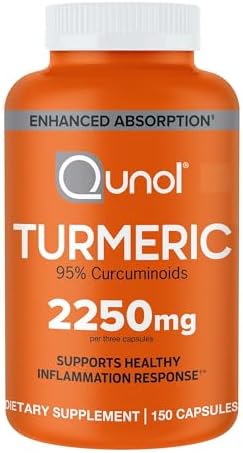
- ENHANCED ABSORPTION FORMULA: Each serving of Qunol Turmeric capsules’ formulation contains 2250mg of curcumin with 95% c…
- BLACK PEPPER EXTRACT: Qunol Turmeric 2250mg capsules contain black pepper extract that enhances absorption and increases…
- QUNOL 2250 packs 750mg of Turmeric with 95% curcumoids into each vegetarian capsule manufactured in the USA in cGMP comp…
(As an Amazon Associate, I earn from qualifying purchases)
Introduction to Turmeric
Turmeric, a dim yellow spice derived from the rhizome of the Curcuma longa plant, has captivated cultures around the globe with its vibrant hue and extensive culinary applications. Originating in Southeast Asia, particularly India, turmeric has been an integral part of traditional cuisine and herbal medicine for thousands of years. Its warm, earthy flavor adds depth to various dishes, making it a staple in Indian curries, Middle Eastern stews, and even modern-day smoothies.
Beyond its culinary appeal, turmeric is steeped in historical significance. In many cultures, it has been revered not only for its flavor but also for its medicinal properties. Ancient Ayurvedic texts highlight turmeric’s role in promoting overall health and well-being, often describing it as a powerful herb that combats inflammation and supports digestive health. Similarly, traditional Chinese medicine has employed turmeric for its healing capabilities, underlining its importance in diverse medicinal practices.
This enduring spice continues to inspire chefs, health enthusiasts, and researchers alike, as its multifaceted nature bridges culinary delight and nutritional value. The allure of turmeric is undeniable, and as we delve deeper into its uses and significance, it becomes clear that this golden spice is more than just a kitchen staple; it is a symbol of holistic health and a testament to the rich cultural tapestry woven around it.
Origin and Historical Significance
Turmeric, scientifically known as Curcuma longa, is native to the tropical regions of Southeast Asia, particularly India. This vibrant yellow spice has been employed for thousands of years, not only as a culinary ingredient but also as an essential component of traditional medicine systems, particularly Ayurveda. The historical significance of turmeric can be traced back over 4,000 years, where it has been cherished for its health benefits and unique flavor profile.
In the realm of Ayurveda, turmeric is celebrated for its anti-inflammatory, antioxidant, and medicinal properties. Practitioners have utilized it to address a variety of health concerns, ranging from skin conditions to digestive issues. Additionally, turmeric holds a prominent place in spiritual practices and rituals. It is commonly used in ceremonies, symbolizing purification and auspiciousness. The traditional Indian wedding ceremony often features turmeric paste, known as “ubtan,” applied to the bride and groom, representing prosperity and health.
The spice’s journey across the globe is fascinating. As trade routes expanded, turmeric made its way to the Middle East and later to Europe, where it was adopted into various cuisines. In cooking, it enhances not only the color but also the flavor of dishes, leading to its integration into a myriad of regional recipes. Turmeric’s aroma and taste have become essential in curries, rice dishes, and soups, particularly in Indian and Southeast Asian cooking.
Today, the global presence of turmeric is undeniable, as it is widely available and utilized beyond its culinary roots. Beyond its role in food, turmeric is featured in beauty products and wellness supplements. The cultural significance of turmeric, embedded deeply in various traditions, continues to shape its Identity and usage worldwide. The growing interest in natural remedies has also revitalized its popularity, ensuring that this ancient spice retains its importance in modern society.
Nutritional Profile and Active Compounds
Turmeric, often praised for its vibrant yellow hue and distinct flavor, is more than just a culinary spice; it is a nutrient-rich superfood that offers a plethora of health benefits. The nutritional profile of turmeric is impressive, containing vitamins such as vitamin C, vitamin E, and several B vitamins. Additionally, it is a source of essential minerals, including iron, potassium, magnesium, and calcium. These vitamins and minerals contribute to the overall well-being and vitality of individuals incorporating turmeric into their diet.
A key component that elevates turmeric to superfood status is curcumin, a potent active compound. Curcumin is responsible for the spice’s characteristic yellow color and boasts a multitude of health-promoting properties. It is known for its strong antioxidant and anti-inflammatory effects, making it a valuable addition to any health-conscious diet. Research has shown that curcumin can combat oxidative stress in the body, effectively neutralizing harmful free radicals that contribute to chronic diseases.
Furthermore, curcumin has been linked to improved brain function and a lower risk of neurodegenerative diseases. Several studies suggest that it may help protect against conditions such as Alzheimer’s disease by enhancing memory and cognitive function. Moreover, curcumin’s anti-inflammatory properties lend themselves to alleviating symptoms associated with arthritis and other inflammatory disorders, promoting overall joint health.
The bioavailability of curcumin, however, is relatively low, which means that it is not easily absorbed by the body. To enhance its absorption, it is advisable to consume turmeric with black pepper, as piperine, the active compound in black pepper, can increase curcumin’s bioavailability significantly. This combination not only enriches dishes but also maximizes the health benefits of turmeric, making it an essential addition to a balanced diet.
Health Benefits of Turmeric
Turmeric, often referred to as the “golden spice,” has garnered significant attention in the health community due to its myriad health benefits. One of its key constituents, curcumin, has robust anti-inflammatory properties. Chronic inflammation is known to contribute to various health issues, including heart disease and diabetes. Studies have demonstrated that curcumin can inhibit molecules that play a significant role in inflammation, making turmeric a valuable addition to a diet aimed at reducing inflammatory conditions.
In addition to its anti-inflammatory effects, turmeric is also a potent antioxidant. Antioxidants are essential in combating oxidative stress, which can lead to cellular damage and contribute to aging as well as numerous diseases. Research indicates that curcumin effectively neutralizes free radicals and enhances the activity of the body’s own antioxidant enzymes. This dual action underscores turmeric’s role in protecting the body from damage caused by harmful oxidative processes.
Furthermore, turmeric has shown potential in cancer research. Some studies suggest that curcumin may play a role in the prevention and treatment of various types of cancer by affecting cancer cell growth, development, and spread. Its ability to suppress the proliferation of cancer cells while promoting apoptosis highlights turmeric’s significance in the field of oncology.
Another area where turmeric shows promise is in brain health. Curcumin is known to increase levels of brain-derived neurotrophic factor (BDNF), a protein linked to improved cognitive function and a reduced risk of neurodegenerative diseases such as Alzheimer’s. Additionally, turmeric may aid in digestion by promoting the production of bile, which is crucial for the digestion of fats. Its natural anti-inflammatory properties can also help alleviate symptoms of gastrointestinal discomfort.
In conclusion, turmeric offers a wealth of health benefits that are supported by scientific research. Its incorporation into a balanced diet can contribute to overall wellness and protection against several health concerns.
Culinary Uses of Turmeric
Turmeric, often referred to as the “golden spice,” has become a staple in kitchens worldwide due to its vibrant color, unique flavor, and numerous health benefits. Traditionally used in South Asian cuisine, this spice is now finding its way into a variety of modern dishes and beverages, showcasing its versatility in the culinary world.
In traditional Indian cooking, turmeric is a key ingredient in curries, lentil dishes, and rice preparations. Its warm, earthy flavor adds depth to the meals and is complemented by ingredients like ginger, garlic, and various spices, creating a rich and aromatic profile. Modern chefs have embraced turmeric beyond traditional recipes, incorporating it into global cuisines. For example, turmeric can lend its golden hue and nutritional benefits to soups, stews, and sauces, corresponding well with both meat and vegetarian dishes.
In addition to savory applications, turmeric is making its mark in beverages as well. Golden milk, a popular drink made with milk (or a non-dairy alternative), turmeric, pepper, and sweeteners, has gained attention for its comforting properties. Smoothies are another trendy way to infuse turmeric into daily routines, combining it with fruits, greens, and yogurt for a nutritious boost. It can also be sprinkled into teas or used in creative cocktails, producing an unexpected flavor twist.
To effectively incorporate turmeric into meals, one need not hesitate to experiment with various combinations. A pinch of turmeric can enhance roasted vegetables or grain dishes, while smoothies and oatmeal can benefit from its earthy undertone. Its vibrant color also serves as an appealing visual element in food presentation. With its multifaceted uses, turmeric is not just a spice but an essential addition that can elevate both flavor and nutrition in daily cooking.
Turmeric as a Supplement
Turmeric has gained significant traction as a popular dietary supplement due to its active compound, curcumin. This vibrant spice is available in various forms, including capsules, tablets, powders, and liquid extracts. Each form has its unique benefits and potential applications in dietary routines. Capsules and tablets are particularly favored for their convenience and precise dosing, making them an excellent option for individuals seeking consistent intake without the need for cooking or preparation.
When it comes to recommended dosages, studies suggest that a daily intake of 500 to 2,000 mg of turmeric extract can yield potential health benefits. It is essential, however, to consider the bioavailability of curcumin, which is relatively low. Thus, many supplement manufacturers enhance formulations with ingredients such as black pepper extract (piperine) or fats, which can improve absorption and maximize the efficacy of turmeric supplements. Always refer to product labels for specific dosage guidelines, as concentrations may vary between brands and formulations.
Potential synergies with other ingredients also contribute to the effectiveness of turmeric supplements. For instance, combining turmeric with ginger may enhance anti-inflammatory effects, while pairing it with omega-3 fatty acids can support overall cardiovascular health. However, it is important to approach supplementation with caution. Consulting a healthcare provider before adding turmeric to your regimen is crucial, especially for individuals with pre-existing conditions or those taking medications. Healthcare professionals can offer personalized advice based on individual health profiles, ensuring that the introduction of turmeric as a supplement aligns with overall wellness goals.
Potential Downsides of Turmeric
While turmeric is widely celebrated for its numerous health benefits, it is important to consider the potential downsides associated with its consumption. One of the most common concerns is the occurrence of digestive issues. Some individuals may experience gastrointestinal discomfort, including stomach upset, gas, or nausea, particularly when turmeric is consumed in large quantities. Therefore, moderation is crucial when incorporating this spice into one’s diet.
In addition to digestive side effects, turmeric can also interact with certain medications, which may complicate treatment plans. For instance, turmeric may enhance the effects of anticoagulant medications, increasing the risk of bleeding. Furthermore, it may interfere with drugs metabolized by the liver, leading to unintended side effects. Individuals taking medications such as blood thinners, diabetes medications, or drugs that affect liver function should consider consulting a healthcare provider before adding turmeric supplements to their regimen.
Another consideration is the quality of turmeric products on the market. Not all turmeric supplements are created equal, and some may contain additives or lower amounts of curcumin, the active compound responsible for many of turmeric’s benefits. Thus, it is essential to choose high-quality products from reputable brands, ensuring that one is receiving the expected health benefits without unnecessary risks.
Lastly, individuals with specific health conditions, such as gallbladder disease, should exercise caution. Turmeric can stimulate bile production, which may exacerbate symptoms in those with gallbladder problems. It is advisable for such individuals to seek medical advice before incorporating turmeric into their diets.
Awareness of these potential downsides will enable consumers to enjoy turmeric’s benefits safely and effectively while mitigating any adverse effects.
How to Choose Quality Turmeric
When selecting high-quality turmeric, whether in its spice form or as a dietary supplement, several factors must be considered to ensure purity and efficacy. One of the foremost attributes to examine is the source of the turmeric. Turmeric is widely cultivated, with regions like India being renowned for producing superior quality roots. Opting for turmeric sourced from reputable regions can significantly impact the quality of the product. Always look for brands that provide information about the origin of their turmeric to ensure you are purchasing a product with a verified source.
Another critical aspect to assess is the purity of the turmeric. High-quality turmeric should ideally contain a high concentration of curcumin, the active compound responsible for many of its health benefits. When purchasing turmeric powder, it is advisable to choose products that contain at least 3% curcumin content. When it comes to turmeric supplements, scrutinize the label for curcumin concentration and check if the supplement includes black pepper extract (piperine), which enhances curcumin absorption in the body.
Labeling also plays a vital role in selecting quality turmeric. Consumers should be vigilant in examining ingredient lists, ensuring there are no additives, fillers, or artificial ingredients. Organic certifications can also be a reliable indicator of quality, as they often suggest that the product was cultivated without harmful pesticides or chemicals. Moreover, looking for third-party testing or certifications from organizations that verify quality can further ensure that the turmeric you are purchasing has been rigorously evaluated for contaminants and adulterants.
Finally, customer reviews and recommendations can provide insight into the product’s quality and effectiveness. By considering these factors, consumers can make informed choices when choosing turmeric, ensuring they select high-quality turmeric products that deliver the desired health benefits.
Conclusion
Throughout this exploration of turmeric, we have highlighted its remarkable properties and the myriad benefits it brings to health. This golden spice, renowned for its active compound curcumin, serves not only as a flavor enhancer but also plays a significant role in traditional medicine across various cultures. Turmeric is celebrated for its anti-inflammatory, antioxidant, and potential anticancer effects, making it a valuable addition to a well-balanced diet.
Incorporating turmeric into daily meals can be achieved in numerous creative ways. From curries and soups to smoothies and even teas, the versatility of this spice encourages culinary experimentation. It is important, however, to consume turmeric mindfully. This includes understanding the effects of curcumin and recognizing the need for adequate amounts to experience its health benefits effectively. Pairing turmeric with black pepper can enhance curcumin absorption, which is a beneficial tip for maximizing its potential.
As we have seen, the growing body of research surrounding turmeric underscores its significance in promoting overall health. By integrating this spice into our diets, we may harness its potential to improve well-being in various aspects. Readers are encouraged to explore new recipes that incorporate turmeric, thereby reinventing traditional dishes and enhancing their nutritional content. Embracing turmeric is not merely a dietary choice; it is a holistic approach to fostering health and wellness.
In conclusion, turmeric stands out as a powerful ally in the quest for better health. By appreciating its rich history and health benefits, we can make informed decisions about its role in our diets. This journey of discovery invites us to continue learning about turmeric and its myriad applications, inspiring us to nurture our bodies and enhance our culinary experiences.