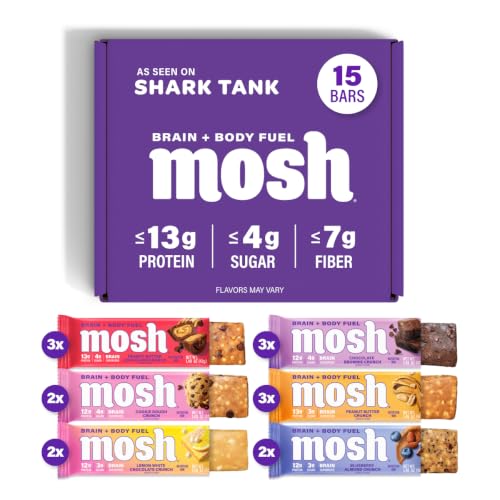
- FIND YOUR NEXT FAVORITE: 15 individually wrapped protein snack bars in a changing assortment from the MOSH whey snack li…
- PROTEIN FOR YOUR SNACK ROUTINE: Ready-to-eat protein snack bars made with milk and whey proteins, with no artificial swe…
- A CHANGING WHEY ASSORTMENT: Seasonal whey flavors show up when available, so box contents may vary. Flavors and quantiti…
(As an Amazon Associate, I earn from qualifying purchases)
Introduction to Protein Bars
In recent years, protein bars have gained significant attention as a convenient and nutritious snack, appealing to a broad audience ranging from fitness enthusiasts to busy professionals. Their rise in popularity can be attributed to the increasing awareness of nutrition and the growing need for convenient food options that support an active lifestyle. Protein bars are designed to offer a balanced, portable source of energy while providing essential protein necessary for muscle repair and growth.
These bars typically contain varying amounts of protein sourced from ingredients such as whey, casein, or plant-based proteins. Additionally, they may include carbohydrates, fats, vitamins, and minerals to create a well-rounded snack. As such, protein bars can serve multiple purposes: they can function as a post-workout recovery snack, a meal replacement, or a healthy on-the-go option for individuals with demanding schedules. Furthermore, the diverse range of flavors and formulations available ensures that there is a protein bar to suit virtually every taste and dietary preference.
This blog post aims to provide a comprehensive understanding of protein bars, exploring different types, their health benefits, and considerations to keep in mind when incorporating them into your diet. Readers will discover the nuanced differences between protein bars, including variations such as low-carb and high-fiber options, along with an examination of their role in modern nutrition. Additionally, key insights into how to select the best protein bar for individual needs will be discussed.
As we delve deeper into this subject, the objective is to equip readers with the knowledge needed to make informed choices about incorporating protein bars into their daily routine effectively.
Understanding the Usage of Protein Bars
Protein bars serve as a convenient source of high-quality protein, which is essential for muscle repair, weight management, and overall health. Their versatile nature makes them popular among various groups, including athletes, fitness enthusiasts, and busy professionals. Athletes, for instance, often consume protein bars post-workout to facilitate muscle recovery. This is particularly beneficial as protein intake shortly after exercise is crucial for maximizing muscle repair and growth. A protein bar can also provide the necessary energy boost required after an intense training session, alleviating fatigue.
For busy professionals, protein bars can fulfill the role of a quick meal replacement during hectic days. Many individuals find it challenging to set aside time for meal preparation, leading to reliance on fast food or unhealthy snacks. A well-formulated protein bar can deliver a balanced nutritional profile, ensuring individuals maintain their energy levels and avoid nutrient deficiencies. It’s recommended to choose bars that contain a balanced mix of protein, carbohydrates, and fats, along with essential vitamins and minerals.
Additionally, incorporating protein bars into daily routines can aid in weight management. For individuals aiming to lose or maintain weight, using protein bars strategically can help control hunger levels. Consuming a protein bar as a mid-morning or afternoon snack can reduce the temptation to indulge in high-calorie snack options. When selecting the ideal protein bar, one should consider factors such as protein content, sugar levels, and the presence of artificial additives to ensure they align with personal nutritional goals.
To maximize the benefits of protein bars, it is strategic to incorporate them as part of a balanced diet rather than relying on them as the sole source of nutrition. Their ease of use and portability makes them an attractive option for those with busy lifestyles seeking to enhance their protein intake throughout the day.
The Role of Protein Bars in Nutrition
Protein bars have emerged as a popular nutritional option, particularly among those seeking convenience without compromising on health. Typically constructed from a blend of proteins, carbohydrates, fats, vitamins, and minerals, these bars serve multiple dietary needs, making them versatile additions to a balanced diet. The composition of protein bars may vary; however, most include whey or plant-based proteins such as soy, pea, or rice, catering to both omnivorous and vegetarian or vegan diets.
Carbohydrates form an integral part of protein bars, offering energy needed for daily activities or intense workouts. The carbohydrate content can come from various sources, including oats, fruits, and natural sweeteners like honey or agave syrup. When selecting a protein bar, one should pay attention to the carbohydrate quality, as bars with higher fiber content can aid digestion and provide a more sustained energy release.
Fats are another crucial component, often derived from sources like nuts, seeds, or coconut oil. While it’s essential to incorporate healthy fats into our diet, moderation is key, as excessive intake can lead to undesirable calorie accumulation. Furthermore, many protein bars are fortified with essential vitamins and minerals, contributing to daily dietary requirements and making them more than just a protein source. This fortification may include B vitamins for energy production, calcium for bone health, and antioxidants to combat oxidative stress.
Overall, protein bars can seamlessly integrate into various diets, catering to athletes looking for post-workout recovery, busy professionals needing a quick meal replacement, or individuals aiming to manage their weight. As with any food product, it is crucial to read labels and choose bars that align with one’s specific nutritional goals and dietary preferences, ensuring a balanced approach to nutrition.
The Origin and Evolution of Protein Bars
The inception of protein bars can be traced back to the mid-20th century when the increasing popularity of bodybuilding and fitness culture began to surface. Pioneering bodybuilders and athletes sought convenient ways to increase protein intake to enhance muscle recovery and growth. This necessity led to the formulation of early protein supplements, which included various powder forms, but did not initially encompass the convenience of a portable bar.
During the 1980s and 1990s, the market for protein bars began to evolve significantly. Entrepreneurs within the fitness industry recognized the evolving consumer preferences for quick, nutritious snacks that aligned with an active lifestyle. This period saw the introduction of the first commercially available protein bars, which aimed to provide a convenient source of protein and calories for those engaging in strenuous physical activities. As these products gained traction, they began to transcend the niche of strength training enthusiasts, gradually appealing to a broader audience interested in health and fitness.
Consequently, brands began to innovate by diversifying their offerings, including low-sugar, high-fiber, and organic formulations. This shift not only met the expectations of health-conscious consumers but also expanded the market reach of protein bars significantly. Today, protein bars are not just regarded as performance-enhancing snacks but as an integral part of everyday diets for individuals seeking convenient, nutritious options.
Benefits of Incorporating Protein Bars into Your Diet
Protein bars have gained popularity as a convenient dietary supplement, providing numerous benefits for individuals seeking to enhance their nutrition. One of the primary advantages of protein bars is their convenience. They can be easily transported and consumed on-the-go, making them an ideal choice for busy lifestyles. Whether as a quick breakfast option, a post-workout snack, or a midday energy boost, protein bars offer a hassle-free solution for anyone looking to incorporate additional protein into their diet.
Another significant benefit of protein bars is their ability to provide quick energy. Formulated with a blend of carbohydrates and proteins, they serve as a swift source of energy, particularly beneficial for athletes and active individuals. Consuming a protein bar prior to physical activity can help improve performance, while post-exercise consumption aids in muscle recovery by facilitating the repair of damaged tissues. The balanced nutritional profile of these bars supports sustained energy levels throughout the day.
Moreover, protein bars cater to a diverse array of dietary preferences, featuring various formulations such as vegan, gluten-free, and low-sugar options. This variety allows consumers to select bars that fit their specific nutritional requirements or taste preferences. With an extensive range of flavors available—from chocolate and peanut butter to fruit and nut blends—individuals can enjoy a satisfying snack without compromising their dietary restrictions.
Incorporating protein bars into your diet can also contribute to your overall protein intake, which is particularly important for individuals aiming to build muscle or maintain weight. With their protein-dense formulations, these bars can effectively supplement traditional food sources of protein, providing an easy method for achieving daily protein goals. Overall, the integration of protein bars into one’s diet can enhance both convenience and nutritional quality.
Potential Downsides of Protein Bars
While protein bars can be a convenient source of nutrition, it is essential to recognize their potential downsides to make informed dietary choices. One notable concern is the high sugar content that many protein bars contain. Some brands use sugar as a primary ingredient to enhance flavor, which can lead to elevated caloric intake. Excessive sugar consumption is linked to various health issues, including obesity and diabetes, making it crucial for consumers to read nutrition labels carefully to assess the sugar levels in their chosen bars.
Another issue arises from the inclusion of artificial ingredients in many protein bars. These may involve additives and preservatives that can be detrimental to health, particularly when consumed regularly. Data suggests that some synthetic components could be linked to negative health outcomes over time. Therefore, opting for protein bars with minimal and natural ingredients is advisable. Understanding the ingredient list helps individuals choose products that align more closely with their health goals and dietary preferences.
Moreover, an over-reliance on protein bars can result in a neglect of whole foods in the diet. While they are often thought of as convenient meal replacements, consuming them excessively can lead to nutritional imbalances. Whole foods offer a wide range of vitamins, minerals, and other beneficial compounds that processed protein bars typically lack. Therefore, it is critical for consumers to strike a balance by incorporating whole foods and consuming protein bars in moderation. By being mindful of these considerations, individuals can enjoy protein bars as part of a diversified diet without compromising their health.
Choosing the Right Protein Bar
Selecting the appropriate protein bar can be a daunting task, given the multitude of options available on the market. An essential first step in this process involves closely examining the nutritional labels. Each bar typically displays critical information, such as protein content, calories, carbohydrates, fats, and sugars. It is important to identify a protein bar that aligns with your dietary needs, be it for weight management, muscle gain, or overall health enhancement.
Understanding the ingredient list is equally essential when choosing a protein bar. High-quality protein sources, such as whey, casein, or plant-based proteins, should be prioritized. Additionally, be cautious of artificial sweeteners, preservatives, or overly processed ingredients that can detract from the bar’s health benefits. Whole food ingredients, such as nuts, seeds, and dried fruits, are indicative of a more nutritious option. Furthermore, supplementing your protein intake with fiber-rich ingredients can significantly increase satiety and promote digestive health.
It may also be beneficial to compare different brands and their products. Not all protein bars are created equal; varying brands may use different sources of protein or have differing calorie counts. Reading reviews and gaining insights from trusted sources can provide an additional layer of information to guide your decision-making process. Brands that are transparent about their sourcing and manufacturing processes often exhibit higher quality products and accountability.
Ultimately, the best protein bar is one that fits seamlessly into your lifestyle and helps you achieve your nutritional goals. Whether you seek a post-workout refuel or a convenient snack option, identifying a high-quality protein bar that meets your specific needs will enable you to enjoy the benefits of this popular health food effectively.
Homemade vs. Store-Bought Protein Bars
When deciding between homemade and store-bought protein bars, it is essential to weigh the advantages and disadvantages of each option. One significant factor to consider is cost. Generally, homemade protein bars can be more economical, as the ingredients are often cheaper when bought in bulk. However, the initial investment in purchasing a variety of ingredients may deter some individuals. Store-bought options, while convenient, can sometimes carry a hefty price tag, particularly those marketed as premium or organic products.
Taste is another critical consideration when choosing between homemade and store-bought protein bars. Homemade bars allow for complete customization, catering to personal taste preferences. Individuals can select flavors, textures, and sweetness levels that appeal to them, potentially leading to a more satisfying snacking experience. In contrast, store-bought bars may not cater to specific tastes and might rely on artificial flavorings to enhance palatability, which some consumers prefer to avoid.
Nutritional control is a prominent advantage when making protein bars at home. Individuals can meticulously choose each ingredient, ensuring that the final product meets their dietary requirements and health goals. This level of control is often lacking in commercially produced bars, which may contain hidden sugars, preservatives, or other additives. Furthermore, homemade protein bars can be tailored to specific dietary needs, such as gluten-free, vegan, or low-carb diets, providing a clearer understanding of nutritional content.
Convenience also plays a crucial role in the decision-making process. While homemade protein bars require time and effort to prepare, they can be made in batches and stored for future use. Conversely, store-bought bars offer immediate accessibility, making them ideal for on-the-go snacking. Ultimately, the choice between homemade and store-bought protein bars depends on an individual’s priorities concerning cost, taste, nutrition, and convenience.
Conclusion: The Smart Approach to Protein Bars
In reviewing the essential role that protein bars can play in a balanced diet, it becomes evident that these convenient snacks offer a mixture of practical benefits and nutritional versatility. Whether utilized as a pre or post-workout snack, meal replacement, or a simple on-the-go option, protein bars can contribute positively to an individual’s dietary regimen. However, the importance of mindful consumption cannot be overstated. Each bar comes with its own set of ingredients and nutritional profiles, which means that not all options provide the same benefits. Understanding the content of the bars chosen, including their protein source, sugar levels, and overall caloric value, is crucial for achieving specific health outcomes.
When incorporating protein bars into one’s diet, it is essential to look beyond marketing claims and focus on personal health goals. Some individuals may seek weight loss, enhanced muscle recovery, or simply a nutritious snack to stave off hunger. The variety of protein bars available allows for tailored choices that can meet individual needs, but it also necessitates a thoughtful approach. Look for bars that contain high-quality protein, minimal added sugars, and ingredients that align with personal dietary preferences, be it vegan, gluten-free, or low-carb.
Moreover, while protein bars can be a suitable addition to a balanced lifestyle, they should not replace whole food sources of protein, such as meats, dairy, legumes, or nuts. It’s best to view protein bars as a supplement rather than a substitute for a varied diet rich in whole foods. By thoughtfully integrating protein bars into one’s dietary routine, individuals can enhance their nutrition and better align their eating habits with their health objectives. Mindful selection and consumption are key to reaping the benefits that protein bars offer while ensuring overall dietary balance and wellness.