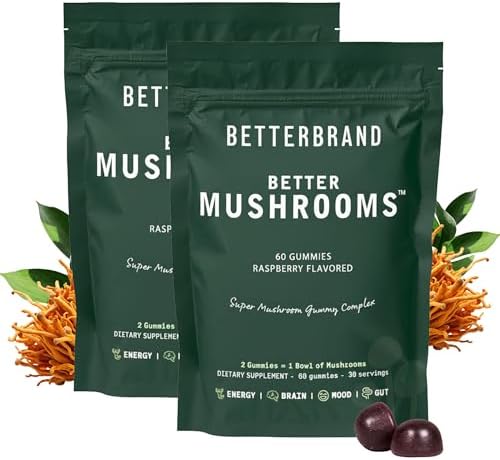
- COMPLETE SUPPORT: BetterMushrooms combines ten functional mushrooms in delicious raspberry-flavored gummies designed for…
- MENTAL CLARITY: These focus gummies feature Lion’s Mane and Cordyceps to support cognitive function and mental clarity. …
- NATURAL ENERGY: Unlike typical energy gummies, BetterMushrooms provides sustained vitality through natural ingredients. …
(As an Amazon Associate, I earn from qualifying purchases)
Introduction to Mushrooms as Nootropics
Nootropics, often referred to as “smart drugs,” are substances that have been shown to enhance cognitive function, memory, creativity, and motivation in healthy individuals. The concept of nootropics has gained considerable traction in the wellness and cognitive enhancement sectors, capturing the interest of researchers, health enthusiasts, and individuals seeking to optimize their mental performance. Among the various nootropic substances available today, mushrooms are emerging as powerful allies in this domain, offering a natural and holistic approach to cognitive enhancement.
Historically, mushrooms have been utilized in traditional medicine for their therapeutic properties; however, recent studies highlight their potential role as nootropics. Certain types of fungi, such as Lion’s Mane (Hericium erinaceus), Cordyceps, and Reishi, are particularly recognized for their cognitive benefits. Lion’s Mane, for example, is celebrated for its capacity to stimulate the synthesis of nerve growth factor (NGF), which supports the growth and maintenance of neurons. This action may aid in memory enhancement, improved focus, and even neuroprotection against cognitive decline.
The growing interest in mushrooms as nootropics is further fueled by an increasing demand for safe and effective alternatives to pharmaceuticals that often come with side effects. As people become more conscious of their health choices, the shift towards natural supplements is evident. The adaptability of mushrooms in various forms—be it extracts, powders, or whole foods—makes them accessible to a wide audience. Additionally, ongoing research continues to unveil more about the active compounds found in these fungi, providing a deeper understanding of their roles in cognitive enhancement and overall well-being.
The Role of Nootropic Mushrooms in Cognitive Health
Nootropic mushrooms have garnered increasing attention in recent years for their potential to support cognitive health. Among the various types, Lion’s Mane, Cordyceps, and Reishi stand out due to their unique properties and benefits. These mushrooms are celebrated for their ability to enhance mental clarity, improve focus, and boost overall cognitive function.
Lion’s Mane (Hericium erinaceus) has earned its reputation as a powerful cognitive enhancer. Research indicates that this mushroom promotes the synthesis of nerve growth factor (NGF), a protein essential for the growth and maintenance of neurons. By supporting NGF levels, Lion’s Mane may contribute to improved memory and cognitive performance. Additionally, studies suggest that it may alleviate symptoms of anxiety and depression, thereby fostering an environment conducive to better mental function.
Another significant player in the realm of cognitive enhancement is Cordyceps (Cordyceps militaris). While best known for its energy-boosting properties, Cordyceps also plays a vital role in cognitive health by increasing oxygen flow to the brain. This influx enhances the brain’s performance by promoting alertness and mental clarity. Furthermore, its antioxidant properties may protect brain cells from oxidative stress, contributing to long-term cognitive health.
Reishi (Ganoderma lucidum), often referred to as the “mushroom of immortality,” is revered not only for its immune-boosting properties but also for its potential effects on cognitive function. Reishi may help reduce stress and promote relaxation, factors that are essential for maintaining cognitive health. Enhanced mental well-being leads to improved concentration and focus, further amplifying Reishi’s role in facilitating cognitive performance.
In conclusion, the integration of nootropic mushrooms such as Lion’s Mane, Cordyceps, and Reishi into daily routines may support cognitive health significantly. By understanding their unique properties and interactions within the brain, individuals can harness these remarkable fungi to enhance their mental capabilities.
Origin and Historical Usage of Nootropic Mushrooms
The utilization of mushrooms for cognitive enhancement dates back centuries, intertwined with traditional medicine practices across various cultures. Historically, different regions around the world have recognized the potential of specific mushrooms, particularly those identified as nootropics, for enhancing mental faculties. Ancient texts reveal a wealth of knowledge regarding these fungi, which were often viewed as sacred due to their purported health benefits.
In traditional Chinese medicine, for instance, the reishi mushroom (Ganoderma lucidum), known as “Lingzhi,” has been revered for its ability to promote longevity and cognitive health. Historical accounts suggest that reishi was used by emperors and scholars to enhance their mental acuity and preserve memory. Similarly, the use of lion’s mane mushroom (Hericium erinaceus) has been documented in Japanese medicine, where it was employed to support neurological integrity and foster cognitive resilience.
Indigenous cultures in the Americas also utilized various mushroom species for their psychoactive properties, such as Psilocybe mushrooms, which have been shown to alter consciousness and enhance perception. These mushrooms played a critical role in spiritual ceremonies, during which users reported profound insights and increased clarity in thought processes. Such practices highlighted the belief that mushrooms could facilitate enhanced cognitive states and emotional well-being.
Furthermore, the incorporation of mushrooms into the diets of ancient civilizations like the Aztecs and the Romans also reflects their importance as food sources believed to bestow health benefits. They were not solely valued for their nutritional aspects but were thought to enhance cognitive performance. This historical trajectory underscores the enduring recognition of mushroom nootropics as valuable tools for mental enhancement, revealing a cultural legacy that continues to inspire modern scientific exploration.
Benefits of Nootropic Mushrooms
Nootropic mushrooms have garnered significant attention within the realm of cognitive enhancement, offering a variety of benefits that can contribute to improved mental function across different domains. One of the most notable advantages is their potential for enhancing memory retention. Research has indicated that certain mushrooms, such as Lion’s Mane (Hericium erinaceus), contain compounds that promote the production of nerve growth factor (NGF), which is crucial for maintaining neuronal health and memory. This aspect makes nootropic mushrooms a promising ally for those seeking to sharpen their recall and learning abilities.
Another benefit lies in their capacity to boost creativity and mental flexibility. Varieties like Cordyceps have been linked with increased oxygen flow in the body, which may enhance brain function related to creative thinking and problem-solving. Enhanced creativity can be particularly beneficial for individuals in fields requiring innovative thought processes or those engaged in artistic endeavors, leading to unique insights and solutions.
In addition to cognitive improvements, nootropic mushrooms are also known for their potential energy-boosting properties. For example, Reishi mushrooms are recognized for their adaptogenic qualities that help the body better respond to stress, ultimately leading to increased overall energy levels and a heightened sense of well-being. This type of energy boost can help individuals feel more invigorated and focused throughout their daily tasks.
Moreover, the neuroprotective effects of nootropic mushrooms cannot be overlooked. Studies suggest that certain compounds found in these mushrooms may help shield the brain from age-related decline and oxidative stress, potentially lowering the risk of neurodegenerative diseases. This protective capacity makes nootropic mushrooms not only beneficial for cognitive enhancement in the short term but also a valuable consideration for long-term neuronal health.
Potential Downsides and Side Effects of Nootropic Mushrooms
While nootropic mushrooms can offer various cognitive benefits, it is essential to approach their use with caution due to potential downsides and side effects. One concern is the possibility of allergic reactions. Individuals may experience mild to severe reactions to specific mushroom species, which can manifest as skin rashes, gastrointestinal distress, or respiratory issues. It is vital for users to be aware of their personal allergies and consult with a healthcare professional before incorporating nootropic mushrooms into their regimen.
Another important consideration is the potential for interactions with medications. Nootropic mushrooms, such as Lion’s Mane and Cordyceps, may influence how other medications are absorbed or processed in the body. For instance, compounds found in these mushrooms could enhance or inhibit the effects of anticoagulants, antidepressants, or diabetes medications. Therefore, individuals taking these or any other medications should seek professional guidance to avoid adverse effects or diminished therapeutic efficacy.
Sourcing high-quality nootropic mushrooms is also crucial. Not all products available on the market are created equally; some may be contaminated or improperly prepared, leading to unforeseen health risks. Consumers are urged to purchase from reputable suppliers who provide transparency regarding their sourcing practices and product testing. Furthermore, considering the growing prevalence of mushroom supplements, it is advisable to research brands and read customer reviews to ensure quality and safety.
In conclusion, while the cognitive enhancement offered by nootropic mushrooms is promising, it is imperative to be aware of the potential downsides and side effects associated with their use. Individuals should consider allergies, medication interactions, and the quality of the products before integrating these substances into their lifestyle. A cautious, informed approach will help maximize benefits while minimizing risks.
How to Incorporate Nootropic Mushrooms into Your Diet
Nootropic mushrooms offer a diverse array of cognitive benefits, making them an excellent addition to one’s diet. There are several methods to incorporate these functional fungi into daily routines, ensuring maximum efficacy and flavor. The most common methods of consumption include teas, supplements, and culinary applications.
One effective way to incorporate nootropic mushrooms is through the preparation of herbal teas. Varieties such as lion’s mane, reishi, and cordyceps can be brewed as teas, allowing the bioactive compounds to steep and blend with hot water. A recommended dosage varies but is typically around 1-2 grams of dried mushrooms per cup. To enhance flavor, consider adding honey or lemon, while also benefiting from their adjunctive properties.
For those who prefer a more concentrated form, nootropic mushroom capsules or powder supplements are widely available. When selecting these products, it is crucial to verify the source and ensure that the supplements contain adequate amounts of the active compounds. Generally, dosages of mushroom supplements can range from 250 mg to 2000 mg daily, depending on the specific type and individual tolerance. It is advisable to start with lower doses and gradually increase based on personal response.
Incorporating nootropic mushrooms into everyday cooking is another accessible approach. Dried or fresh mushrooms can be added to soups, stews, and stir-fries, not only enhancing the taste but also boosting nutritional value. For example, adding lion’s mane mushrooms to a stir-fry can not only enrich the dish’s umami flavor but also provide cognitive support.
Ultimately, the method of incorporation can vary based on personal preferences and lifestyle. With a range of options available, individuals can choose the most convenient way to experience the cognitive enhancement associated with nootropic mushrooms while enjoying their unique flavors.
Current Research and Developments in Nootropic Mushroom Studies
The field of nootropic mushrooms has garnered increasing interest within both scientific and consumer spheres, leading to numerous studies and advancements in understanding their cognitive-enhancing properties. Recent research has focused on specific species, such as Lion’s Mane (Hericium erinaceus), Reishi (Ganoderma lucidum), and Psilocybe mushrooms, revealing their potential benefits for brain health, neuroprotection, and cognitive function improvement. These studies primarily examine compounds like hericenones and erinacines found in Lion’s Mane, which have been shown to stimulate nerve growth factor (NGF) production, a key element in maintaining the health of neurons and supporting neurogenesis.
Emerging trends within the supplement market indicate a growing consumer preference for natural nootropics. Many brands are now incorporating mushroom extracts in nootropic stacks, appealing to individuals seeking alternatives to synthetic cognitive enhancers. This shift reflects a broader understanding of the importance of holistic wellness and the potential long-term benefits of natural ingredients free from harsh side effects commonly associated with pharmaceuticals.
Furthermore, contemporary research is extending into the implications of psilocybin, the active compound in psychedelic mushrooms. Studies suggest that psilocybin may help treat depression and anxiety, with promising effects on cognitive flexibility and emotional processing. This underscores the need for continued investigation into the therapeutic applications of mushrooms, particularly as potential adjuncts to traditional cognitive enhancement methods. The clinical community is beginning to acknowledge the potential of these fungi, prompting discussions around their integration into mental health treatment frameworks.
Collectively, the ongoing research in nootropic mushrooms continues to highlight their versatile applications in both clinical settings and personal wellness regimens. As scientific inquiry advances, the stereotype surrounding mushrooms may evolve, paving the way for a greater acceptance of their cognitive benefits in enhancing mental performance and overall well-being.
Comparing Nootropic Mushrooms to Other Nootropics
Nootropic mushrooms, such as Lion’s Mane, Cordyceps, and Reishi, are gaining traction as effective cognitive enhancers. When compared to synthetic nootropics, they present a unique blend of natural benefits and efficacy. Synthetic options like racetams and modafinil are known for their potent effects on cognitive function, particularly in areas such as memory, focus, and mental clarity. However, while these substances can produce quick and noticeable results, they often come with potential side effects, including anxiety, headaches, and dependency risks.
In contrast, nootropic mushrooms are celebrated for their safety profile. Research indicates that they may promote neurogenesis, enhance mood, and support cognitive function without the adverse effects commonly associated with synthetic drugs. For instance, Lion’s Mane has been shown to stimulate nerve growth factor (NGF), which is essential for the growth and maintenance of neurons. This action supports long-term cognitive health and stability, setting mushrooms apart from their synthetic counterparts.
Natural alternatives, such as herbs like Ginkgo biloba and Bacopa monnieri, also serve as popular nootropic choices. While these herbs have been used for centuries in various traditions, their mechanisms often differ from those of nootropic mushrooms. For example, Ginkgo biloba is often associated with improved blood circulation in the brain, which can enhance cognitive function. However, its effects may be less pronounced compared to the neuroprotective qualities of mushrooms. Furthermore, like synthetic options, some herbal supplements may carry risks of side effects or interactions with medications, necessitating caution and consultation with healthcare professionals.
Overall, while each category of nootropics has its unique merits and limitations, nootropic mushrooms emerge as a compelling alternative for individuals seeking cognitive enhancement through naturally occurring substances. Their growing popularity continues to spark interest and research into their long-term benefits and capabilities in enriching cognitive performance.
Conclusion: The Future of Nootropic Mushrooms
The exploration of nootropic mushrooms presents a compelling landscape for cognitive enhancement, characterized by an increasing interest in their potential benefits. As research continues to unveil the experiences associated with various mushroom species, it becomes evident that these natural nootropics hold promise for improving cognitive health, including memory, focus, and overall brain function. Key varieties, such as Lion’s Mane and Cordyceps, have garnered attention for their neuroprotective properties and ability to foster neurogenesis, thereby positioning them as frontrunners in the field of cognitive enhancers.
There is also a growing recognition of the role that nootropic mushrooms can play in promoting mental well-being through stress reduction and mood stabilization. As our understanding of the intricate relationship between diet, mental health, and cognitive performance expands, the integration of these mushrooms into daily routines may provide a holistic approach to enhancing cognitive abilities. In light of the emerging scientific evidence, their increasing availability in health and wellness products is encouraging. This trend underscores a shift towards natural solutions for cognitive enhancement.
As we look to the future, it is vital for individuals to approach the consumption of nootropic mushrooms with informed caution. A consultation with healthcare professionals is advisable to ensure that these supplements align with personal health goals and needs. The correct dosage, potential interactions, and individual responses can significantly influence the effectiveness of these nootropic offerings. Ultimately, nootropic mushrooms present an intriguing opportunity for those seeking to elevate their cognitive health naturally. For anyone interested in this journey toward cognitive enhancement, further exploration and professional guidance can be valuable in uncovering the full potential of these remarkable fungi.