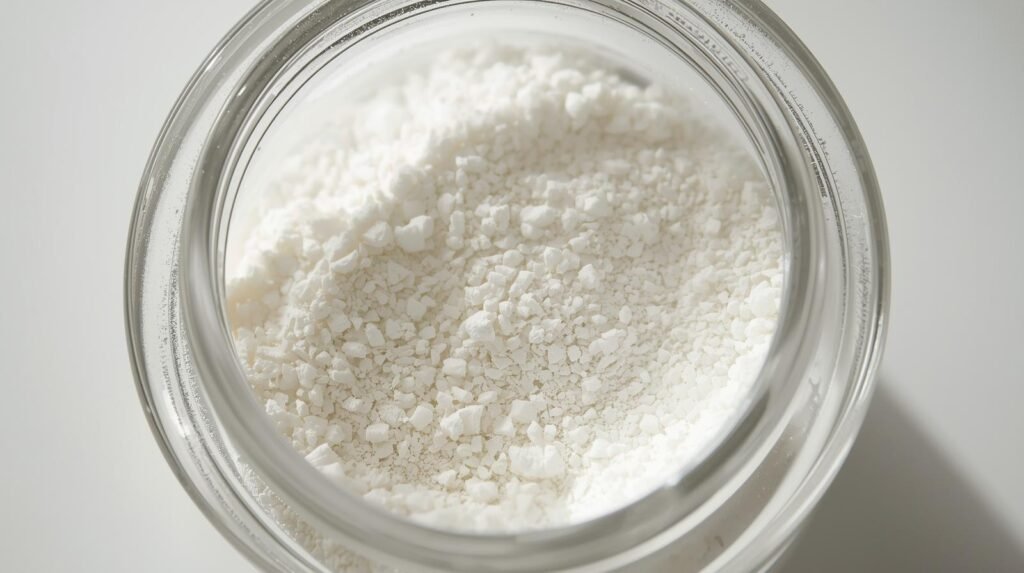
Introduction to Glycine
Glycine is a non-essential amino acid that plays a crucial role in the body’s physiology. As the simplest amino acid with a chemical structure represented by the formula C₂H₅NO₂, glycine consists of a single hydrogen atom as its side chain, which differentiates it from other amino acids that contain more complex structures. This unique simplicity allows glycine to fulfill various biological roles efficiently. It serves as a building block for proteins, aids in the synthesis of significant biomolecules, and is involved in several metabolic pathways.
Glycine is notable for its role in the synthesis of collagen, a primary structural protein found in connective tissues, skin, and bones. This process underscores glycine’s significance in maintaining the integrity and health of several body systems. Additionally, glycine acts as an important neurotransmitter in the central nervous system, facilitating communication between neurons and contributing to various neurological functions. It is also involved in the production of key substances such as bile salts and creatine, which are essential for digestion and energy metabolism, respectively.
Beyond its biological functions, glycine has garnered attention for its potential therapeutic benefits. Emerging research highlights its role in promoting sleep quality, supporting muscle recovery, and even aiding cognitive function. However, while the advantages are promising, a balanced examination of glycine includes an understanding of its potential downsides. In the following sections, we will delve deeper into the multifaceted uses of glycine, investigate its benefits in diverse contexts, and consider any associated risks that should be kept in mind. This comprehensive analysis will provide a well-rounded perspective on the significance of glycine in health and wellness.
The Role of Glycine in the Body
Glycine is one of the simplest amino acids and serves multiple biological functions that are vital to human health. It is categorized as a non-essential amino acid, meaning that our bodies can synthesize it, yet it is crucial in various metabolic pathways. One of the primary roles of glycine is its involvement in protein synthesis. As a building block of proteins, glycine contributes to the formation of many structural proteins, including collagen, which is essential for maintaining the integrity of connective tissues, skin, and bones. Collagen’s strength and flexibility largely depend on the presence of glycine, and its adequate production is vital for wound healing and joint health.
In addition to its structural roles, glycine functions as a neurotransmitter in the central nervous system. It acts as an inhibitory neurotransmitter, meaning it helps to transmit signals that reduce neuronal excitability. This action plays a critical role in the regulation of brain function, contributing to processes such as sleep, cognition, and memory. By facilitating the action of other neurotransmitters, glycine can help maintain a balanced mood and promote mental well-being.
Moreover, glycine is involved in various metabolic processes, including detoxification. It plays a significant part in the synthesis of glutathione, one of the body’s most important antioxidants, which helps protect cells from oxidative stress. This detoxification function is essential for managing harmful substances and maintaining overall health. Glycine’s role extends to immune system support, as it aids in the production of immune cells. Additionally, by influencing metabolic pathways, glycine can help regulate blood sugar levels and improve insulin sensitivity, making it an important amino acid in metabolic health.
Origin and Sources of Glycine
Glycine, a non-essential amino acid, plays a crucial role in various physiological processes in the human body. Unlike essential amino acids, which must be obtained through diet, the body can synthesize glycine from other amino acids, notably serine and threonine. This ability allows individuals to maintain glycine levels even when dietary intake may be inadequate. The synthesis occurs primarily in the liver and kidneys, utilizing enzymes that facilitate the conversion of serine to glycine.
Despite the body’s capacity to produce glycine, dietary sources remain an important means of ensuring optimal levels. Foods rich in glycine typically include high-protein options such as meat, fish, eggs, dairy products, and certain plant-based sources like legumes. For example, animal proteins, especially collagen-rich cuts of meat like skin, tendons, and bones, provide a particularly high glycine concentration. Additionally, fish such as salmon and tuna are excellent sources, as are dairy products like cheese and yogurt.
Moreover, vegetarian options such as beans, lentils, and nuts are viable sources for those who prefer plant-based diets. While the glycine content in these foods may be lower compared to animal sources, incorporating a variety of these options can help achieve adequate intake. Furthermore, gelatin, derived from animal collagen, is another highly concentrated source of glycine and can be integrated into the diet through various culinary applications. By understanding both the body’s synthesis capacity and the diverse array of foods available, individuals can effectively support their glycine levels, enhancing their overall health and well-being.
Health Benefits of Glycine
Glycine, a non-essential amino acid, plays a pivotal role in promoting various aspects of health and well-being. One of its notable benefits is its potential to enhance sleep quality. Research indicates that glycine can help improve sleep patterns by lowering body temperature and facilitating a quicker transition to sleep. A study published in the journal *Sleep* found that participants who consumed glycine before bedtime reported improved sleep satisfaction and reduced daytime fatigue, suggesting its effectiveness as a natural sleep aid.
Furthermore, glycine has been linked to positive outcomes in mental health. It functions as an inhibitory neurotransmitter, which can help regulate brain activity and promote feelings of calm and focus. Studies show that glycine supplementation may alleviate symptoms of anxiety and improve cognitive performance. For instance, a trial in the *Journal of Clinical Psychiatry* demonstrated that individuals with generalized anxiety disorder experienced reduced anxiety levels after incorporating glycine into their daily regimen.
In addition to its effects on sleep and mental health, glycine plays a crucial role in muscle mass preservation. It helps synthesize protein and collagen, making it vital for muscle repair and growth. A study published in the *Journal of Nutrition* found that glycine supplementation helped maintain muscle mass in older adults undergoing strength training. This caloric optimization is critical, especially for those aiming to counteract age-related muscle loss.
Lastly, glycine contributes significantly to metabolic health. It assists in the regulation of glucose levels and has been shown to improve insulin sensitivity. A study in *Diabetes Care* indicated that individuals supplementing with glycine had lower fasting glucose levels and improved insulin response. These findings underscore the multifaceted benefits of glycine, providing valuable insights into its potential as a supplemental aid for various health conditions.
Glycine in Supplement Form
Glycine, an amino acid that is both non-essential and conditionally essential, has gained considerable attention in recent years as a popular dietary supplement. Many individuals choose to incorporate glycine into their routines for a variety of reasons, primarily due to its potential health benefits. As a building block of proteins, glycine plays an important role in the synthesis of collagen, making it appealing for those seeking to support skin health, joint function, and overall physical well-being.
One of the standout features of glycine supplements is their wide range of uses. People often turn to glycine as a natural sleep aid, as it may help improve sleep quality by calming the nervous system and promoting relaxation. Additionally, it shows promise in aiding muscle recovery and regulating blood sugar levels. These benefits make glycine a versatile supplement in the realm of health and wellness.
When considering the incorporation of glycine supplements into one’s diet, it is essential to follow recommended dosages. Typically, doses range from 3 to 15 grams per day, but it is advisable to start with lower amounts and gradually increase to assess individual tolerance and effects. It is important to note that while glycine is generally considered safe for most individuals, those with pre-existing medical conditions or who are pregnant should consult a healthcare professional before starting any supplement regimen.
Furthermore, ensuring the quality of the glycine supplement taken is paramount. Opting for reputable brands that adhere to stringent quality controls helps to ensure the efficacy and safety of the product. In doing so, individuals can make informed decisions about their supplementation practices, optimizing the potential benefits of glycine while minimizing any adverse effects.
Potential Downsides and Risks of Glycine
While glycine is generally considered safe and offers several health benefits, it is essential to acknowledge potential downsides and risks associated with its supplementation. The most common side effects reported with glycine intake are mild and may include gastrointestinal discomfort, nausea, or an upset stomach. These effects are typically transient and resolve upon discontinuation or reduction of the supplement dosage.
One area of concern is the interaction of glycine with certain medications. Although glycine is not known to have significant drug interactions, it may potentially enhance the effects of certain central nervous system depressants, such as sedatives or sleep aids. Individuals prescribed these medications should consult with a healthcare professional before introducing glycine into their regimen. This precaution is particularly vital for those with additional health issues or who are taking multiple medications, as the combined effects could lead to excessive sedation or altered drug efficacy.
Moreover, those with underlying health conditions, such as kidney disease or those on dialysis, should exercise caution when considering glycine supplementation. The body typically excretes excess glycine via the kidneys, and impaired renal function could impair its clearance, leading to an accumulation of the amino acid in the bloodstream. This accumulation may potentially result in adverse outcomes, so medical advice is paramount in such situations.
Furthermore, excessive consumption of glycine could lead to hyperglycinemia, a rare condition associated with elevated levels of glycine in the blood. Symptoms may include lethargy, low muscle tone, and seizures. Thus, it is crucial to adhere to recommended dosages and consult with a healthcare provider when considering glycine, especially in higher doses.
Glycine and Exercise Performance
Glycine, a non-essential amino acid, has garnered attention within the fitness and athletic communities for its potential benefits related to exercise performance and recovery. Research indicates that glycine plays a significant role in various physiological processes, including protein synthesis, which is crucial for muscle recovery and repair after strenuous activities. This characteristic makes glycine particularly appealing to both athletes and recreational fitness enthusiasts aiming to enhance their performance and minimize recovery time.
Several studies have explored glycine’s impact on endurance and strength training. One notable study found that supplementing with glycine prior to exercise can improve endurance performance. Participants administrating glycine exhibited enhanced fatigue resistance, which facilitated longer engagement in aerobic activities. Additionally, another investigation highlighted glycine’s role in reducing muscle soreness and promoting faster recovery post-exercise. This dual function of glycine—improving performance while accelerating recovery—marks it as valuable for various training regimens.
Furthermore, glycine impacts the body’s antioxidant systems and may reduce oxidative stress following high-intensity workouts. By fostering an environment conducive to recovery, glycine supplementation can support athletes in achieving their training goals without prolonged downtime. This makes it a compelling addition to sports nutrition strategies. However, while the evidence supporting glycine’s benefits appears promising, it is equally essential to approach supplementation with caution. Ensuring a balanced diet alongside supplementation is vital for maximizing performance outcomes.
In essence, glycine’s influence on exercise performance is multifaceted, encompassing improvements in endurance and recovery. As the body of research continues to grow, athletes and fitness enthusiasts are encouraged to consider glycine as a potential component of their performance optimization regimen. Further studies will be necessary to comprehensively understand its benefits, optimal dosing, and potential downsides for individual users.
Comparison with Other Amino Acids
Glycine, a simple amino acid with the formula C2H5NO2, stands out among the 20 standard amino acids due to its unique structure and versatile properties. Unlike its more complex counterparts, glycine is an aliphatic amino acid that plays a crucial role in various physiological processes. When compared to essential amino acids, such as leucine and lysine, glycine offers distinct advantages, particularly in the realm of protein synthesis and neurotransmitter balance.
One of the key differences between glycine and other amino acids lies in its role as a building block for proteins. While other amino acids contribute to muscle growth and repair, glycine functions primarily as a precursor for important biomolecules, including collagen, which is vital for connective tissue health. This specific characteristic positions glycine as an indispensable presence in formulations aimed at promoting skin and joint health, complementing the muscle-building characteristics of more essential amino acids.
In terms of neurotransmitter activity, glycine serves as an inhibitory neurotransmitter in the central nervous system, useful for regulating neuronal excitability. This feature contrasts with amino acids like glutamate, which acts as an excitatory neurotransmitter. The balance between these two types of amino acids is crucial for maintaining optimal cognitive function and emotional stability, showcasing glycine’s unique role in neurotransmitter modulation.
Additionally, glycine works synergistically with other amino acids such as arginine and cysteine to support metabolic processes. It aids in the detoxification pathways of the body and enhances the benefits provided by other amino acids. Therefore, while glycine may not have the same direct muscle-building properties as some essential amino acids, its ability to provide complementary support in muscle recovery and its vital roles in various physiological processes underscore its importance in the amino acid family.
Conclusion and Final Thoughts
In this exploration of glycine, we have illuminated its multifaceted benefits, uses, and potential downsides. Glycine is a non-essential amino acid that plays a pivotal role in various physiological processes. As an integral component of proteins, glycine contributes to muscle growth, memory enhancement, and the detoxification of harmful substances within the body. Its presence in collagen also underscores its importance in maintaining healthy skin, joints, and connective tissues.
Moreover, glycine has shown promise in promoting better sleep quality and alleviating some symptoms of mental health disorders, such as anxiety and depression. These attributes render glycine a fascinating subject for those looking to enhance their health and wellness through natural means. Nonetheless, it is imperative to acknowledge the potential downsides associated with glycine supplementation. Some individuals may experience gastrointestinal disturbances, and its long-term effects are still the subject of ongoing research.
Furthermore, the decision to incorporate glycine supplements or increase dietary glycine intake should be made cautiously. Individuals considering such changes should evaluate their dietary choices and look for food sources rich in glycine, such as meat, fish, dairy products, and legumes. Consulting healthcare professionals is advisable to tailor any supplementation plan to individual health needs, ensuring both safety and efficacy. Overall, while glycine presents numerous health benefits, informed decision-making is key to maximizing its positive impacts while minimizing potential risks.



(As an Amazon Associate, I earn from qualifying purchases)