Introduction to Nitric Oxide
Nitric oxide (NO) is a colorless gas that plays a crucial role in various physiological processes within the human body. Comprised of one nitrogen atom and one oxygen atom, this small, simple molecule has garnered significant interest due to its multifaceted functions, particularly in the fields of cardiovascular health, immune response, and neurotransmission. Natural occurrences of nitric oxide can be found in several biological systems, as it is produced by the endothelial cells lining blood vessels and is also synthesized from amino acids, particularly L-arginine.
Within the cardiovascular system, nitric oxide acts as a vasodilator, meaning it helps relax and widen blood vessels, which in turn can lower blood pressure and enhance blood flow. This property is essential for maintaining proper blood circulation and is one of the reasons NO is often associated with improved exercise performance and recovery. Additionally, nitric oxide plays a critical part in immune defense, where it is produced by immune cells as a means to combat pathogens and inhibit microbial growth. Moreover, in the context of the nervous system, nitric oxide serves as a signaling molecule, facilitating communication between nerve cells and influencing various brain functions, including memory and learning.
While the implications of nitric oxide are predominantly beneficial, it is imperative to acknowledge that excess levels of this molecule can lead to adverse effects, such as oxidative stress and inflammation. These negative consequences underscore the importance of maintaining a balanced level of nitric oxide in the body. As this post will explore, the benefits of NO are substantial; however, an understanding of its potential risks is equally critical. This introduction sets the stage for a comprehensive examination of nitric oxide, shedding light on its significance, uses, benefits, and the associated risks to health and wellness.
The Role of Nitric Oxide in the Body
Nitric oxide (NO) is a crucial molecule within the human body, recognized primarily for its role as a vasodilator. This property enables it to relax and widen blood vessels, allowing for improved blood flow. Enhanced circulation is vital for maintaining cardiovascular health, as it helps regulate blood pressure and ensures that tissues receive adequate oxygen and nutrients. The capacity of nitric oxide to modulate vascular tone is fundamental to the prevention of various cardiovascular diseases, including hypertension and atherosclerosis.
Moreover, nitric oxide plays a significant role in neurotransmission. It serves as a signaling molecule within the nervous system, facilitating communication between neurons. This action is particularly important in regions of the brain that are involved in memory and learning. The synthesis of nitric oxide in the brain can enhance cognitive function and support neuroprotection, thereby contributing to overall mental health.
In addition to its cardiovascular and neurological roles, nitric oxide is also a critical component of the immune system. It is produced by various immune cells and acts as a defense mechanism against pathogens. By promoting the activation of other immune cells, nitric oxide enhances the body’s capacity to fight infections and inflammation. This multifaceted role underscores the importance of maintaining optimal levels of nitric oxide for overall health.
The mechanisms through which nitric oxide exerts its effects are complex and involve numerous signaling pathways. Beyond simply serving as a vasodilator, it influences cellular communication, metabolic processes, and the response of various organs to stressors. Overall, nitric oxide significantly impacts various physiological systems, highlighting its importance in maintaining health and preventing disease. Understanding these functions emphasizes the necessity of supporting nitric oxide production in the body for enhanced well-being.
Origin and Discovery of Nitric Oxide
Nitric oxide (NO) has a complex and fascinating history marked by early research that laid the groundwork for its eventual significance as a biological signaling molecule. The discovery of nitric oxide dates to the early 19th century when it was first identified as a product of combustion. Scientists, including the likes of Humphry Davy, contributed to the understanding of this gas, initially classifying it as a toxic pollutant due to its adverse effects in high concentrations. However, the turning point for nitric oxide came in the late 20th century.
In 1987, a groundbreaking study by Robert F. Furchgott demonstrated that endothelial cells release a substance that could cause smooth muscle relaxation in blood vessels. This substance was soon identified as nitric oxide. Furchgott’s work highlighted the role of NO in cardiovascular health, paving the way for further research into its physiological significance. This discovery earned Furchgott the Nobel Prize in Physiology or Medicine in 1998, along with Louis J. Ignarro and Ferid Murad, who explored nitric oxide’s mechanisms of action in the body.
Over the years, scientific understanding of nitric oxide has evolved significantly. Initially perceived merely as a pollutant, it is now recognized as a critical signaling molecule that influences various physiological processes, including vasodilation, neurotransmission, and immune responses. Research has demonstrated that nitric oxide plays a pivotal role in maintaining cardiovascular health, mediating responses to injury, and regulating blood flow. As researchers continue to explore the multifaceted roles of this molecule, nitric oxide has emerged at the forefront of biomedical research, potentially offering insights into therapies for cardiovascular diseases and other health conditions.
Usage of Nitric Oxide in Medicine and Supplements
Nitric oxide (NO) serves a crucial role in various medical applications due to its vasoactive properties. One prominent use of nitric oxide in medicine is as a therapeutic agent for conditions like hypertension. In patients with elevated blood pressure, administered nitric oxide can promote vasodilation, increasing blood flow and reducing overall blood pressure. This property makes nitric oxide an important tool in managing hypertensive crises and improving cardiovascular health.
Another critical application of nitric oxide is in addressing erectile dysfunction. The physiological mechanism behind an erection involves the release of nitric oxide in the blood vessels of the penis, leading to increased blood flow. Medications that enhance nitric oxide pathways, such as phosphodiesterase type 5 inhibitors, have proven effective for many men suffering from erectile dysfunction. Moreover, direct use of nitric oxide gas in a clinical setting has been investigated for its potential benefits.
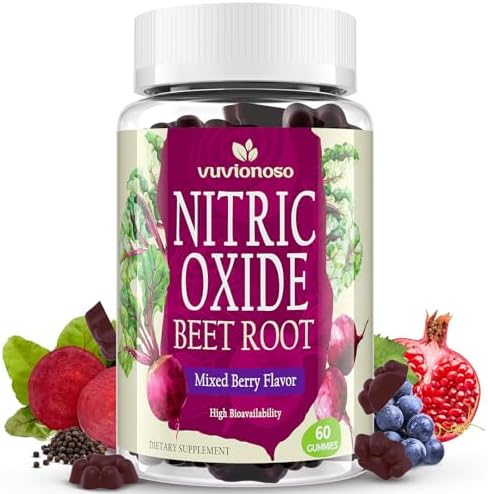
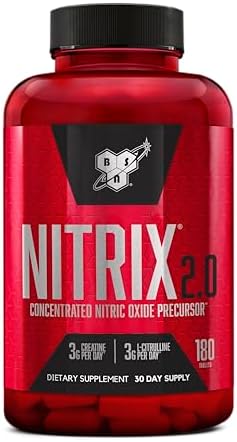
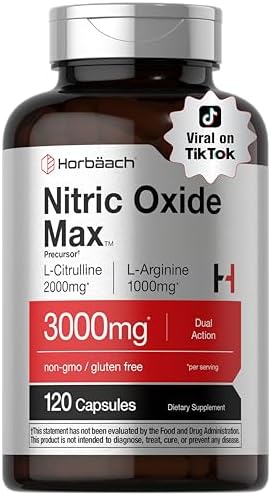
In addition to its medical uses, nitric oxide has gained popularity in the realm of dietary supplements, particularly among athletes seeking to enhance physical performance. Nitric oxide boosters, such as L-arginine and beetroot juice, are often marketed as ways to improve exercise capacity and recovery. L-arginine, an amino acid, is a known precursor for nitric oxide synthesis, often utilized in pre-workout formulations. Beetroot juice, rich in nitrates, also supports endogenous nitric oxide production, ultimately enhancing exercise performance by improving oxygen delivery and endurance.
While many athletes report positive results from these supplements, the scientific community is divided on their overall effectiveness. Some studies indicate improved endurance and reduced fatigue, while others exhibit minimal benefits. Thus, individuals considering nitric oxide supplements should evaluate their personal health goals and consult healthcare professionals to ensure appropriate usage.
Benefits of Nitric Oxide
Nitric oxide (NO) is a vital molecule in the human body that plays a crucial role in various physiological processes. Among its numerous benefits, enhanced exercise performance stands out. Studies suggest that nitric oxide improves blood flow and oxygen delivery to muscles during physical activity. This enhances endurance, allowing athletes to engage in prolonged exercise without succumbing to fatigue. The vasodilatory effects of nitric oxide can lead to improved oxygen consumption and nutrient delivery, ultimately fostering better athletic outcomes.
Another significant advantage of nitric oxide is its positive impact on cardiovascular health. NO helps regulate blood pressure by relaxing the blood vessels, which reduces arterial stiffness and facilitates easier blood flow. Research indicates that maintaining adequate levels of nitric oxide can lower the risk of heart-related issues, such as high blood pressure and atherosclerosis. Furthermore, it is associated with a decrease in platelet aggregation, which lowers the risk of thrombus formation and, subsequently, heart attacks.
In addition to its cardiovascular benefits, nitric oxide is linked to enhanced cognitive function. Adequate NO levels improve cerebral blood flow, facilitating the delivery of nutrients and oxygen to the brain. Increased blood flow supports neurogenesis and synaptic plasticity, which are essential for memory and learning. Experts point out that nitric oxide may also help mitigate neurodegeneration, safeguarding cognitive abilities as we age.
Lastly, nitric oxide exhibits potential protective effects against various diseases. Research has indicated that it may play a role in fighting infections and reducing inflammation. Its antimicrobial properties help combat pathogens and support immune responses. Additionally, preliminary findings suggest a connection between nitric oxide levels and the management of chronic diseases like diabetes and neurodegenerative disorders.
Potential Downsides of Nitric Oxide
Nitric oxide (NO) is often praised for its numerous benefits, particularly in promoting vascular health and enhancing exercise performance. However, alongside its advantages, there are important potential downsides and risks that must be considered before supplementation. One of the primary concerns is the possibility of overstimulation of the body’s systems, which can lead to various adverse effects. For instance, excessive nitric oxide production may result in headaches or migraines in some individuals, a consequence attributed to increased blood flow and pressure changes in the brain.
Gastrointestinal issues can also arise from high levels of nitric oxide. Individuals might experience symptoms such as nausea, abdominal cramping, and diarrhea. These reactions are often related to the body’s attempts to balance its nitric oxide levels and can be aggravated by existing digestive conditions. As the body responds to heightened nitric oxide, it may impair normal gastrointestinal function, resulting in discomfort and unpleasant side effects.
Furthermore, the interaction of nitric oxide with certain medications poses another concern. Particularly, individuals who are on blood pressure medications or those with cardiovascular diseases should exercise caution. The vasodilatory effects of nitric oxide can amplify the impact of these medications, leading to potential hypotension or excessively low blood pressure. This risk underscores the necessity for individuals to consult healthcare providers before starting any nitric oxide supplementation.
Additionally, the individual response to nitric oxide can vary significantly, depending on genetic predispositions, existing health conditions, and lifestyle factors. For some, nitric oxide supplements may enhance performance and recovery; for others, they may produce unwanted side effects. As such, it is crucial to approach nitric oxide supplementation with mindfulness of potential downsides and a thorough understanding of one’s unique health profile.
Food Sources that Promote Nitric Oxide Production
Nitric oxide plays a crucial role in various bodily functions, particularly in enhancing blood flow and improving exercise performance. A diet rich in specific foods can naturally increase nitric oxide production, which may benefit overall health and athletic abilities. Foods abundant in nitrates and amino acids, especially L-arginine, contribute significantly to this process.
Leafy greens such as spinach, arugula, and kale are exceptional sources of dietary nitrates. When consumed, nitrates are converted into nitric oxide in the body, thereby fostering better circulation and cardiovascular health. Beets are another potent source of nitrates and have gained popularity as a natural performance enhancer among athletes. Additionally, incorporating other vegetables like celery and radishes can also elevate dietary nitrate intake.
Amino acids play a vital role in the synthesis of nitric oxide. Foods rich in L-arginine, such as nuts, seeds, and legumes, can significantly boost nitric oxide levels. For instance, walnuts, chia seeds, and lentils not only provide L-arginine but also come with other essential nutrients that support overall well-being. Including these foods in one’s diet can facilitate higher nitric oxide production.
Antioxidants are imperative for maintaining optimal nitric oxide levels, as they help prevent the breakdown of nitric oxide in the body. Foods high in antioxidants, such as berries, citrus fruits, and dark chocolate, can support the sustained availability of nitric oxide. Incorporating these options into meals provides a synergistic effect that enhances nitric oxide’s positive attributes.
To further optimize nitric oxide production, consider making gradual dietary adjustments. Increasing the intake of fruits and vegetables while moderating processed foods can significantly influence nitric oxide levels. Furthermore, consistency is key; adhering to a balanced diet rich in these food sources can yield sustained benefits for health and athletic performance.
Current Research and Future Perspectives
The exploration of nitric oxide (NO) has gained significant momentum in recent years, with numerous studies aimed at understanding its multifaceted roles in health and disease. Current research delves into the therapeutic applications of NO, particularly in age-related diseases and recovery mechanisms in conditions such as heart failure and neurodegenerative disorders. One notable area of investigation focuses on the potential for nitric oxide to enhance blood flow and oxygen delivery to tissues, which can be crucial for individuals experiencing the deteriorating effects of aging.
Recent findings indicate that enhancing endogenous nitric oxide production may mitigate the progression of conditions associated with aging, thereby improving overall physiological function. For instance, researchers are studying the use of NO donors in the management of heart failure, where the modulation of vascular function could alleviate symptoms and improve quality of life for patients. Preliminary results suggest that these interventions might enhance cardiac output and reduce symptoms related to heart failure, indicating a promising avenue for therapeutic development.
In the realm of neurodegenerative diseases, nitric oxide’s role as a signaling molecule is being examined for its neuroprotective properties. Studies show that NO can modulate synaptic plasticity and may help counteract the neuroinflammation often observed in diseases such as Alzheimer’s and Parkinson’s. The potential of NO to facilitate recovery from these conditions is a key area of focus in ongoing research, as scientists strive to elucidate the precise mechanisms by which nitric oxide influences cellular processes.
As research progresses, it is critical to explore the adverse effects associated with high levels of nitric oxide, as excess production can lead to cytotoxicity. Future studies aim to establish optimal dosing regimens and therapeutic contexts for nitric oxide application, helping to maximize its benefits while minimizing risks. Moving forward, the promise of nitric oxide in both preventive and therapeutic strategies will continually reshape our understanding of its role in health and disease.
Conclusion: The Dual Nature of Nitric Oxide
Nitric oxide plays a complex role in human health, serving both beneficial and potentially harmful functions. As a signaling molecule, it is vital for maintaining vascular health, regulating blood flow, and supporting various physiological processes. Studies suggest that proper levels of nitric oxide can enhance exercise performance, aid in muscle recovery, and contribute to overall cardiovascular well-being. Additionally, it has been found to have anti-inflammatory properties, making it an essential player in immune response and tissue repair.
However, it is also important to recognize the risks associated with excessive nitric oxide production. While the body produces this molecule naturally, factors such as environmental stressors, unhealthy lifestyle choices, and certain medical conditions can lead to an imbalance. Elevated levels of nitric oxide can contribute to oxidative stress and inflammation, which may exacerbate chronic diseases and negatively impact overall health. Therefore, it is essential for individuals to monitor their nitric oxide levels and be aware of how various factors may influence its production.
In light of these considerations, maintaining a balanced approach to nitric oxide is crucial for optimizing its health benefits while minimizing potential risks. Individuals are encouraged to evaluate their lifestyle choices, including diet and exercise, as these can significantly affect nitric oxide levels in the body. Furthermore, consultation with healthcare providers is recommended, especially for those interested in supplementation or with pre-existing health conditions. By understanding the dual nature of nitric oxide, individuals can make informed decisions that support their health and well-being.
(As an Amazon Associate, I earn from qualifying purchases)