Introduction to Casein Protein Powder
Casein protein powder is a popular dietary supplement derived from milk, specifically the casein fraction that constitutes approximately 80% of the protein in cow’s milk. Unlike whey protein, which is quickly absorbed by the body, casein is known for its slow digestion rate, providing a gradual release of amino acids into the bloodstream. This characteristic makes casein protein exceptionally valuable, particularly for those seeking to enhance muscle recovery and growth. As the fitness industry continues to evolve, protein supplementation has gained significant traction among athletes, bodybuilders, and even casual gym-goers, drawn by the promise of improved performance and faster recovery times.
The rise in popularity of protein powders, including casein variants, reflects a broader trend toward nutritional optimization in fitness and health regimens. Athletes and fitness enthusiasts alike are increasingly aware of the importance of adequate protein intake to support their training goals and overall well-being. Casein protein powder is often favored for its rich content of essential amino acids, which play a vital role in muscle repair and synthesis. This supplement also offers the added benefit of promoting satiety, making it an excellent option for those looking to manage their appetite and support their weight management efforts.
In the context of sports supplementation, casein protein stands out not only for its nutritional profile but also for its versatility. It can be incorporated into various recipes, including shakes, smoothies, and baked goods, making it an easily adaptable option for many dietary preferences. The increasing availability of flavored casein protein powders further enhances its appeal, meeting the taste preferences of a diverse consumer base. As we explore the various dimensions of casein protein powder, we will delve into its specific benefits, optimal usage guidelines, and considerations for its incorporation into a balanced diet.
What is Casein Protein Powder?
Casein protein powder is a high-quality protein derived from milk, accounting for approximately 80% of the total protein content found in cow’s milk, with the remaining 20% coming from whey protein. Casein protein is distinguished by its unique biochemical structure, characterized by its ability to form a gel or curd when exposed to acidic conditions. This property is attributed to its molecular composition, which is primarily comprised of casein micelles, allowing it to provide sustained amino acid release when consumed.
The primary distinction between casein and whey protein lies in their digestion rates. Whey protein is known for its rapid absorption and is often utilized by athletes for immediate post-workout recovery. In contrast, casein protein is digested slowly, resulting in a gradual release of amino acids into the bloodstream. This slow digestion makes casein an ideal protein source for individuals seeking to maintain a steady supply of nutrients over an extended period, such as overnight or during prolonged periods without food.
This characteristic of slow digestion not only aids in muscle recovery but also provides a prolonged feeling of satiety, which can be beneficial for weight management. As muscle maintenance and repair demands a continuous supply of amino acids, casein protein proves to be particularly effective for supporting muscle growth and recovery during the night when the body is in a fasted state. Furthermore, casein protein is often used by those looking to curb their appetite, thanks to its ability to promote a sense of fullness.
In summary, casein protein powder is a milk-derived protein known for its slow digestion and sustained amino acid release, making it distinct from whey protein. Its unique properties render it beneficial for muscle recovery, appetite control, and overall nutritional support.
The Role of Casein Protein in Nutrition
Casein protein plays an integral role in nutrition, particularly for individuals engaged in intense physical activities such as athletic training or body-building. Being a slow-digesting protein, casein gradually releases amino acids into the bloodstream, which makes it highly effective for muscle repair and growth. This characteristic allows the body to maintain a positive nitrogen balance, crucial for recovery and muscle building. As a result, athletes and fitness enthusiasts often incorporate casein protein into their diets, particularly before bedtime, to support overnight recovery and muscle synthesis.
For those aiming to manage their weight, casein protein offers additional advantages. The slow digestion of casein promotes a feeling of fullness, which can be beneficial for individuals looking to control their appetite and reduce overall caloric intake. By prolonging the release of amino acids, casein can help sustain energy levels throughout the day, thereby reducing the temptation to snack or indulge in high-calorie foods. This satiety effect is particularly useful for dieters and those aiming to maintain a balanced diet.
Furthermore, casein is rich in essential amino acids, making it a high-quality protein source. Its unique properties not only support muscle growth but also contribute to various physiological functions, including immune support and hormone production. Incorporating casein protein in a diet can be particularly beneficial for vegetarians and others who may struggle to meet their protein needs from traditional food sources. Overall, casein protein’s ability to enhance muscle recovery and promote satiety makes it an invaluable addition to the nutritional arsenal of those looking to enhance their fitness levels or manage weight effectively.
Benefits of Casein Protein Powder
Casein protein powder is widely recognized for its multiple advantages, particularly in the realm of fitness and nutritional supplementation. One of the most significant benefits of casein is its ability to provide a sustained release of amino acids into the bloodstream. This slow digestion rate makes it an excellent choice for those looking to optimize muscle recovery post-exercise, as it delivers a steady supply of the building blocks necessary for muscle repair and growth over an extended period.
In addition to aiding recovery, casein protein is beneficial for muscle retention during calorie deficits. Athletes and individuals aiming for weight loss often face the challenge of preserving lean muscle mass while reducing their caloric intake. By incorporating casein into their diets, these individuals can help protect their muscles from degradation during periods of calorie restriction, as the prolonged amino acid release helps signal to the body that it has the necessary resources to maintain muscle tissue.
Moreover, casein protein may have a role in promoting fat loss. Some research suggests that the slow absorption of this protein can enhance feelings of fullness, aiding in appetite control. As satiety plays a crucial role in weight management, casein can be a helpful addition to dietary strategies aimed at reducing overall caloric intake. Additionally, its unique composition supports overall health and wellness by contributing essential nutrients that help in various bodily functions.
Overall, the multifaceted benefits of casein protein powder make it a valuable addition to any nutrition plan, particularly for those engaged in rigorous training or looking to maintain a balanced diet. It is an effective supplement for supporting muscle recovery, retention, and potentially aiding in fat loss, thereby promoting a healthier lifestyle.
How to Use Casein Protein Powder
Integrating casein protein powder into your daily routine can greatly contribute to your nutritional needs, particularly for muscle recovery and growth. To begin, it’s important to understand the recommended serving size. A typical serving is around 20 to 30 grams, which can be consumed one to two times a day, depending on your dietary goals and activity levels.
The timing of casein protein intake is crucial for maximizing its benefits. Since it digests slowly and provides a steady release of amino acids, it is ideal to consume casein protein powder before sleeping. This approach helps maintain muscle protein synthesis during the night when the body is in a fasted state, thus promoting recovery. For those engaged in intense training, an afternoon snack that includes casein can also be beneficial to keep the muscles nourished.
Casein protein powder can be easily incorporated into a variety of recipes. Mixing it with milk or water is a common method; however, it can also be added to smoothies for a nutritional boost. To prepare a protein shake, combine one scoop of casein powder with your choice of liquid, fruits, and perhaps some peanut butter for a rich flavor profile. Alternatively, casein can be incorporated into recipes for protein pancakes or baked goods, such as muffins or energy bars, enhancing their protein content without compromising taste.
If you prefer savory options, consider adding casein protein to your oatmeal or Greek yogurt. It dissolves relatively well, providing a creamy texture and nutritional value. Additionally, experimenting with flavors, such as chocolate or vanilla casein, can make these meals more enjoyable while ensuring you meet your protein intake. Through these various methods, incorporating casein protein powder into your diet becomes both practical and delicious.
Potential Downsides of Casein Protein Powder
While casein protein powder is favored for its slow digestion rate and ability to support muscle recovery, potential downsides exist that users should be aware of. One of the most significant concerns is the risk of allergic reactions. Individuals with a dairy allergy may react adversely to casein, as it is a major component of milk. Symptoms can range from mild to severe and can include hives, gastrointestinal distress, and in extreme cases, anaphylaxis. Therefore, it is crucial for those who are sensitive to dairy to either avoid casein protein or consult with a healthcare professional prior to consumption.
Lactose intolerance is another issue that can affect the use of casein protein powder. Although casein contains lower levels of lactose compared to whey protein, some individuals may still experience discomfort such as bloating, gas, or diarrhea after consuming casein. For those who are lactose intolerant, opting for a lactose-free casein protein supplement or considering alternative protein sources may be advisable.
Overconsumption of protein powders, including casein, can also pose health risks. Excessive intake may lead to digestive issues or an imbalance in nutrient consumption, potentially impacting kidney function over time. It is essential to consume casein protein as part of a balanced diet, considering not only protein needs but also necessary vitamins and minerals.
Moreover, the quality of casein protein powders varies significantly across different brands. Low-quality products may contain contaminants or fillers that could adversely affect health. As a result, consumers should prioritize sourcing high-quality casein protein from reputable manufacturers. By understanding these potential downsides, individuals can make more informed decisions regarding the use of casein protein powder as part of their nutritional regimen.
Comparing Casein Protein to Other Protein Sources
When it comes to protein supplementation, various options are available, each with its own unique characteristics and benefits. Among the popular choices are casein, whey, soy, and plant-based proteins. Understanding the distinct profile of these protein sources can help individuals make informed decisions tailored to their dietary needs and fitness goals.
Casein protein, derived from milk, is known for its slow digestion rate. This means that it releases amino acids gradually into the bloodstream, making it an excellent choice for muscle recovery overnight or during prolonged periods without food intake. In contrast, whey protein is rapidly absorbed, ideal for post-workout scenarios where immediate muscle recovery is desired. For users looking to sustain their protein levels throughout the night, casein may provide a more advantageous option.
Soy protein is another alternative that appeals to those seeking plant-based options. It contains all essential amino acids, making it a complete protein source. However, soy may not be suitable for everyone; some individuals may experience digestive discomfort or have soy allergies. Casein, being dairy-derived, provides a different amino acid profile that is generally well-tolerated by those without lactose intolerance.
Plant-based proteins, such as pea, hemp, and rice, are increasingly popular due to their vegan nature. While they often lack one or more essential amino acids, combining different plant proteins can yield a complete amino acid profile. However, the absorption rate and bioavailability of plant-derived proteins can vary significantly compared to casein and whey proteins.
Ultimately, the choice between casein protein and other sources hinges on personal dietary preferences, specific fitness objectives, and nutritional requirements. Understanding the differences between these protein options enhances the capacity to select the most appropriate protein solution for individual needs.
Success Stories and Testimonials
Many individuals have found success using casein protein powder as part of their health and fitness routines. The positive experiences shared by these users highlight the diverse benefits and applications of casein protein. For instance, a bodybuilder named John reported noticeable gains in muscle mass after incorporating casein protein into his pre-bedtime routine. He noted that the slow-digesting nature of casein allowed for sustained amino acid release throughout the night, facilitating recovery and growth. John now considers casein an essential part of his nutritional strategy.
Another user, Sarah, a fitness enthusiast, shared her experience of using casein protein powder as a complement to her weight loss journey. Struggling with late-night cravings, she found that a casein shake before bed helped curb her appetite and prevent unhealthy snacking. This approach not only supported her weight management efforts but also provided her with the nutrients needed to maintain energy levels during her workouts. Sarah attributes part of her success to the incorporation of casein protein, emphasizing its role in helping her meet her wellness goals.
A particularly noteworthy testimonial comes from Mike, who experienced significant digestive issues with other protein supplements. After switching to casein protein powder, he reported improved digestion and satisfaction, as casein is gentler on the stomach for many individuals. Mike’s experience sheds light on how casein can serve as a suitable protein source for those with sensitivities or intolerances. His case illustrates the importance of choosing the right type of protein to match individual dietary needs.
These anecdotes illustrate that individuals from various backgrounds can achieve their health and fitness goals by integrating casein protein powder into their routines. Such personal testimonies not only inspire but also provide reassurance of the practical benefits that casein offers.
Conclusion: Is Casein Protein Right for You?
As we have explored throughout this guide, casein protein powder offers a range of benefits that can be advantageous for individuals considering their nutritional and fitness goals. One of the primary contributions of casein protein is its ability to provide a sustained release of amino acids, making it an excellent option for those looking to support muscle recovery, prevent muscle breakdown, and enhance overall muscle growth.
Furthermore, casein is particularly beneficial for individuals who are active or engage in regular exercise, as it can help to create an anabolic environment, thereby potentially increasing muscle mass over time. The slower digestion rate of casein also makes it suitable for consumption before prolonged periods without food, such as overnight, which can aid in maximizing muscle protein synthesis during sleep.
It is essential to evaluate personal dietary needs and fitness objectives when considering the inclusion of casein protein in one’s nutritional regimen. For those who struggle to meet their protein intake from whole food sources due to dietary restrictions, convenience preferences, or busy lifestyles, casein protein powder can serve as an effective addition to complement a balanced diet.
However, individuals who are lactose intolerant or have dairy allergies should proceed with caution, as casein is derived from milk. It is advisable for such individuals to explore plant-based protein alternatives or consult a healthcare professional for tailored advice. Ultimately, whether casein protein powder aligns with your requirements rests on careful consideration of its attributes alongside your specific health and fitness objectives.
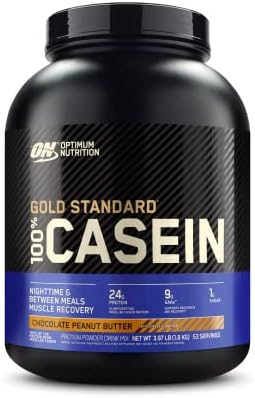
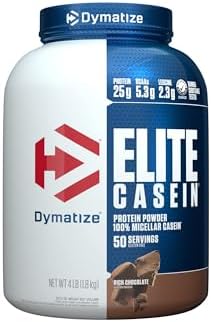
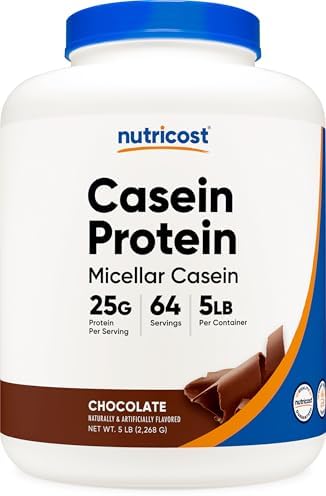
(As an Amazon Associate, I earn from qualifying purchases)