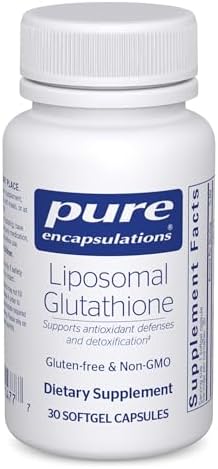
- Setria Glutathione Supplement: Each antioxidant softgel has 375 mg of Setria glutathione, providing enhanced liver suppo…
- Liposomal Delivery: Our liposomal glutathione supports absorption through a phospholipid complex, maximizing benefits by…
- Antioxidant Protection: Supports cellular health with antioxidants and supports liver detox*
(As an Amazon Associate, I earn from qualifying purchases)
Introduction to Glutathione
Glutathione is a seminal tripeptide composed of three amino acids: cysteine, glutamine, and glycine. This formidable molecule is produced naturally within the body’s cells and is paramount for numerous biological functions. It acts as a potent antioxidant, providing pivotal protection against oxidative stress and free radical damage, which can be detrimental to cellular integrity. Furthermore, glutathione aids in the detoxification of harmful substances, making it essential for the proper functioning of the liver and other vital organs.
The significance of glutathione extends beyond its antioxidant capabilities. It is intricately involved in various biochemical processes, including DNA synthesis and repair, protein synthesis, and the regulation of immune response. This diverse functionality positions glutathione as a critical component in maintaining homeostasis within the human body. As individuals face increasing levels of environmental toxins, poor dietary choices, and lifestyle stresses, the need for effective antioxidant defense becomes ever more apparent. This has led to a spotlight on glutathione, particularly within the health and wellness community.
In recent years, the popularity of glutathione has surged, particularly in the realms of nutritional supplementation and cosmetic applications. Many individuals are now turning to glutathione supplements in pursuit of enhanced health outcomes, including improved skin appearance, increased energy levels, and strengthened immune function. Awareness surrounding glutathione has prompted robust discussions regarding its potential therapeutic benefits and risks, further fueling interest in this unique peptide. The subsequent sections will delve into the specific roles, benefits, and potential downsides of glutathione, providing a comprehensive understanding of its influence on overall health and well-being.
What is Glutathione?
Glutathione is a vital tripeptide composed of three amino acids: cysteine, glutamine, and glycine. This small but potent molecule plays a crucial role in numerous biochemical processes within the human body. The unique structure of glutathione enables it to act as a powerful antioxidant, effectively combating oxidative stress and neutralizing harmful free radicals that can lead to cellular damage. The presence of a sulfhydryl (-SH) group in cysteine is particularly significant, as it contributes to glutathione’s ability to undergo redox reactions, thereby maintaining the balance of oxidative and reductive cellular environments.
Within the human body, glutathione is synthesized primarily in the liver, where it is produced from its constituent amino acids through a series of enzymatic reactions. The availability of these amino acids, particularly cysteine, largely influences the synthesis and levels of glutathione. Moreover, various factors, such as age, diet, and environmental stressors, can also impact its production. Adequate levels of glutathione are essential not only for antioxidant defense but also for detoxification processes, immune response regulation, and maintaining cellular homeostasis.
As one of the most abundant antioxidants in cells, glutathione plays a critical role in protecting cells from oxidative damage. It also participates in the recycling of other antioxidants, such as vitamins C and E, enhancing their efficacy in neutralizing free radicals. The multifunctional nature of glutathione extends beyond its antioxidant capabilities; it is also involved in various metabolic and biochemical pathways, including protein synthesis and enzyme activation. Understanding the central role of glutathione in maintaining health highlights its importance in both preventative and therapeutic applications.
The Role of Glutathione in the Body
Glutathione is a critical tripeptide that plays several essential roles within the human body, primarily recognized for its function as a powerful antioxidant. By neutralizing free radicals, glutathione helps reduce oxidative stress, which contributes to various chronic diseases and aging processes. When the body undergoes physical stress or exposure to environmental toxins, glutathione levels can deplete swiftly. This depletion makes it imperative to maintain adequate levels of this vital antioxidant to bolster cellular health and overall well-being.
In addition to its antioxidant capabilities, glutathione is intricately involved in the body’s detoxification processes. It facilitates the conjugation of toxic substances, making them more water-soluble and easier for the body to eliminate. These detoxification processes occur primarily in the liver, where glutathione aids in neutralizing harmful compounds, such as heavy metals and certain medications. The liver’s ability to detoxify efficiently is significantly influenced by adequate glutathione levels, highlighting the importance of this tripeptide in maintaining systemic health and mitigating toxic exposure.
Moreover, glutathione plays a crucial role in supporting the immune system. It helps regulate the immune response by promoting the activity of immune cells, including lymphocytes and natural killer cells. By maintaining optimal immune function, glutathione significantly contributes to the body’s defense mechanisms against infections and chronic illnesses. Thus, ensuring sufficient levels of this powerful molecule is vital for safeguarding overall health and enhancing the body’s resilience against various ailments.
Ultimately, the multifaceted roles of glutathione underscore its importance in health management, emphasizing the need for individuals to be aware of factors that can influence its levels. Maintaining nutritional intake rich in precursor nutrients, such as cysteine, may support the synthesis of glutathione, thereby promoting its beneficial effects within the body.
Origin and Sources of Glutathione
Glutathione is a tripeptide composed of three amino acids: cysteine, glutamine, and glycine. It is naturally produced in the body and is primarily synthesized in the liver, which plays a crucial role in metabolic processes. The body’s production of glutathione is dependent on the availability of these amino acids, particularly cysteine, which is often considered the rate-limiting factor in its synthesis. This highlights the importance of dietary sources of sulfur-containing amino acids for maintaining optimal glutathione levels.
Natural sources of glutathione can be found in various foods, particularly those rich in sulfur. Cruciferous vegetables such as broccoli, Brussels sprouts, and kale are excellent options. Additionally, onions, garlic, and asparagus are known to contribute to glutathione production. Fruits like avocado and watermelon also contain this vital antioxidant. Consuming a diet that is rich in these foods can support the body’s ability to produce and maintain adequate levels of glutathione, thereby promoting overall health and wellness.
In addition to dietary sources, glutathione is available in supplemental forms, including capsules, powders, and intravenous injections. These supplements are often used in health and wellness practices, particularly for detoxification, skin health, and boosting the immune system. While some studies suggest that oral glutathione supplements can enhance levels in the body, other research indicates that the body may not absorb it effectively when taken orally. Therefore, certain forms of glutathione, such as liposomal or acetylated versions, may provide better bioavailability. It is essential for individuals considering glutathione supplementation to consult healthcare professionals, ensuring that they approach it safely and effectively.
Health Benefits of Glutathione
Glutathione, often referred to as the body’s master antioxidant, plays a crucial role in maintaining cellular health and overall well-being. One of the primary benefits of glutathione is its potent antioxidant properties, which help neutralize harmful free radicals in the body. This function is vital in combatting oxidative stress, a condition that can damage cells and contribute to various chronic diseases, such as heart disease and cancer. Research has consistently shown that adequate levels of glutathione are essential for maintaining optimal health.
In addition to its antioxidant capabilities, glutathione significantly enhances detoxification processes. This tripeptide assists the liver in breaking down and eliminating toxins, heavy metals, and harmful substances from the body. By facilitating the detoxification pathways, glutathione aids in promoting a healthier internal environment, essential for long-term health. Studies indicate that individuals with higher glutathione levels tend to have better detoxification outcomes and may experience fewer negative health effects from environmental toxins.
Furthermore, glutathione has been linked to improvements in skin health. Its powerful antioxidant properties help alleviate signs of aging, such as wrinkles and fine lines, while promoting an even skin tone. Many skincare products now incorporate glutathione for its ability to enhance skin brightness and radiance. Research supports the effectiveness of glutathione in reducing hyperpigmentation and improving overall skin texture.
Lastly, glutathione may play a critical role in managing chronic diseases. Evidence suggests that individuals suffering from conditions such as diabetes, liver disease, and neurodegenerative disorders often experience lowered levels of this vital antioxidant. Maintaining sufficient glutathione levels could potentially alleviate symptoms or slow the progression of these diseases. Understanding and supporting glutathione levels in the body presents a promising avenue for fostering better health outcomes across various conditions.
Potential Downsides and Risks
While glutathione is widely recognized for its antioxidant properties and numerous health benefits, it is essential to acknowledge the potential downsides and risks associated with its supplementation. One primary concern is the risk of excessive intake. High doses of glutathione, particularly through intravenous routes, can lead to adverse effects such as digestive disturbances, skin reactions, and even more severe allergic responses in sensitive individuals. Therefore, it is crucial to adhere to recommended dosages to mitigate these risks.
Another issue to consider involves the possibility of allergic reactions. Some individuals may experience hypersensitivity to glutathione or its precursor ingredients, leading to symptoms such as rashes, itching, or difficulty breathing. These reactions can vary in severity, and it is vital for individuals to monitor their body’s response when starting a new supplementation regimen, particularly if they have a history of allergies to other supplements or medications.
Moreover, glutathione supplementation may interact with certain medications, which can alter their effectiveness. For instance, individuals taking chemotherapy drugs or medications for chronic conditions should consult with healthcare providers before starting glutathione supplementation. The interaction between glutathione and such medications may lead to unintended consequences, potentially diminishing the effectiveness of treatment regimens.
In certain health conditions, the benefits of glutathione supplementation may be outweighed by its risks. For instance, individuals with specific types of cancer or those undergoing treatment for liver diseases should approach glutathione supplementation cautiously. Overall, while glutathione holds promise as a natural antioxidant, understanding the associated risks is vital for safe and effective use.
Supplementation: Methods and Considerations
Glutathione supplementation can be approached through various methods, each with its own advantages and considerations. The most common forms include oral supplements, intravenous (IV) options, and dietary changes aimed at boosting glutathione levels naturally.
Oral glutathione supplements are readily accessible and come in several forms, including capsules and powders. However, there is an ongoing debate regarding their efficacy. The digestive system may break down glutathione before it can be effectively absorbed, which raises questions about the actual benefits of oral supplementation. Nevertheless, some studies suggest that certain oral formats—such as liposomal glutathione—may enhance absorption, making it a potentially viable option for those seeking to increase their levels.
Intravenous glutathione stands out as another method, offering a direct and potentially more effective way to elevate glutathione levels in the bloodstream. This method is often employed in clinical settings and may be recommended for individuals with specific health conditions. While it can provide rapid results, it is essential to consult a healthcare professional before pursuing this option, as it requires access to medical facilities and trained personnel.
Dietary adjustments can also play a vital role in supporting the body’s glutathione production. Including foods rich in sulfur-containing amino acids—such as garlic, onions, and cruciferous vegetables—can contribute to the natural synthesis of glutathione. In addition, consuming foods high in vitamin C and selenium may further enhance its levels and activity in the body.
Choosing the appropriate method of glutathione supplementation often hinges on individual health goals, potential health conditions, and lifestyle factors. Consulting with healthcare professionals is crucial to determine the ideal supplementation form and dosage, ensuring a personalized approach. Ultimately, an informed decision can foster better health outcomes and maximize the benefits of glutathione supplementation.
Natural Ways to Boost Glutathione Levels
Increasing glutathione levels naturally can be achieved through several lifestyle and dietary changes. Incorporating antioxidant-rich foods into your diet is one of the most effective methods. Foods high in vitamin C, such as citrus fruits, strawberries, and bell peppers, help support the synthesis of glutathione in the body. Additionally, cruciferous vegetables like broccoli, Brussels sprouts, and kale contain compounds known as glucosinolates that can stimulate the production of this crucial antioxidant.
In addition to modifying your diet, engaging in regular exercise has been linked to enhanced glutathione levels. Physical activity stimulates the body’s detoxification processes and promotes antioxidant enzyme activity, thereby facilitating increased glutathione synthesis. Activities such as aerobic workouts, strength training, or even moderate exercises like walking or cycling contribute positively to overall health and well-being.
Another essential factor in boosting glutathione levels is effective stress management. Chronic stress can decrease the body’s glutathione reserves. Techniques such as mindfulness meditation, yoga, and deep-breathing exercises can significantly reduce stress and improve overall mental health. These practices not only enhance the body’s resilience to stress but also support optimal cellular function and antioxidant balance.
Moreover, adequate sleep is crucial for maintaining healthy glutathione levels. The body undergoes significant repair and regeneration during sleep, which is vital for cellular health and rejuvenation. Aim for 7-9 hours of quality sleep each night to help support glutathione production.
Incorporating these practical tips—eating a balanced diet rich in antioxidants, maintaining regular physical activity, managing stress effectively, and ensuring proper sleep—can collectively enhance glutathione levels. Each of these lifestyle changes contributes to a healthier body, ultimately supporting overall wellness.
Conclusion: The Future of Glutathione in Health
Throughout this guide, the multifaceted role of glutathione in human health has been thoroughly examined. As a potent antioxidant, glutathione is crucial in combating oxidative stress, thereby supporting overall cellular health. Its capacity to detoxify harmful substances and maintain the immune system is fundamental. The benefits of glutathione extend to various health conditions, including chronic diseases, neurodegenerative disorders, and skin issues, highlighting its significance in modern health discussions.
The potential for glutathione supplementation remains a prominent topic among healthcare practitioners and researchers. However, it is essential for individuals to approach any supplementation with caution and awareness. While some studies suggest the efficacy of oral and intravenous glutathione in increasing its levels in the body, others call for more extensive research to validate these findings. It is crucial to consider both personal health circumstances and professional medical advice before making decisions regarding supplementation.
Furthermore, lifestyle choices play a vital role in maintaining optimal glutathione levels. A balanced diet rich in fruits, vegetables, and whole foods can promote the body’s production of this essential antioxidant. Nutrient-dense foods, such as those high in sulfur, vitamin C, and selenium, can enhance glutathione synthesis. Regular physical activity and stress management techniques also contribute to healthier glutathione levels and overall wellbeing.
In conclusion, understanding the role and benefits of glutathione empowers individuals to make informed health decisions. As ongoing research continues to unfold, the future may illuminate more effective ways to utilize glutathione for health enhancement. Consequently, individuals are encouraged to stay informed and consider both supplementation and lifestyle measures to optimize their glutathione levels.