Introduction to Colostrum
Colostrum is a nutrient-rich fluid produced by mammals during the initial days following childbirth. This early form of milk, which is distinct from regular breast milk, is synthesized in the mammary glands and serves as a crucial source of nourishment for newborns. Rich in antibodies, proteins, vitamins, and minerals, colostrum is often referred to as “liquid gold” due to its myriad health benefits essential for the survival and development of neonates. The composition of colostrum is unique and plays a pivotal role in enhancing the immune system of newborns, equipping them with vital defenses against infections and diseases.
Historically, colostrum has held significant value in various cultures around the world. Traditional societies recognized its beneficial properties and have long utilized colostrum not only for feeding newborns but also for various health-related applications. In certain cultures, colostrum consumption extended beyond infancy, where it was believed to bolster overall health and vitality in individuals across ages. This cultural significance highlights the ongoing acknowledgment of colostrum as a powerhouse of nutrition, showcasing its varied applications beyond mere sustenance for newborn mammals.
The production of colostrum is relatively short-lived, usually lasting only for a few days postpartum. As lactation progresses, the composition of milk transitions from colostrum to mature milk, which has different nutrient profiles suited for the ongoing growth and development of infants. With the growing interest in functional foods and natural health solutions, colostrum has gained recognition in the health and wellness industry. Its benefits are no longer confined to traditional uses; rather, it has been increasingly incorporated into dietary supplements aimed at enhancing immune health, athletic performance, and overall well-being.
Understanding Colostrum: Composition and Nutritional Value
Colostrum, often referred to as the “first milk,” is the initial substance produced by mammals, particularly in the first few days following birth. This unique fluid is rich in essential nutrients and bioactive components that play a critical role in the health and development of newborns. Its composition includes a significant concentration of antibodies, growth factors, vitamins, and minerals, all of which work together to support the immune system and promote optimal growth.
One of the most important aspects of colostrum is its high content of immunoglobulins, particularly Immunoglobulin G (IgG). These antibodies are pivotal in providing passive immunity to the neonate, protecting them from infections and diseases during the initial vulnerable weeks of life. Additionally, colostrum contains various other immunoglobulins, such as IgA and IgM, which further enhance the immune response.
Alongside antibodies, colostrum is also rich in growth factors, such as insulin-like growth factor 1 (IGF-1) and epidermal growth factor (EGF). These factors are instrumental in stimulating cell growth and repair, aiding in the development of the gastrointestinal tract and reinforcing the integrity of the intestinal lining. This is particularly crucial for newborns as it lays the foundation for their overall health and nutrient absorption capabilities.
Moreover, colostrum encompasses a variety of vitamins, including vitamin A, vitamin D, and B vitamins, as well as essential minerals like zinc and selenium. Each of these components contributes significantly to the growth, immune function, and overall well-being of the infant. The nutritional value of colostrum is unparalleled and plays an integral role in the short-term and long-term health outcomes for newborns.
Through its unique composition, colostrum serves as a powerful source of nutrition, laying the groundwork for a strong and healthy start to life.
The Role of Colostrum in Immunity and Growth
Colostrum, the first form of milk produced by mammals immediately following delivery, plays a pivotal role in the immunity and growth of newborns. Rich in antibodies, particularly immunoglobulin A (IgA), colostrum acts as a vital protective barrier for infants during their early days of life. This nutrient-dense substance is designed to bolster the immune system, helping to fend off infections and diseases that newborns are highly susceptible to. Since infants are born with underdeveloped immune systems, the intake of colostrum provides essential immunological support, effectively equipping them with the necessary tools to combat pathogens in their environment.
Alongside its immune-boosting capabilities, colostrum is also packed with various growth factors, such as insulin-like growth factor 1 (IGF-1) and transforming growth factor beta (TGF-β). These components contribute significantly to cellular growth and differentiation, promoting healthy physical development during the critical early stages of life. The presence of these growth factors not only aids in stimulating tissue repair and regeneration but also facilitates muscle, bone, and organ development in infants, setting a solid foundation for their future growth.
Furthermore, colostrum is known to enhance gastrointestinal health by promoting the maturation of the intestinal lining and reducing the risk of gastrointestinal disorders. The complex blend of nutrients, vitamins, and minerals in colostrum illustrates its importance in the overall health and well-being of infants. As more research continues to emerge, the crucial roles that colostrum plays in supporting both immunity and growth underline its significance as a natural source of nourishment during the earliest stages of life.
The Origins of Colostrum: Historical and Cultural Perspectives
Colostrum, often referred to as “first milk,” is a nutrient-rich substance produced by mammals immediately following childbirth. Its historical significance spans various cultures, often regarded as a vital source of nourishment for newborns. In ancient times, many societies recognized its importance, with various traditional medicine practitioners advocating for its use. For instance, in Ayurveda, an ancient Indian system of medicine, colostrum has been esteemed for its rich blend of antibodies, vitamins, and minerals, contributing to the robust health of infants and supporting maternal wellness.
The indigenous people of North America also acknowledged the beneficial properties of colostrum. They often consumed it to enhance immunity and overall vitality, using it as a tonic for both mothers and babies during the early postnatal period. Similarly, other cultures worldwide, including those in Africa and Asia, have integrated colostrum into their healing practices, employing it as a remedy for various ailments and a source of nourishment for the vulnerable.
As understanding of colostrum evolved, particularly in Western medicine, its benefits began to gain recognition in the 20th century. Research uncovered the high concentrations of immunoglobulins and lactoferrin present in colostrum, further substantiating its role in immune support and gut health. This awareness catalyzed a renewed interest in colostrum as both a supplement and a component of neonatal care, bridging traditional knowledge and modern health practices.
This historical perspective sheds light on how cultures worldwide have embraced colostrum’s health benefits over millennia. From ancient societies to contemporary applications, colostrum continues to be valued for its potent nutritional profile, illustrating a deep-rooted appreciation for this remarkable substance and its critical role in health and wellness across generations.
Modern Uses of Colostrum: From Nutrition to Supplements
Colostrum, the first milk produced by mammals after giving birth, has gained significant attention for its myriad of health benefits. Today, it is widely utilized in various forms, from specialized nutritional formulas for infants to dietary supplements aimed at enhancing general wellness in adults. The high concentrations of antibodies, growth factors, and nutrients present in colostrum make it particularly valuable across different age groups.
In the realm of infant nutrition, colostrum is recognized for its ability to bolster the immune system and promote healthy growth. Infant formulas enriched with bovine colostrum are increasingly available, providing the benefits associated with this early milk while ensuring that infants receive adequate nutrition. This supplement is especially important for preterm or formula-fed babies, as it can offset some immune system deficiencies common in these populations.
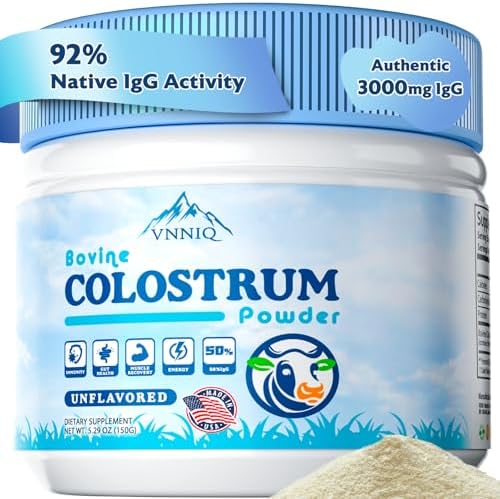
For adults, the use of colostrum has expanded into areas such as sports nutrition and overall health enhancement. Bovine colostrum supplements are popular among athletes looking to improve their recovery times and performance. The growth factors present in colostrum can aid muscle repair and reduce exercise-induced inflammation, making these supplements an attractive option for those engaged in rigorous physical activities.
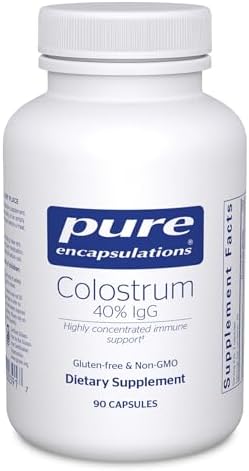
Moreover, colostrum’s potential in supporting digestive health and boosting the immune system has led to its inclusion in various wellness products. Many individuals incorporate colostrum capsules or powders into their daily routines, seeking its benefits for enhancing gut health and providing an immune boost, especially during cold and flu seasons. As research continues to explore the full potential of colostrum, its applications in contemporary nutrition remain a promising area for further development and interest.
Benefits of Colostrum: Why It’s Considered a Superfood
Colostrum, often referred to as a superfood, boasts a multitude of health benefits that have garnered attention from health enthusiasts and researchers alike. One of its most significant advantages lies in its capacity to enhance gut health. Colostrum contains several bioactive compounds, including immunoglobulins, growth factors, and antimicrobial peptides, which collectively work to strengthen the gut lining and support the growth of beneficial gut bacteria. This can lead to improved nutrient absorption and a reduction in gastrointestinal disorders.
Another critical benefit of colostrum is its role in bolstering the immune system. Rich in antibodies and other immune-modulatory components, colostrum can help the body fend off infections and illnesses effectively. Studies have shown that regular intake may shorten the duration of colds and flu, further underscoring its importance in maintaining overall health. Beyond this, the immune-boosting properties of colostrum are particularly valuable for those undergoing physical stress or challenging health conditions, providing additional support during times of increased vulnerability.
In the realm of physical performance, athletes and fitness enthusiasts are increasingly turning to colostrum as a natural supplement to enhance their capabilities. Research indicates that colostrum may promote muscle growth and fat loss, making it an appealing option for those looking to optimize their training outcomes. Its unique composition not only aids in recovery but also contributes to the enhancement of endurance levels, helping athletes reach their goals more effectively.
Beyond these prominent benefits, colostrum has potential applications in managing various health conditions, including allergies, respiratory issues, and even gut-related diseases such as Irritable Bowel Syndrome (IBS). The versatility of colostrum makes it a compelling addition to the modern diet, highlighting its status as a superfood that warrants consideration for anyone interested in boosting their health and well-being.
Potential Downsides of Colostrum: What to Consider
While colostrum is widely recognized for its numerous health benefits, it is equally important to consider potential downsides associated with its consumption. One of the main concerns involves allergic reactions. Individuals who are sensitive to dairy products or have a known allergy to bovine proteins may experience adverse effects upon ingesting colostrum derived from cows. Symptoms can range from mild gastrointestinal discomfort to more severe reactions, such as hives or anaphylaxis in extreme cases. Therefore, it is crucial for those with existing allergies to consult healthcare professionals before introducing colostrum into their diet.
Another significant concern is the risk of contamination. Colostrum can sometimes be sourced from animals that may harbor pathogens or bacteria, increasing the risk of foodborne illnesses. This is especially pertinent for those sourcing colostrum from unknown or unregulated suppliers. It is advisable to procure colostrum from reputable manufacturers that adhere to safety and quality standards to mitigate these risks. Additionally, individuals with compromised immune systems or pre-existing health conditions should exercise caution, as they may be at an enhanced risk of adverse effects from contaminated products.
Moreover, it is prudent to consider potential interactions with medications. Certain components found in colostrum could influence the efficacy of some drugs, necessitating a thorough discussion with a healthcare provider before use. Individuals taking prescriptions or undergoing treatment for specific conditions should therefore be particularly cautious. Overall, while colostrum can serve as a valuable supplement, it is imperative to assess these potential downsides carefully and seek professional guidance to ensure its safe inclusion in one’s health regimen.
Research and Future Directions in Colostrum Studies
Recent studies have shed light on the multiple benefits of colostrum, often referred to as “first milk.” This early mammary secretion is rich in nutrients, antibodies, and growth factors, playing a critical role in the development of neonates. As research progresses, scientists are increasingly exploring innovative applications of colostrum in various fields, including nutrition, immunology, and sports performance. One area of growing interest is the potential of bovine colostrum in enhancing gut health. Many studies suggest that the bioactive compounds found in colostrum can support digestive health by fostering a balanced gut microbiome, which may have implications for managing gastrointestinal disorders.
Moreover, recent research has also investigated the efficacy of colostrum in improving recovery and performance in athletes. Various trials have indicated that supplementation with bovine colostrum may enhance immune function, reduce inflammation, and promote muscle repair after intense exercise. These findings are particularly important for individuals engaged in high-performance sports, where recovery and immune health are paramount.
As the scientific community continues to delve deeper into the properties of colostrum, future directions may include comprehensive clinical trials that assess its long-term effects on human health. Research is likely to focus on how colostrum supplementation can influence chronic diseases, metabolic disorders, and overall wellness. Additionally, there is potential for the development of colostrum-based functional foods and dietary supplements, aimed at harnessing its health benefits for the general population.
In conclusion, ongoing and future research is poised to reveal more about the human and animal health benefits of colostrum. As studies evolve and expand, we may see a broader application of this remarkable substance in promoting health and well-being across various demographics.
Conclusion: Making Informed Choices About Colostrum
Throughout this discussion on colostrum, we have explored its numerous advantages, origins, and various considerations surrounding its use. Rich in antibodies, growth factors, and nutrients, colostrum offers a natural means to bolster the immune system, enhance gut health, and support overall wellness. However, it is crucial to note that the benefits may vary based on individual health conditions, dietary requirements, and lifestyle choices.
Understanding the origins of colostrum, primarily derived from the first milk produced by mammals, establishes its significance not only as a nutritional supplement but also as a product borne from nature’s design for newborns. The quality of colostrum can differ based on factors such as the source—whether bovine or from other mammals—and the methods of processing and storage. Consequently, selecting a high-quality colostrum supplement is paramount to ensuring one reaps its intended benefits.
While the potential benefits of colostrum are appealing, it is prudent for consumers to weigh their options carefully. Consulting with healthcare providers before incorporating colostrum into diets or supplementation routines is advisable, particularly for individuals with specific health concerns or those who may be pregnant or breastfeeding. Ethical considerations regarding the sourcing of bovine colostrum, as well as potential allergies, should also be evaluated before making any decisions.
In conclusion, knowledge is power when it comes to dietary supplements like colostrum. By approaching the information presented with a critical mindset, individuals can make informed choices that align with their health goals and values. Whether one chooses to utilize colostrum or not, awareness of its properties and implications ensures a thoughtful approach to personal health and well-being.

(As an Amazon Associate, I earn from qualifying purchases)