Introduction to MCT Oil
MCT oil, or medium-chain triglyceride oil, is a type of dietary fat that is derived from sources such as coconut oil and palm kernel oil. Unlike long-chain triglycerides found in many other fats, MCTs are composed of shorter chains of fatty acids, which allow them to be metabolized more quickly by the body. This unique structure has contributed to their growing popularity in health and nutrition circles, particularly among those seeking to enhance their wellness routines.
The increased interest in MCT oil can be attributed to its versatile applications in various dietary practices, including ketogenic, paleo, and low-carb diets. Many health enthusiasts and professionals advocate for the inclusion of MCT oil in everyday nutrition due to its reputed ability to support energy levels, enhance cognitive function, and aid in weight management. As it is absorbed rapidly into the bloodstream, MCT oil provides a quick source of energy, making it an attractive option for athletes and individuals with active lifestyles.
Beyond its energetic benefits, MCT oil has also been linked to potential improvements in gut health, immune function, and even enhanced metabolic processes. As more people become conscious of their dietary choices, MCT oil has emerged as a popular supplement, finding its way into smoothies, salad dressings, and various recipes. Its remarkable adaptability allows it to be seamlessly incorporated into daily meals without drastically changing the flavor profile.
In light of these growing trends and interests surrounding MCT oil, it becomes essential to delve deeper into its unique properties, advantages, and considerations, providing a comprehensive overview that will aid in understanding its role in modern nutrition.
Understanding MCT Oil: Usage and Applications
MCT oil, derived from medium-chain triglycerides, is increasingly popular for its versatility in various dietary applications. Its unique properties make it a favored choice among those seeking to enhance energy levels and improve overall health. One common way to incorporate MCT oil into daily life is by adding it to cooking. Because of its high smoke point, MCT oil can be used for sautéing vegetables or as a base for salad dressings. Its mild flavor allows it to blend seamlessly in various cuisines without altering taste profiles.
In addition to cooking, MCT oil is gaining traction as a popular ingredient in beverages, particularly coffee. The concept of adding MCT oil to coffee, popularly known as “bulletproof coffee,” aims to provide sustained energy and mental clarity throughout the day. Athletes often utilize this combination to boost performance and enhance stamina during workouts.
Smoothies are another excellent medium for incorporating MCT oil. Whether mixed with fruits, greens, or protein powders, a tablespoon of MCT oil can significantly elevate the nutrient density of a smoothie while offering additional fats conducive to a balanced low-carb diet. Furthermore, MCT oil is available in dietary supplement form, appealing to those looking for a quicker and more straightforward option for adding medium-chain triglycerides to their diet.
Certain demographics stand to benefit particularly from MCT oil’s properties. For instance, athletes may appreciate the rapid and accessible energy that MCTs provide when consumed before or after exercise. Individuals adhering to ketogenic or low-carb diets often incorporate MCT oil to help achieve and maintain ketosis. In contrast, those seeking weight management solutions may find MCT oil effective in promoting satiety, thus supporting calorie control. Overall, integrating MCT oil into daily routines can promote wellness across various lifestyles.
The Science Behind MCT Oil: Origins and Composition
MCT oil, or medium-chain triglyceride oil, has gained popularity in recent years due to its potential health benefits and versatile uses. It is derived primarily from coconut oil and palm oil, both of which are rich sources of medium-chain fatty acids. The extraction process usually involves hydrolysis, where glycerides are broken down, allowing for the isolation of the medium-chain triglycerides.
The system of fats can generally be categorized into three groups: short-chain, medium-chain, and long-chain fatty acids. MCTs, as their name suggests, consist of medium chain fatty acids that typically contain between six and twelve carbon atoms. This unique structure differentiates MCTs from long-chain fatty acids, commonly found in foods such as butter, meat, and most plant oils. The distinct properties of MCTs facilitate their metabolism: they are absorbed directly into the bloodstream and transported to the liver, where they can be utilized for energy or converted into ketones.
Within the category of medium-chain triglycerides, there are several noteworthy types, including caprylic acid (C8) and capric acid (C10). Caprylic acid, known for its potential antimicrobial properties, may support gut health and provide a rapid source of energy. Capric acid, on the other hand, is also considered beneficial for boosting cognitive function and enhancing endurance during physical activity. The combination of these fatty acids in MCT oil contributes to its appealing profile, promoting faster absorption and a more efficient energy source compared to long-chain fatty acids.
Understanding the origins and composition of MCT oil is crucial for anyone looking to incorporate this product into their dietary regimen, especially in the context of its unique metabolic pathways and potential health benefits.
Health Benefits of MCT Oil
MCT oil, derived from medium-chain triglycerides, offers a range of health benefits that have gained attention in recent years. One of the most well-documented advantages of MCT oil is its potential to promote weight loss. Research indicates that MCTs may increase the feeling of fullness, which can help individuals reduce their overall caloric intake. Moreover, MCTs are metabolized differently from long-chain fatty acids; they are rapidly absorbed and used for energy, potentially leading to a higher energy expenditure and fat oxidation.
Another significant benefit of MCT oil is its ability to boost energy levels. Athletes often incorporate MCT oil into their diets as a quick source of energy before and after workouts. Studies have shown that MCTs can enhance endurance and improve exercise performance. This is attributed to the fact that MCTs can provide a readily available source of ketones, which the body uses as an effective fuel alternative, especially during physical exertion.
Cognitive function may also be supported by the incorporation of MCT oil into one’s diet. Research suggests that the ketones produced from MCT metabolism can be utilized by brain cells as an energy source, which may enhance cognitive performance. This is particularly noteworthy for individuals with neurodegenerative conditions such as Alzheimer’s disease, where the brain’s ability to utilize glucose is compromised. Some studies indicate that MCT oil might help mitigate cognitive decline in these patients by providing an alternative energy source.
Furthermore, MCT oil has been shown to have therapeutic effects in managing certain health conditions. For instance, it is commonly used in the dietary management of epilepsy, especially in children who do not respond to traditional treatments. The ketogenic diet, which is rich in MCTs, has been found to reduce the frequency of seizures in some individuals. Overall, the multifaceted benefits of MCT oil make it a valuable addition to a balanced diet.
Potential Downsides and Considerations
While MCT oil is widely celebrated for its potential health benefits, it is important to recognize that it may not be suitable for everyone. As with any supplement, there are potential downsides and considerations that should be noted. One prevalent issue reported by users is digestive discomfort. MCT oil can cause gastrointestinal symptoms such as bloating, diarrhea, and cramping, particularly when consumed in excessive amounts. Individuals who are new to MCT oil should start with small doses, gradually increasing to assess their tolerance and to mitigate potential digestive issues.
Another considerable aspect is the calorie content of MCT oil. While it can be an effective source of quick energy, it is calorie-dense. Therefore, individuals who are monitoring their caloric intake for weight management should be cautious. Incorporating MCT oil into a balanced diet should be done thoughtfully to prevent unintended weight gain.
Furthermore, certain populations need to exercise caution when considering MCT oil. For instance, people with liver conditions should consult their healthcare providers before introducing MCT oil into their diets, as the liver plays a crucial role in metabolizing fats. Additionally, individuals following ketogenic diets should also evaluate their overall fat intake, ensuring that MCT oil does not disrupt their dietary balance. Pregnancy and breastfeeding are other periods where dietary changes should be approached with care; thus, consulting with a healthcare professional is advisable for those in such situations.
In conclusion, while MCT oil can be a beneficial addition to the diet for many, it is important to remain aware of its potential downsides and to consider personal health circumstances. Moderation is key, and individuals should always prioritize balanced dietary practices to achieve optimal health outcomes.
How to Choose the Right MCT Oil
Selecting the appropriate MCT oil requires careful consideration of various factors to ensure you are investing in a high-quality product. One of the primary aspects to evaluate is the source of the oil. MCTs are typically derived from coconut oil or palm kernel oil, with coconut oil being the most preferred due to its sustainable and ethical sourcing practices. Always opt for products that specify their origin, as this helps guarantee that you are purchasing a premium oil.
Processing methods are another critical factor. MCT oils should undergo minimal processing to retain their vital nutrients. Cold-pressed extraction is the most favorable method, as it preserves the oil’s natural properties without the use of harmful solvents. Moreover, it is essential to check for certifications, such as organic or non-GMO, which often indicate higher quality and purity.
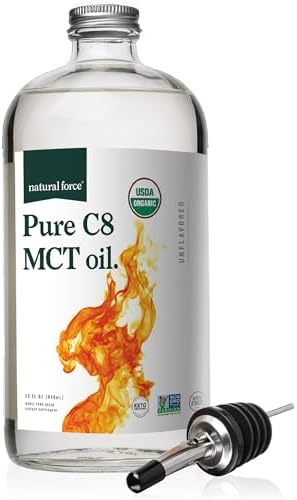
The purity levels of MCT oil can also significantly impact its efficacy. Ideally, you should look for MCT oils that contain a higher concentration of caprylic (C8) and capric (C10) acids, as these are the most beneficial types of MCTs. Read the product labels to ensure that they list the specific composition of fatty acids. Additionally, being aware of additives is crucial; avoid products that contain fillers, artificial flavors, or preservatives, as these can dilute the health benefits of MCT oil.
Lastly, consider the brand reputation. Reputable brands often provide transparency about their products, including third-party testing results. Some well-respected brands in the MCT oil market include Quest Nutrition, Perfect Keto, and Bulletproof, which are known for their high-quality standards. By taking these factors into account, consumers can confidently select the right MCT oil that meets their health needs and preferences.
Incorporating MCT Oil into Your Diet: Tips and Recipes
Incorporating MCT oil into your diet can be a seamless experience, offering numerous culinary possibilities while enhancing your nutritional intake. Start by determining the appropriate dosage to suit your individual needs. A common recommendation is to begin with one teaspoon, gradually increasing to one to three tablespoons per day, depending on your tolerance and health goals. It is essential to monitor how your body responds to MCT oil, as some individuals may experience gastrointestinal discomfort when taking it in higher amounts.
One of the simplest ways to incorporate MCT oil is to add it to your morning coffee or tea. Prepare your beverage as usual and stir in a teaspoon of MCT oil for an energy boost. This popular practice not only enhances flavor but also promotes mental clarity. Another delicious option is to blend MCT oil into smoothies. Combining fruits, vegetables, and a tablespoon of MCT oil in a blender creates a satisfying, nutrient-dense drink that supports both wellness and convenience.
For those who enjoy cooking, MCT oil can be used as a salad dressing base. Mix equal parts of MCT oil with vinegar or lemon juice, and add herbs and spices for a flavorful dressing. Additionally, consider adding MCT oil to sauces or marinades, as it can withstand higher cooking temperatures. However, to preserve the oil’s beneficial properties, use it sparingly in hot cooking methods and consider drizzling it over prepared dishes or roasting vegetables for added flavor.
When preparing baked goods, MCT oil can replace traditional oils or fats, providing a healthful alternative. Try substituting half of the butter or oil in your recipe with MCT oil. This practice can contribute to healthier snacks without compromising taste. By exploring these practical tips and embracing various recipes, incorporating MCT oil into your meals becomes an enjoyable and beneficial endeavor.
Frequently Asked Questions About MCT Oil
MCT oil, derived from medium-chain triglycerides, has garnered significant attention for its potential health benefits and use in various dietary practices. One of the most common questions regarding MCT oil pertains to its safety. Generally, MCT oil is considered safe for most individuals when taken in appropriate amounts. However, excessive consumption can lead to gastrointestinal discomfort, including diarrhea and cramping. It is wise for individuals, especially those with sensitive digestive systems, to start with smaller doses and gradually increase as tolerated.
Another frequent inquiry focuses on the effectiveness of MCT oil for weight loss and energy enhancement. Numerous studies suggest that MCT oil may assist with weight management by promoting a feeling of fullness and potentially increasing energy expenditure. The rapid metabolism of these triglycerides provides quicker energy compared to longer-chain fats, making it a favored choice among athletes and fitness enthusiasts. Nevertheless, it is essential to remember that MCT oil should complement a balanced diet rather than replace whole food sources of fats.
When comparing MCT oil to other oils, such as olive or coconut oil, it is crucial to understand that the primary distinction lies in the composition of fatty acids. MCT oil is predominantly made up of medium-chain fats, which the body can readily convert into energy. This contrasts with olive oil, which contains mainly long-chain fatty acids known for their heart-healthy properties. Thus, while all oils have their benefits, MCT oil caters specifically to those seeking optimized energy levels or supporting certain dietary protocols, such as ketogenic diets.
Lastly, dietary considerations arise for those specific to certain lifestyles or medical conditions. For instance, people with certain metabolic disorders may find MCT oil beneficial, as it can serve as an energy source without relying on glucose. However, those with specific medical advice should always consult healthcare providers prior to adding new supplements to their diets.
Conclusion: Is MCT Oil Right for You?
Throughout this guide, we have explored various aspects of MCT oil, its uses, benefits, and potential considerations for inclusion in a dietary regimen. Medium-chain triglycerides (MCTs), derived from sources such as coconut oil and palm kernel oil, are known for their rapid absorption and conversion into energy. This unique characteristic can be particularly advantageous for individuals seeking to enhance their athletic performance, sustain energy levels during fasting, or support weight management. Additionally, MCT oil may play a role in bolstering cognitive function, making it appealing to those interested in improving mental clarity and focus.
However, it is essential to recognize that the incorporation of MCT oil into one’s diet is not universally beneficial. Individual health needs can vary significantly based on personal factors such as age, lifestyle, metabolic health, and pre-existing medical conditions. Thus, while some may experience enhanced energy levels or improved cognitive performance from MCT oil, others may encounter gastrointestinal discomfort or adverse reactions. Consequently, evaluating one’s own health situation is crucial before deciding to add this supplement to the diet.
Furthermore, consulting with a healthcare provider is highly advisable prior to integrating MCT oil, especially for individuals managing chronic conditions such as liver disease, pancreatitis, or those on specific dietary restrictions. Healthcare professionals can provide tailored guidance based on an individual’s comprehensive medical history and current health profile. As with any dietary change, moderation and informed choices are key to maximizing the potential benefits of MCT oil while minimizing risks.

(As an Amazon Associate, I earn from qualifying purchases)