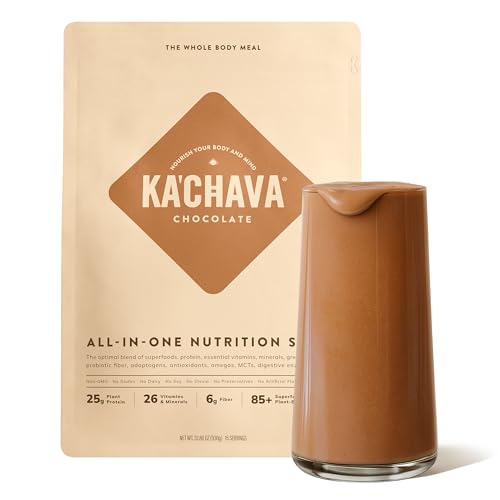
- YOUR GO-TO WHOLE BODY MEAL: Fuel your body with plant-based ingredients including pea protein, sacha inchi, maca root, k…
- WHOLE-BODY HEALTH: This isn’t just protein powder – it goes beyond your average meal replacement shake. It’s an everythi…
- UNMATCHED TASTE & TEXTURE: Most vegan meal replacement shakes taste earthy or gritty. Ka’Chava is rich, creamy, and smoo…
(As an Amazon Associate, I earn from qualifying purchases)
Introduction to Meal Replacement Drinks
Meal replacement drinks are nutritional products designed to substitute a regular meal, offering a blend of essential vitamins, minerals, proteins, carbohydrates, and fats. They cater to a range of dietary needs, providing a convenient option for individuals who may lack the time or resources to prepare wholesome, balanced meals. The primary intention behind these beverages is to ensure that individuals receive adequate nutrition even when they cannot consume traditional food.
In recent years, the demand for meal replacement drinks has surged significantly, a trend highlighted by a report that indicates the global meal replacement market reached over $6 billion in 2020, with expectations to grow further. This rising popularity can be attributed to various lifestyle factors including busy work schedules, dietary preferences such as veganism or ketogenic diets, and an increasing focus on health and wellness. Additionally, modern consumers are drawn to the idea of convenience and portability that these drinks offer, making them ideal for on-the-go use.
Beyond convenience, meal replacement drinks serve as an effective solution for those aiming to manage their weight. Studies have shown that incorporating meal replacements into one’s diet can assist in calorie control and promote satiety, which ultimately supports weight loss efforts. Furthermore, they provide a practical solution for individuals with specific nutritional needs, such as athletes recovering after intense workouts or people with medical conditions requiring specialized diets.
However, while they offer various advantages, meal replacement drinks are not without potential downsides. It is important to acknowledge that relying solely on these products may lead to nutritional imbalances if not integrated mindfully into a balanced diet. Understanding the role these products play in modern nutrition is crucial as we delve deeper into their usage, benefits, and considerations in subsequent sections.
How to Use Meal Replacement Drinks
Incorporating meal replacement drinks into one’s daily diet can significantly streamline meal planning and support various health goals. These beverages are designed to provide a balance of nutrients, making them an effective option for those seeking to manage their weight, maintain energy levels, or simply supplement their nutrition. Understanding when and how to use these products is essential for maximizing their benefits.
Meal replacement drinks can be utilized in multiple ways throughout the day. For instance, they may serve as a quick breakfast option for busy individuals, ensuring that essential nutrients are consumed even on tight schedules. Consuming a meal replacement drink in the morning can support metabolic activity and provide sustained energy until the next meal. Furthermore, these drinks can be integrated as a mid-morning or afternoon snack to stave off hunger without resorting to unhealthy options.
When considering serving sizes, it is crucial to adhere to the recommendations provided on the product packaging. Typically, a meal replacement drink is designed to provide approximately 200 to 400 calories per serving, sufficient to substitute a full meal. However, individual caloric needs may vary based on factors such as age, sex, and activity level. Therefore, mindful selection of the product based on personal dietary requirements is necessary.
Choosing the right meal replacement drink involves evaluating its nutritional profile. Individuals should look for options that offer a balance of macronutrients, including proteins, carbohydrates, and healthy fats, as well as essential vitamins and minerals. Additionally, it is important to consider any specific dietary restrictions, whether for health reasons or personal preference, ensuring that the chosen drink aligns with one’s lifestyle and fitness goals. By understanding these factors, meal replacement drinks can effectively contribute to a balanced diet.
The Role of Meal Replacement Drinks in Nutrition
Meal replacement drinks have emerged as a popular option for individuals seeking a convenient way to meet their nutritional needs. These products are specially formulated to offer a balanced mix of essential nutrients, including proteins, carbohydrates, fats, vitamins, and minerals. By providing a concentrated source of nutrition in a liquid form, meal replacement drinks can effectively contribute to a well-rounded diet. Their role in nutrition is particularly significant for diverse populations, including athletes, busy professionals, and individuals aiming to manage their weight.
Athletes often require increased caloric intake and specific nutrient ratios to support intense training regimens. Meal replacement drinks can serve as a practical solution, aiding in recovery and fueling preparation efforts. Such drinks help replenish lost nutrients and promote muscle repair, making them an integral part of athletic nutrition. Additionally, the ease of consumption and portability of these beverages ensures that athletes can maintain their dietary regimen, even amidst hectic schedules.
For busy professionals who may skip meals due to time constraints, meal replacement drinks provide a viable alternative. They offer a quick and nutritious option, enabling individuals to stay energized while managing their work responsibilities. By incorporating these drinks into their daily routine, busy professionals can avoid the pitfalls of unhealthy snacking and maintain optimal levels of productivity.
Weight management is another crucial aspect where meal replacement drinks play a role. For those looking to lose weight or maintain a healthy weight, these drinks can assist in portion control and reduce overall caloric intake. Properly formulated meal replacement drinks can promote satiety while still delivering necessary nutrients, making them an invaluable tool for weight-conscious individuals.
In essence, meal replacement drinks fulfill a multifaceted role in nutrition, catering to the needs of various groups while enhancing their dietary framework. By integrating these drinks into one’s diet, individuals can ensure they meet their nutritional requirements effectively.
The Origin of Meal Replacement Drinks
Meal replacement drinks have a fascinating history that traces back several decades. Initially developed in the mid-20th century, these products were designed to cater to specific nutritional needs and provide a convenient alternative to traditional meals. The first commercial meal replacement drinks emerged in the 1960s, targeting individuals seeking weight management solutions.
One of the earliest formulations was SlimFast, launched in 1977, which gained popularity for promoting weight loss through calorie restriction while still offering balanced nutrition. This product demonstrated that meal replacements could assist in dieting without significant inconvenience, allowing users to replace meals while still receiving essential vitamins and minerals.
Over the years, the market for meal replacement drinks saw considerable evolution, driven largely by advancements in nutritional science. The 1980s and 1990s ushered in a wave of innovation, with brands like Ensure and Boost positioning their products as not just meal replacements but as supplements that could meet specific dietary needs, including for the elderly or those recovering from illness.
The turn of the millennium marked the advent of new formulations that focused on whole-food ingredients, catering to consumers increasingly aware of the importance of holistic nutrition. Brands such as Soylent emerged, aiming to provide a complete meal in a convenient liquid form, appealing particularly to busy professionals and those seeking to streamline their diets.
Today, the market for meal replacement drinks continues to grow, offering an array of choices, from vegan options to those enriched with protein or fiber. The diverse landscape of these drinks reflects both changing consumer preferences and advances in food technology. Major players such as Huel and Orgain have further refined these products, integrating high-quality ingredients and catering to a broader audience, thus solidifying the role of meal replacement drinks in contemporary diets.
Key Benefits of Meal Replacement Drinks
Meal replacement drinks have gained significant traction in recent years, attributed to their multitude of advantages, which cater to varied lifestyles and nutritional needs. One of the most prominent benefits is convenience. These drinks offer a quick and easy solution for individuals who may struggle to find time for traditional meals due to their busy schedules. Instead of preparing a full meal, consumers can simply shake or blend a meal replacement drink, thereby facilitating seamless integration into daily routines.
Another key advantage of meal replacement drinks pertains to weight management. Many formulations are designed to be lower in calories yet high in essential nutrients, making them an effective option for those looking to lose weight or maintain a healthy weight. By substituting one or two meals a day with these drinks, individuals can create a calorie deficit while ensuring they receive critical vitamins and minerals, which can support overall health.
Nutritional balance is also an essential feature of meal replacement drinks. Unlike typical snacks, these drinks often contain a balanced combination of macronutrients—proteins, carbohydrates, and fats—alongside vitamins and minerals. This makes them especially beneficial for athletes, who require adequate nutrition to fuel their workouts and facilitate recovery. Additionally, individuals with specific dietary needs, such as those following vegan or gluten-free diets, can find tailored options to support their health goals.
Time-saving aspects further enhance the appeal of meal replacement drinks. For professionals, students, and anyone managing a hectic lifestyle, these drinks eliminate the need for meal prep and cooking, allowing them to focus on their daily tasks without sacrificing nutritional intake. Thus, meal replacement drinks serve as a pragmatic solution for diverse populations seeking to enhance their dietary habits effectively.
Potential Downsides of Meal Replacement Drinks
While meal replacement drinks can offer convenience and nutritional benefits, they are not without potential downsides. One concern among health professionals is the risk of over-reliance on these products. Individuals who frequently substitute whole meals with meal replacements may inadvertently neglect the importance of consuming a diverse array of whole foods, which are essential for a balanced diet. Over time, this could lead to an insufficient intake of crucial nutrients that are more abundantly found in natural foods.
Another significant point of contention is the possibility of nutrient gaps. Although many meal replacement drinks are fortified with vitamins and minerals, they may not provide the complete nutrition that a balanced meal would offer. For instance, the fiber content in a drink may be lower than that found in whole fruits, vegetables, and grains, which are integral for digestive health. Furthermore, certain essential fatty acids and phytonutrients that contribute to overall well-being might be lacking in these beverages.
Taste is another criticism associated with meal replacement drinks. Many consumers report dissatisfaction with the flavor and texture of these products, which can make consistent usage less appealing. This can potentially lead to abandoning the drinks in favor of less healthy options that offer more satisfying flavors. Lastly, while meal replacement drinks may be a convenient option for those on the go, they should not be considered a complete substitute for traditional meals. The ritual of eating contributes to psychological satisfaction and social interactions that are important for mental health.
Overall, while meal replacement drinks can be beneficial in certain contexts, awareness of their limitations is essential for maintaining a truly balanced and nutritious diet.
Choosing the Right Meal Replacement Drink
When it comes to selecting a meal replacement drink, understanding your individual needs and preferences is paramount. Start by evaluating product labels carefully. The ingredient list can reveal a lot about the quality of the drink. Ideally, you should look for drinks that contain whole food ingredients and avoid those with artificial additives and preservatives. A shorter ingredient list is generally indicative of a more wholesome product.
Protein content is another critical factor to consider. Different meal replacement drinks offer varying levels of protein, which is essential for muscle maintenance and satiety. Aim for a drink that contains at least 15-20 grams of protein per serving. Additionally, the source of protein is significant; options such as whey, casein, soy, or pea protein cater to different dietary preferences, including those who are vegan or lactose intolerant.
Flavor is also an important consideration, as it can significantly affect the overall experience of consuming the drink. Many brands provide a variety of flavor options, so choose a flavor that appeals to you to ensure that you enjoy the experience and remain consistent in your consumption. Furthermore, take note of sugar levels. Some meal replacement drinks are loaded with added sugars, which can undermine health goals. A good rule of thumb is to choose drinks that contain 5 grams of sugar or less per serving.
Lastly, it’s wise to consider dietary preferences or restrictions, such as gluten-free or dairy-free options. Many brands now cater to these needs, providing specialized meal replacement drinks that fit different lifestyles. Always remember that the best meal replacement drink is one that aligns with your personal health goals while satisfying your taste and dietary requirements.
Incorporating Meal Replacement Drinks into Your Lifestyle
Integrating meal replacement drinks into your daily routine can offer convenience and nutritional support, particularly for those with busy lifestyles. One effective strategy is to treat these drinks as supplements rather than sole meal substitutes. When using meal replacement drinks, consider pairing them with whole foods to enhance nutrient intake and satisfaction. For example, a protein shake can be combined with a banana or a handful of berries to provide additional vitamins and fiber, creating a well-rounded snack or meal.
Another approach to incorporation is through creative recipes. Meal replacement drinks can serve as a base for smoothies or smoothies bowls. Adding spinach, nut butter, or yogurt can not only increase the nutritional value but also enhance flavor and texture. You might consider blending a chocolate protein shake with a banana and a tablespoon of almond butter, providing a delicious, nutrient-dense option that can be enjoyed at any time of day.
Effective meal planning is also crucial for seamless integration. Planning out your meals and snacks for the week can help ensure that you are using meal replacement drinks in a balanced manner. For instance, establish one or two days a week where you rely on these drinks for breakfast, allowing more time for meal prep on other days. This method can ease the stress of daily cooking while ensuring that nutritional goals are met.
It’s important to incorporate meal replacement drinks thoughtfully, ensuring they fit within your overall dietary strategy. Being mindful of portion sizes and nutritional content will promote a healthy balance between drinks and whole foods. By applying these strategies, you can successfully integrate meal replacement drinks into your lifestyle for improved convenience and well-being.
Conclusion: Balancing Meal Replacement Drinks in Your Diet
Meal replacement drinks have gained popularity as convenient options for those seeking to manage their nutrition amidst a busy lifestyle. Throughout this guide, we have explored their usage, benefits, and the essential role they can play in a well-rounded dietary approach. While these drinks offer a practical solution for busy individuals or those aiming to lose or maintain weight, it is critical to recognize that they should not completely replace whole foods. Balanced nutrition is fundamental for optimal health, and meal replacements should be integrated thoughtfully into one’s diet.
Incorporating meal replacement drinks allows for flexibility and convenience, particularly when it comes to ensuring that busy schedules do not compromise nutritional goals. However, relying solely on these beverages can lead to nutritional deficiencies over time, as they may lack certain essential nutrients and phytonutrients that whole foods provide. Therefore, it is advisable to use these drinks as supplements to a regular balanced diet rather than as a standalone solution.
Moreover, choosing meal replacement drinks that align with personal health goals and preferences is paramount. Products vary significantly in terms of ingredients and nutritional profiles. Therefore, making informed choices about which drinks to include in one’s diet can enhance the overall efficacy of meal replacements. Mindfulness in decision-making around nutrition fosters a healthier lifestyle, emphasizing the importance of whole, nutrient-dense foods alongside meal replacement options.
In concluding, meal replacement drinks can indeed have a place in a holistic dietary approach, provided they are used judiciously. The key lies in striking a balance—utilizing these drinks to complement a nourishing diet and fostering a lifestyle that prioritizes health and well-being.