Introduction to Beta Alanine
Beta alanine is a non-essential amino acid that has garnered significant attention in the realms of health and fitness. Although it is not one of the twenty standard amino acids typically utilized for protein synthesis, beta alanine performs crucial roles in the body, particularly in enhancing athletic performance and improving exercise endurance. Its classification as a non-essential amino acid means that the body can synthesize it from other amino acids, such as L-alanine and L-histidine, which can make it less familiar to the general public compared to its more well-known counterparts.
In the context of fitness and exercise, beta alanine is particularly recognized for its role in the production of carnosine, a di-peptide that helps to buffer acid in muscles during high-intensity exercise. Elevated levels of carnosine can lead to decreased muscle fatigue and enhanced performance, especially in short bursts of high-intensity workouts. As a result, beta alanine supplementation has gained popularity among athletes, bodybuilders, and fitness enthusiasts who are seeking to improve their training outcomes.
Furthermore, the rising trend of fitness culture has positioned beta alanine as a sought-after supplement. Its efficacy in increasing performance capacity, coupled with a rising body of research supporting its benefits, has made it a staple in many dietary regimens tailored for athletes. Users often report improved endurance during intense workouts, making it an attractive option for those engaged in sports requiring sustained physical exertion.
Ultimately, beta alanine’s significance in the realm of health and fitness cannot be understated. Its ability to enhance physical performance aligns with the goals of many individuals seeking to optimize their exercise regimens, shedding light on a powerful compound that warrants further exploration.
The Role of Beta Alanine in the Body
Beta alanine is a non-essential amino acid that plays a crucial role in the production of carnosine, a dipeptide composed of beta alanine and histidine. Carnosine is primarily stored in skeletal muscles, where it serves as an important buffer against acidification during high-intensity exercise. When muscles are subjected to rigorous activity, they generate lactic acid, leading to a decrease in pH levels that can contribute to fatigue and diminished performance. The presence of carnosine helps to mitigate this acidity, allowing for improved endurance and prolonged exertion during bouts of intense activity.
This buffering capacity is particularly beneficial for athletes involved in explosive, short-duration sports, such as sprinting, weightlifting, and interval training. Research has shown that supplementing with beta alanine can significantly elevate muscle carnosine levels, enhancing athletic performance by delaying the onset of muscular fatigue. This enhancement is primarily attributed to its ability to facilitate a higher power output during successive bouts of intense exercise.
In addition to its role in acid buffering, beta alanine may enhance overall exercise capacity and increase time to exhaustion during high-intensity workouts. This can be particularly advantageous for athletes seeking to optimize training performance and competitive results. Furthermore, the effects of beta alanine are not limited to professional athletes; recreational fitness enthusiasts can also benefit from improved performance metrics and reduced fatigue.
As part of the body’s biochemical processes, beta alanine’s contribution to the synthesis of carnosine is significant. By understanding how this amino acid functions, individuals can make informed decisions regarding supplementation to support their athletic endeavors and overall fitness goals.
Origins of Beta Alanine
Beta alanine is a naturally occurring beta-amino acid that has garnered attention for its role in enhancing athletic performance and overall physical endurance. Found in particular foods, beta alanine serves as a crucial component for synthesizing carnosine, a dipeptide that helps buffer acid in muscles during high-intensity exercise. This buffering action is what makes beta alanine a popular choice among athletes and fitness enthusiasts alike.
Natural sources of beta alanine include animal products, particularly meat and fish. Foods such as chicken, turkey, beef, and various types of seafood contain significant amounts of this amino acid. While plant-based sources of beta alanine are scarce, individuals following vegetarian or vegan diets may consider supplementation to ensure adequate intake. This is particularly relevant as beta alanine is not classified as an essential amino acid, meaning the body can produce it, but only in limited amounts.
The synthesis of beta alanine in the human body predominantly occurs through the breakdown of the amino acid L-alanine and the degradation of certain dipeptides like carnosine and anserine. However, the levels produced endogenously may not suffice for individuals engaging in regular intense physical activity, warranting the use of dietary supplements. The first recorded discoveries of beta alanine date back to the 19th century, with scientific exploration increasing significantly in subsequent decades. Research has expanded to examine its potential effects on exercise performance, recovery, and muscle growth.
Overall, understanding the origins of beta alanine is essential for both casual users and dedicated athletes. By recognizing its natural sources and the body’s synthesis processes, individuals can make informed decisions about supplementation and dietary choices to optimize their performance and health.
Benefits of Beta Alanine Supplementation
Beta alanine, a non-essential amino acid, has generated significant interest due to its potential benefits in exercise performance and overall fitness. One of the most notable effects of beta alanine supplementation is its ability to enhance exercise performance. When ingested, beta alanine combines with histidine to form carnosine, a dipeptide that acts as a buffer against acid accumulation in muscles during high-intensity activities. This buffering capacity helps to delay muscle fatigue, enabling athletes and fitness enthusiasts to perform at higher intensities for longer durations.
Numerous scientific studies have demonstrated that beta alanine supplementation can lead to improved endurance. Research indicates that individuals who take beta alanine may experience increased time to exhaustion and enhanced performance in high-intensity exercises lasting between one to four minutes. This endurance boost is particularly beneficial for athletes engaged in sports that require repeated bouts of high-intensity efforts, such as sprinting or weightlifting. Furthermore, fortified endurance in prolonged activities helps individuals achieve their fitness goals more efficiently, leading to increased motivation and adherence to training regimens.
Another significant advantage associated with beta alanine is its potential role in promoting muscle mass, especially for those partaking in resistance training. By enhancing performance and reducing the perception of fatigue, beta alanine may allow for more intense and prolonged weight training sessions, which in turn can stimulate muscle hypertrophy. Some studies have even suggested that long-term supplementation may lead to greater gains in lean muscle mass, making it an appealing option for bodybuilders and those focused on strength development.
Overall, the benefits of beta alanine supplementation are supported by scientific research, highlighting its role in increasing exercise performance, improving endurance, and potentially enhancing muscle mass for those committed to regular training. These advantages render beta alanine a valuable addition to the supplementation regimen for athletes and fitness enthusiasts alike.
Usage Guidelines for Beta Alanine
Beta alanine is a widely used supplement among athletes and fitness enthusiasts due to its potential to enhance performance during high-intensity activities. Understanding the appropriate usage guidelines is essential for maximizing its benefits while ensuring safety. The recommended dosage of beta alanine typically ranges from 2 to 5 grams per day, depending on individual goals and body weight. For those seeking to improve endurance and decrease fatigue during intense workouts, a higher dosage within this range may be more effective. It is advisable to start with a lower dose and gradually increase it to assess individual tolerance.
The timing of beta alanine supplementation can significantly impact its effectiveness. Many athletes prefer to take it pre-workout to boost their energy levels and performance. However, research suggests that the benefits of beta alanine accrue over time, making consistent daily intake more critical than specific timing related to workout sessions. This cumulative effect underscores the importance of maintaining regular supplementation for optimal results.
Combining beta alanine with other supplements can further enhance its impact. It is often paired with creatine or branched-chain amino acids (BCAAs), as these combinations may synergistically improve performance and muscle recovery. Despite its beneficial properties, caution should be exercised, especially regarding individual tolerance. Some users may experience a tingling sensation, known as paresthesia, which, while harmless, can be uncomfortable. Adjusting the dosage or splitting it into smaller doses throughout the day can help mitigate this effect.
It is also crucial to remain mindful of potential interactions with other supplements or medications. Consulting a healthcare professional before starting a new supplementation regime is recommended, especially for individuals with underlying health conditions or those taking prescription medications. This precaution ensures both safety and efficacy in achieving fitness goals with beta alanine.
Potential Downsides and Side Effects
While beta alanine is commonly regarded as a beneficial supplement for enhancing athletic performance, it is important to acknowledge its potential downsides and side effects. One of the most frequently reported effects of beta alanine supplementation is paresthesia, a condition characterized by tingling sensations, typically affecting the face, neck, and hands. This side effect can vary in intensity depending on the dosage consumed and may cause discomfort for some individuals, although it is generally considered harmless.
Another common side effect associated with beta alanine is gastrointestinal discomfort. Some users may experience symptoms such as stomach cramps, nausea, or diarrhea, particularly if they consume beta alanine in high doses or without adequate hydration. To mitigate these effects, it is often recommended to gradually increase the dosage over time and to take the supplement with meals. This approach may aid in minimizing gastrointestinal distress while maximizing the performance-enhancing benefits of beta alanine.
Moreover, certain individuals should exercise caution or avoid beta alanine supplementation altogether. Those with underlying health conditions, especially those affecting the kidneys or liver, may be at increased risk for adverse reactions. Additionally, pregnant or nursing women, as well as children, should refrain from using beta alanine unless under significant medical supervision. It is critical to consult with a healthcare professional prior to starting any new supplement regimen. This consultation can help identify any potential interactions with existing medications or health conditions, ensuring a safe approach to supplementation.
Being informed about the possible side effects and taking appropriate precautions can help individuals make more informed decisions regarding beta alanine supplementation, ultimately optimizing their health and performance outcomes.
Comparing Beta Alanine to Other Amino Acids
Beta alanine is a non-essential amino acid that has gained popularity, particularly in the realm of athletic performance. Unlike traditional amino acids, which serve primarily as building blocks for protein synthesis, beta alanine plays a critical role in increasing muscle carnosine levels. This increase can help reduce muscle fatigue during high-intensity exercise. When comparing beta alanine to other well-known supplements, such as creatine and L-carnitine, distinct differences in their mechanisms and benefits emerge.
Creatine, another frequently used supplement among athletes, primarily enhances the body’s production of adenosine triphosphate (ATP), which is essential for quick bursts of energy. It tends to improve performance in short-duration, high-intensity activities, making it particularly popular among power athletes and weightlifters. However, whereas creatine focuses on increasing overall energy availability during workouts, beta alanine specifically assists in buffering lactic acid buildup in muscles, thereby prolonging exercise duration.
L-carnitine, on the other hand, is often associated with fat metabolism. It facilitates the transport of fatty acids into the mitochondria for energy production, thereby playing a crucial role in endurance sports. While L-carnitine mainly aids in fat utilization rather than boosting muscle endurance directly, beta alanine provides synergistic benefits when combined with varying supplementation strategies. For example, studies suggest that the co-administration of beta alanine and creatine may produce enhanced muscle mass gains and improved overall performance.
Incorporating beta alanine alongside these other amino acids can result in a comprehensive supplement regimen tailored for specific athletic goals. By leveraging the unique properties of beta alanine, athletes can significantly optimize their performance and achieve a favorable competitive edge.
Real-Life Applications: Athletes and Bodybuilders
Beta Alanine has gained significant attention from athletes and bodybuilders alike, serving as a popular supplement that may enhance performance during high-intensity training. It is an integral part of many athletes’ nutritional regimes, with numerous anecdotal reports highlighting its benefits. Athletes engaged in sports that require short bursts of energy, such as sprinting, cycling, or weightlifting, have frequently noted improvements in their endurance and overall performance after incorporating beta alanine into their routines.
One common experience shared among athletes is that beta alanine supplementation can help buffer lactic acid accumulation in muscles. This property allows for an extended duration of exertion before fatigue sets in. For instance, long-distance runners often cite an increased capacity for prolonged training sessions, which has a direct correlation to improved race times. Bodybuilders report being able to achieve more reps during their workouts, thereby intensifying their muscle-building efforts.
Professional trainers are increasingly recognizing the role of beta alanine in a comprehensive training program. Many consider it a valuable addition due to its ability to enhance performance while assisting in recovery processes. Trainers typically advocate for a combination of beta alanine with other supplements, such as creatine, to create a synergistic effect that promotes strength gains and overall athletic performance. This holistic approach ensures that athletes not only improve during their workouts but also support their muscle growth and recovery activities.
Moreover, testimonials from users have reinforced the importance of proper timing and dosage for maximizing the benefits of beta alanine. Many athletes recommend taking the supplement consistently, with some suggesting daily intake to maintain elevated levels of carnosine in the muscles for optimal effects. Overall, the integration of beta alanine into training regimens has transformed the athletic landscape, promoting enhanced performance and improved results.
Conclusion: Is Beta Alanine Right for You?
In summary, beta alanine is a popular amino acid known for its potential benefits in enhancing athletic performance and exercise capacity. It works primarily by increasing muscle carnosine levels, which helps buffer acid in muscles during high-intensity activities, thereby delaying fatigue. The supplementation of beta alanine can be particularly advantageous for athletes engaged in activities that require short bursts of energy, such as sprinting and weightlifting.
However, while the benefits are noteworthy, it is essential to consider the potential drawbacks. Some individuals might experience side effects such as paraesthesia, a tingling sensation commonly associated with higher doses of the supplement. Furthermore, potential interactions with other supplements or medications should be assessed, especially for those with existing health concerns or conditions. Therefore, consulting with a healthcare professional before incorporating beta alanine into your routine is advisable.
Ultimately, whether beta alanine is a suitable addition to your supplementation regimen depends on your individual fitness goals and health status. For athletes looking to improve performance and delay fatigue, it may prove beneficial. On the other hand, those who are less active or who have specific health considerations might not find it necessary or appropriate. Taking the time to weigh these pros and cons will ensure informed decision-making tailored to your unique circumstances. Individual responses can vary; thus, monitoring your body’s reaction upon starting the supplementation can provide further insights into its efficacy within your fitness plan.
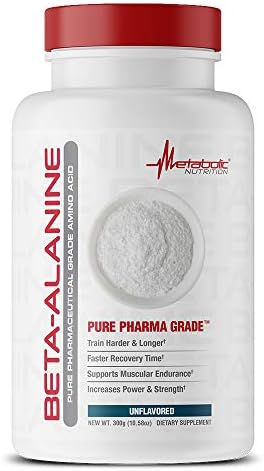


(As an Amazon Associate, I earn from qualifying purchases)