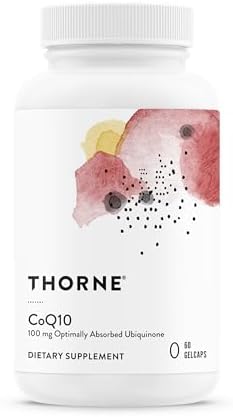
- Cellular Energy: Promotes cellular energy production throughout the body, which in turn supports the body’s energy level…
- Heart Health: Provides cardiovascular support and promotes normal heart rhythm and blood vessel function and helps maint…
- Superior Absorption: An optimally absorbed, proprietary and crystal-free form of coenzyme Q10 in a soy oil base that is …
(As an Amazon Associate, I earn from qualifying purchases)
Introduction to CoQ10
Coenzyme Q10, commonly referred to as CoQ10, is a naturally occurring antioxidant found in the cells of the human body. As a vital component of cellular respiration, CoQ10 plays a crucial role in the production of adenosine triphosphate (ATP), which is the primary energy carrier in all cells. This unique coenzyme is especially concentrated in tissues with high energy demands, such as the heart, liver, and kidneys, highlighting its significance in maintaining overall health and vitality.
One of the primary functions of CoQ10 is its role as a powerful antioxidant. It helps neutralize harmful free radicals, which can cause oxidative stress and contribute to cellular damage. By mitigating this oxidative stress, CoQ10 supports the body’s natural defense mechanisms and may contribute to the reduction of various age-related conditions, making it essential for promoting longevity and overall well-being.
The synthesis of CoQ10 within the body may decline with age or due to certain health conditions, resulting in decreased levels of this important enzyme. This decline underscores the necessity for individuals to be aware of their CoQ10 levels and consider dietary sources or supplementation if necessary. Rich dietary sources of CoQ10 include fatty fish, meat, and whole grains, although many people may benefit from supplements, especially those who follow a vegetarian or vegan lifestyle.
In summary, CoQ10 is an essential component for energy production and serves as a crucial antioxidant in the body. Recognizing its significance not only prepares us for a more profound exploration of its numerous health benefits but also highlights the importance of maintaining adequate levels for optimal human health.
The Role of CoQ10 in the Body
Coenzyme Q10, commonly referred to as CoQ10, plays a pivotal role in multiple biological processes essential for maintaining health. One of its primary functions lies within the mitochondria, where it is integral to the electron transport chain. This chain is crucial for the production of adenosine triphosphate (ATP), which serves as the main energy currency of the cell. The conversion of nutrients into ATP is vital for powering various cellular functions, from muscular contraction to neurotransmission.
Throughout the bioenergetics processes, CoQ10 acts as an electron carrier, facilitating the transfer of electrons between different protein complexes. This electron flow ultimately results in the phosphorylation of adenosine diphosphate (ADP) to ATP, generating energy that the body needs for its myriad functions. A deficiency in CoQ10 can disrupt this process, leading to decreased ATP production and, consequently, a decline in cellular energy levels, which may contribute to fatigue and other health issues.
In addition to its role in energy production, CoQ10 is also recognized for its antioxidant properties. It helps protect cells from oxidative stress by neutralizing free radicals. Oxidative stress is imbalanced between free radicals and antioxidants, leading to cellular damage, aging, and various chronic diseases. By mitigating this damage, CoQ10 not only supports cellular health but also plays a significant role in promoting cardiovascular health, enhancing immune function, and reducing the risk of conditions linked to oxidative stress, such as neurodegenerative diseases.
Thus, the dual function of CoQ10 as an energy producer and antioxidant is essential for optimal body functioning. Understanding these roles clarifies the importance of sufficient CoQ10 levels in sustaining overall health and vitality.
Origin of CoQ10
Coenzyme Q10, commonly referred to as CoQ10, is a naturally occurring compound that plays a vital role in the production of energy within cells. The journey of CoQ10’s discovery began in the 1950s when Dr. Frederick L. Crane and his team at the University of Wisconsin first identified it in the mitochondria of beef heart. This groundbreaking discovery marked a significant milestone in biochemistry, as scientists began to understand the crucial roles that this coenzyme plays in cellular respiration and energy metabolism.
Following its discovery, researchers expanded their work surrounding CoQ10, leading to its recognition as an essential component in the electron transport chain—a series of biochemical reactions that generate adenosine triphosphate (ATP), the primary energy currency of the cell. Because of its integral role in this process, CoQ10’s relevance in maintaining cell functioning and overall health became increasingly evident.
As research evolved, it was found that CoQ10 is not only synthesized by the human body but can also be obtained from certain dietary sources. Foods such as fatty fish, organ meats, and whole grains are recognized for their natural CoQ10 content. This information has propelled interest in dietary supplements containing CoQ10, as individuals seek ways to support their energy levels and overall health, particularly with age-related declines in natural production.
Today, CoQ10 is widely used in supplement form, with many studies investigating its potential benefits for heart health, cellular energy, and even antioxidant properties. Through continuous research, the importance of CoQ10 in both health maintenance and disease prevention is being further validated, establishing it as a valuable compound in nutritional science and public health.
Health Benefits of CoQ10
Coenzyme Q10, commonly known as CoQ10, is a vital substance that plays an essential role in energy production within cells. Numerous studies have highlighted its health benefits, with a focus on cardiovascular health, energy enhancement, cognitive support, and its potential in managing chronic conditions. This compound is primarily concentrated in the heart, liver, kidneys, and pancreas, where it aids in cellular respiration and energy synthesis.
One of the most notable benefits of CoQ10 is its ability to improve heart health. Clinical research indicates that CoQ10 supplementation may help reduce blood pressure and improve overall cardiovascular function. Individuals with heart disease have been observed to benefit from CoQ10, as it can contribute to improved heart muscle function and decrease the risk of complications associated with heart disease.
In addition to its cardiovascular advantages, CoQ10 is associated with enhanced energy levels. This is particularly important for those who experience fatigue due to various health conditions or as a result of aging. By facilitating ATP production, CoQ10 can help restore energy, making individuals feel more vibrant and active. Many athletes also incorporate CoQ10 into their regimes to improve exercise performance and reduce muscle fatigue.
CoQ10’s neuroprotective properties make it a candidate for supporting brain function as well. Some studies suggest that it may play a role in reducing the risk of neurodegenerative diseases, such as Alzheimer’s and Parkinson’s disease. This is attributed to its antioxidant effects, which help protect brain cells from oxidative stress.
Moreover, CoQ10 has shown promise in aiding individuals with chronic conditions such as diabetes and migraines. Research indicates that it may improve insulin sensitivity and reduce the frequency and intensity of migraine attacks, respectively. The potential health benefits of CoQ10 make it a valuable supplement for many individuals, underscoring its importance in maintaining overall health and well-being.
Common Uses of CoQ10
Coenzyme Q10, commonly known as CoQ10, is a naturally occurring antioxidant found in the cells of the body. Primarily, this compound plays a crucial role in energy production and is essential for maintaining cellular health. Its usage as a dietary supplement has gained popularity in recent years, particularly among those seeking to enhance their overall health and well-being.
One of the most common applications of CoQ10 is in the context of cardiovascular health. Research indicates that it may help improve heart function, particularly in individuals with congestive heart failure or those who have experienced heart attacks. The typical recommended dosage for these conditions usually ranges from 100 to 300 mg per day, although it is essential to consult a healthcare provider for tailored recommendations.
In addition to its cardiovascular benefits, CoQ10 has been studied for its potential impact on conditions such as diabetes and neurodegenerative diseases, including Alzheimer’s and Parkinson’s. Many people with diabetes may find benefit from CoQ10 supplementation as it can help improve insulin sensitivity and overall metabolic health. Furthermore, older adults often experience a natural decline in CoQ10 levels, making supplementation particularly beneficial for this group to help boost energy production and cellular function.
Beyond health supplements, CoQ10 is progressively incorporated into skincare products. The antioxidant properties of CoQ10 are believed to protect the skin from damage caused by free radicals, thus contributing to a more youthful appearance. Topical applications in the form of creams or serums often contain concentrations ranging from 0.1% to 1%, promoting skin health and mitigating signs of aging.
Given its diverse range of uses, CoQ10 continues to be a subject of interest for many individuals seeking to enhance their health through supplementation or topical applications. Careful consideration of the appropriate dosage and consultation with healthcare professionals can optimize the benefits of CoQ10 for various health conditions.
Potential Downsides of CoQ10
While CoQ10 is widely regarded for its potential health benefits, it is essential to recognize that there may also be downsides or side effects associated with its supplementation. Awareness of these factors can assist individuals in making informed decisions regarding CoQ10 use.
One of the most notable considerations is the potential for interactions with certain medications. CoQ10 has been found to influence the efficacy of anticoagulants such as warfarin, which can increase blood clotting risks. Additionally, individuals taking medications for diabetes or those undergoing chemotherapy may experience altered effects when CoQ10 is supplemented. As such, it is advisable for individuals on these medications to consult their healthcare provider before initiating CoQ10 supplementation.
Common side effects of CoQ10 are generally mild but can include digestive discomfort, such as nausea, diarrhea, or loss of appetite. Some users may also experience headaches or insomnia. These side effects are relatively rare, but they should still be taken into consideration when evaluating the need for supplementation.
Certain populations may also want to exercise caution with CoQ10 use. Pregnant or breastfeeding women, for example, should avoid supplementation unless specifically advised by a healthcare professional. Additionally, individuals with underlying health conditions, particularly those related to liver diseases, should discuss the implications of taking CoQ10 with a medical professional to ensure safety.
In conclusion, while the potential benefits of CoQ10 supplementation are promising, it is crucial to weigh these against potential downsides. Understanding possible medication interactions, monitoring for common side effects, and being mindful of particular health conditions will enable individuals to make better-informed choices regarding CoQ10 usage.
How to Choose a CoQ10 Supplement
When selecting a CoQ10 supplement, it is essential to consider several factors to ensure you choose a product that best meets your needs. CoQ10 comes in two primary forms: ubiquinone and ubiquinol. Ubiquinone is the oxidized form, which the body converts into its active form, while ubiquinol is the reduced, more bioavailable form. For those seeking faster absorption and greater efficacy, ubiquinol may be the optimal choice. However, ubiquinone products can be an effective option as well, especially for individuals who may not need high levels of CoQ10.
Purity is another critical aspect when choosing a supplement. It is advisable to select products that are free from artificial additives, fillers, and common allergens. Opting for CoQ10 supplements that have undergone third-party testing can provide additional assurance of quality and potency. Moreover, the dosage is an important consideration. Typical daily doses range from 100 mg to 600 mg, depending on individual health goals and conditions; consulting with a healthcare provider can help determine the appropriate dosage for your unique situation.
Brand reputation also plays a vital role in making an informed choice. Well-established brands with positive customer reviews and a history of transparency in their manufacturing processes are often more reliable. Look for labels that provide clear information about ingredient sourcing and manufacturing practices. Lastly, before starting any new supplement regimen, including CoQ10, it is prudent to consult with a healthcare professional. This step is especially critical for individuals with pre-existing health conditions or those taking medications, as CoQ10 can interact with specific treatments. Taking these factors into consideration can lead to a more effective and safer supplementation experience.
Food Sources of CoQ10
Coenzyme Q10 (CoQ10) is a vital nutrient found in various foods, contributing significantly to maintaining overall health. Fatty fish, such as salmon, mackerel, and sardines, are excellent sources of CoQ10. These fish not only provide essential fatty acids that promote cardiovascular wellness but also deliver considerable amounts of this important coenzyme, supporting energy production at the cellular level. Including fatty fish in the diet a few times a week can enhance CoQ10 intake and provide additional health benefits.
Organ meats, particularly heart, liver, and kidney, are also rich in CoQ10. While not as commonly consumed in modern diets, incorporating small portions of these nutrient-dense foods can contribute to higher levels of this coenzyme. Moreover, organ meats are an abundant source of other essential nutrients, such as B vitamins and antioxidants, making them a valuable addition to any balanced diet.
Vegetables like spinach, broccoli, and cauliflower also contain noteworthy amounts of CoQ10, albeit in smaller quantities compared to animal products. Spinach, for instance, can be easily incorporated into salads, smoothies, or cooked dishes to boost nutrient intake. Whole grains, such as oats, wheat germ, and brown rice, provide another avenue for adding CoQ10 through the diet. They not only offer energy-rich carbohydrates but also contribute to a well-rounded nutritional profile that supports overall health and well-being.
Incorporating a variety of these foods into daily meals is essential for obtaining CoQ10 naturally. A balanced diet rich in these sources can aid in maintaining optimal levels of this nutrient, supporting energy production, heart health, and overall vitality. By consciously including these foods, individuals can enhance their nutrient consumption and promote a healthier lifestyle.
Conclusion
In summary, CoQ10, or coenzyme Q10, is an essential compound that plays a critical role in energy production within the cells. Its significance stretches beyond merely supporting cellular function; CoQ10 is also recognized for its potential health benefits, including antioxidant properties and cardiovascular support. As the body ages or undergoes certain health conditions, the natural levels of CoQ10 may diminish, leading to potential deficiencies that could impact overall well-being.
This blog has explored the various aspects of CoQ10, from its biochemical origins to the benefits it can provide when supplemented. The importance of incorporating CoQ10 into one’s health regimen cannot be understated, especially for those seeking to improve heart health, enhance energy levels, or manage oxidative stress. With its role in cell energy, CoQ10 may aid not only in maintaining a healthy metabolism but also in improving quality of life as individuals age.
As dietary sources of CoQ10 can be somewhat limited, individuals may consider dietary supplements to meet their personal health needs. However, it is crucial to approach supplementation thoughtfully. Before incorporating any new supplement, including CoQ10, it is advisable to consult healthcare providers. They can offer personalized advice and recommendations based on one’s specific health profile, lifestyle, and dietary habits.
Ultimately, understanding CoQ10 is an important component in the larger context of health and wellness. By being informed about its benefits and origins, individuals can make more educated choices about their health and the role CoQ10 might play in their lives.