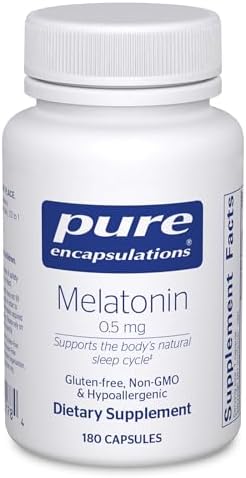
- Gentle Sleep Supplement: Pure Encapsulations Melatonin 0.5 mg provides melatonin, a hormone that naturally regulates the…
- Pineal Gland Support: This sleep formula supports the pineal gland, which regulates natural sleep/wake cycles, ensuring …
- Vegan-Friendly: Melatonin 0.5 mg is suitable for those following a vegetarian diet, plus is also gluten free, vegetarian…
(As an Amazon Associate, I earn from qualifying purchases)
Introduction to Melatonin
Melatonin is a hormone primarily produced by the pineal gland in the brain, playing a crucial role in regulating sleep-wake cycles, or circadian rhythms. This natural hormone is generated in response to darkness, signaling the body that it is time to wind down and prepare for rest. Thus, melatonin levels rise during the evening and fall at dawn, aiding in the initiation and maintenance of sleep.
The significance of melatonin extends beyond merely inducing sleep; it influences various biological processes. For instance, it helps regulate body temperature, hormone levels, and even the immune system. The release of melatonin is influenced by light exposure, whereby increased light during the day can suppress melatonin production, allowing for wakefulness. Conversely, as darkness envelops the environment, melatonin synthesis increases, facilitating the transition into a restful state.
In recent years, melatonin has gained considerable attention as a dietary supplement, particularly for addressing sleep disorders, including insomnia and jet lag. Many individuals turn to melatonin supplements to alleviate difficulties with falling asleep, maintaining sleep throughout the night, or adjusting their internal clocks after long-distance travel. While these supplements are generally regarded as safe and effective for short-term use, it is essential for consumers to approach their use with caution and, ideally, under the guidance of a healthcare professional to determine appropriate dosing and timing.
Overall, understanding melatonin and its function within the body can aid individuals in appreciating its role in sleep regulation and its potential as a therapeutic agent. As research continues to uncover more about this fascinating hormone, individuals may equip themselves with knowledge to navigate their sleep health more effectively.
The Role of Melatonin in Sleep Regulation
Melatonin, often referred to as the sleep hormone, plays a critical role in the regulation of sleep-wake cycles, known scientifically as circadian rhythms. Produced by the pineal gland in response to darkness, melatonin levels begin to rise in the evening, signaling to the body that it is time to prepare for sleep. As night progresses, melatonin concentration peaks, promoting not only the onset of sleep but also enhancing the overall quality of rest. In the early morning hours, the levels of this hormone gradually decline, thus facilitating wakefulness and alertness throughout the day.
The fluctuation of melatonin levels throughout a 24-hour cycle is influenced by several factors, including light exposure. Natural sunlight during the day suppresses melatonin production, helping maintain alertness and cognitive function. Conversely, exposure to artificial lighting in the evening, particularly blue light from screens, can disrupt the natural increase in melatonin levels, often resulting in difficulties falling asleep. Understanding this physiological response to light can be instrumental for individuals looking to improve their sleep hygiene.
Research suggests that melatonin not only assists in sleep initiation but also impacts various aspects of sleep architecture, such as REM and non-REM sleep stages. A well-regulated melatonin cycle can enhance the restorative qualities of sleep, contributing to better mood and cognitive performance during waking hours. Conversely, disrupted melatonin secretion can lead to sleep disorders, insomnia, and overall health deterioration. As a result, maintaining a regular sleep schedule and limiting night-time exposure to disruptive light sources can help optimize natural melatonin production. By fostering these habits, individuals can better align their circadian rhythms, ultimately promoting healthier sleep patterns and improving daytime alertness.
Origin of Melatonin: Natural Sources and Synthesis
Melatonin is a hormone primarily produced in the pineal gland, a small endocrine gland located deep within the brain. Its synthesis is chiefly regulated by the body’s circadian rhythms. The process begins with the conversion of the neurotransmitter serotonin, which is derived from the amino acid tryptophan. Under the influence of darkness, serotonin undergoes a transformation into melatonin, enabling the body to regulate sleep-wake cycles effectively.
Natural melatonin synthesis is closely tied to the light-dark cycle. Exposure to light, particularly blue wavelengths, inhibits the production of melatonin, thereby keeping the individual awake and alert. Conversely, in the absence of light, melatonin levels rise, facilitating sleepiness and aiding in the transition to rest. This physiological response is crucial for maintaining robust sleep patterns and overall well-being.
In addition to endogenous production, melatonin can be absorbed through dietary sources. Certain foods are known to contain melatonin or stimulate its production. For example, foods such as tart cherries, grapes, tomatoes, olives, and salmon are recognized for their melatonin content. Additionally, nuts like almonds and walnuts can enhance serotonin levels, subsequently promoting melatonin synthesis. These food sources offer a natural way to potentially enhance sleep quality when consumed as part of a balanced diet.
Environmental factors, particularly light exposure, significantly affect melatonin levels. Consequently, managing these factors, such as minimizing exposure to artificial light in the evening, can help maintain optimal melatonin levels. Furthermore, understanding the interplay between natural production, dietary sources, and external influences allows individuals to make informed choices that may enhance their sleep health and overall quality of life.
Benefits of Melatonin Supplementation
Melatonin supplementation has gained attention for its potential benefits in addressing a variety of sleep-related issues. At its core, melatonin is a hormone that regulates the sleep-wake cycle, making it particularly beneficial for managing insomnia. Individuals struggling with difficulty initiating or maintaining sleep may find melatonin supplements helpful in promoting a natural transition to restful slumber. Studies have suggested that taking melatonin at appropriate times can significantly reduce the latency to sleep onset, thereby enhancing overall sleep quality.
Another area where melatonin proves advantageous is in mitigating symptoms of jet lag. For travelers crossing multiple time zones, the body’s internal clock can become misaligned, resulting in sleep disturbances and daytime fatigue. Melatonin supplements can aid in reestablishing the circadian rhythm by encouraging sleep during the nighttime hours of the new destination, thus facilitating a smoother adjustment period.
For shift workers, who often experience disrupted sleep patterns, melatonin can offer a solution. Since their work schedules frequently conflict with natural light exposure, these individuals may benefit from melatonin to help regulate their sleep when daytime light is present. By improving sleep duration and quality, melatonin supplementation can assist shift workers in achieving a more balanced schedule, which is essential for their physical and mental well-being.
Moreover, there is growing interest in the potential role of melatonin in alleviating symptoms of Seasonal Affective Disorder (SAD) and other mood-related conditions. Given its influence on the sleep cycle, melatonin may help improve mood stability and reduce the impact of depressive symptoms tied to seasonal changes. While more research is warranted, the promising benefits of melatonin supplementation highlight its importance as a natural remedy for various sleep and mood disturbances.
Potential Downsides and Side Effects of Melatonin
Melatonin, often referred to as the sleep hormone, is widely recognized for its role in regulating sleep-wake cycles. While many individuals turn to melatonin supplementation as a remedy for sleep-related issues, it is crucial to be aware of the potential downsides and side effects associated with its use. These considerations are vital for ensuring a safe and effective approach to sleep management.
Common side effects of melatonin supplementation include drowsiness, headaches, and dizziness. Many users report feeling groggy upon waking, particularly if melatonin is taken too close to daytime activities. The sedative effect can, therefore, extend into waking hours, potentially impairing alertness and cognitive function. Additionally, individuals may experience headaches as a result of melatonin intake, which can be attributed to fluctuations in hormone levels and changes in circadian rhythms.
Aside from these more common side effects, concerns have been raised about melatonin’s hormonal effects, particularly regarding its long-term use. As a hormone itself, melatonin may influence reproductive health and the body’s endocrine system, leading some to question its safety for prolonged supplementation. These concerns are especially pertinent for adolescents, whose hormonal balance is still developing.
Moreover, melatonin can interact with various medications, such as blood thinners, immunosuppressants, and diabetes medications. This interaction can alter the effectiveness of these prescription drugs or heighten the risk of adverse effects. As a result, it is recommended that individuals consult healthcare providers before starting melatonin, especially if they are on other medications or have underlying health conditions.
In considering the use of melatonin for sleep issues, it is essential to weigh the potential benefits against these side effects and interactions for a well-rounded perspective on its supplementation.
How to Use Melatonin: Dosage and Timing
When considering the use of melatonin as a supplement, it is essential to understand the appropriate dosage and optimal timing to enhance its effectiveness for sleep-related issues. Melatonin dosage can vary based on several factors, including age, individual sensitivity, and the specific purpose of use. Generally, a typical starting dose is between 0.5 to 5 milligrams taken approximately 30 minutes to one hour before bedtime. For individuals over 55, a lower dose of around 0.5 to 1 milligram is often recommended due to heightened sensitivity to melatonin.
It’s important to note that higher doses are not necessarily more effective and can potentially lead to side effects, such as daytime drowsiness, dizziness, and mood alterations. A gradual approach is advisable, allowing users to assess their own responses to melatonin. In cases of insomnia or jet lag, experts suggest beginning with 1 to 3 milligrams, adjusting based on individual need and reaction. Children may also use melatonin, but consultation with a healthcare provider is crucial to determine the safe dosage appropriate for their age and health status.
Timing is another critical factor when using melatonin. The hormone follows a natural circadian rhythm, peaking during the night. Therefore, consuming it shortly before bedtime enhances its effects on inducing sleep. However, for individuals dealing with jet lag or shift work disorders, taking melatonin at the destination’s nighttime or prior to the adjusted sleep time may facilitate quicker adaptation to new sleep schedules. Overall, effectively utilizing melatonin involves a mindful approach to dosage and timing to reap its benefits without adverse effects.
Melatonin and Sleep Disorders
Melatonin, often referred to as the “sleep hormone,” plays a crucial role in regulating the sleep-wake cycle. Due to its ability to influence sleep patterns, melatonin supplementation has garnered interest as a potential therapeutic option for various sleep disorders. Research indicates that melatonin may be particularly effective for conditions such as insomnia, delayed sleep phase disorder (DSPD), and REM sleep behavior disorder (RBD).
Insomnia, characterized by difficulty falling asleep or maintaining sleep, can significantly impair daily functioning. Several studies suggest that melatonin supplementation can reduce the time it takes for individuals to fall asleep and increase total sleep duration. One meta-analysis found that melatonin significantly improved sleep onset latency and overall sleep quality among individuals suffering from chronic insomnia.
Delayed Sleep Phase Disorder, often seen in adolescents and young adults, is a condition where the individual’s sleep is delayed by two or more hours beyond the conventional bedtime. This misalignment can result in difficulty waking up in the morning and maintaining a regular schedule. Melatonin has been shown to be beneficial in shifting the circadian rhythm, helping those with DSPD to align their sleep more closely with societal norms. Research demonstrates that administering melatonin in the evening can assist in advancing sleep onset and improve morning wakefulness.
REM Sleep Behavior Disorder (RBD) is characterized by the absence of normal muscle paralysis during REM sleep, leading individuals to physically act out their dreams. Observational studies suggest that melatonin may help reduce the frequency and severity of these episodes, providing a potential relief for those afflicted. Experts in sleep medicine recommend considering melatonin as a first-line treatment for individuals suffering from RBD, especially given its favorable safety profile.
In summary, melatonin holds promise as an effective intervention for various sleep disorders, supported by clinical research and expert insights. Understanding its potential applications can help individuals seeking alternatives to conventional treatments for sleep disturbances.
Alternatives to Melatonin for Sleep Improvement
While melatonin is widely regarded as a reliable hormone aiding in sleep regulation, several alternatives can also enhance sleep quality. These alternatives encompass natural supplements, lifestyle adjustments, and pharmaceutical options specifically designed to address sleep disturbances.
Among the natural supplements, valerian root stands out for its sedative properties. This herbal remedy has been used for centuries to alleviate insomnia and improve sleep efficiency. Studies have shown that valerian root can reduce the time it takes to fall asleep, making it a popular choice for those seeking natural sleep aids. Another notable option is magnesium, a mineral that may promote better sleep by helping to relax muscles and reduce anxiety levels.
In addition to supplements, lifestyle changes can significantly impact sleep quality. Establishing a consistent sleep schedule is crucial; going to bed and waking up at the same time each day helps regulate the body’s internal clock. Furthermore, creating a relaxing bedtime routine, such as engaging in calming activities like reading or yoga, can signal to the mind that it is time to unwind. Limiting screen time before bed is equally important, as blue light from devices can interfere with natural circadian rhythms.
For individuals who require a pharmaceutical approach, several medications are commonly prescribed to manage insomnia and other sleep-related disorders. These include benzodiazepines, which can provide immediate relief but may lead to dependence if used long-term. Non-benzodiazepine sleep aids, such as zolpidem and eszopiclone, are also effective yet potentially carry side effects. Consulting with a healthcare provider is essential to determine the most suitable option based on individual needs and risk factors.
Exploring these alternatives can provide multiple avenues for those seeking improved sleep without relying solely on melatonin, allowing for a tailored approach to sleep health.
Conclusion: Melatonin’s Place in Sleep Health
Melatonin has garnered significant attention for its pivotal role in regulating sleep-wake cycles, specifically as a hormone that signals the body when it is time to sleep. Throughout this discussion, we have highlighted the various benefits of melatonin, including its efficacy in addressing insomnia and circadian rhythm disorders. As a naturally occurring substance produced by the pineal gland, melatonin not only promotes sleep but also contributes to overall sleep quality. Its availability in supplement form has made it a popular choice for those seeking additional support in their sleep health journey.
However, while melatonin supplementation can provide relief for many individuals experiencing sleep disturbances, it is crucial to consider several factors before beginning any regimen. The appropriate dosage, timing, and individual responses can vary widely, making it essential for users to approach supplementation thoughtfully. Moreover, the potential side effects, although generally mild, warrant attention. Side effects may include dizziness, daytime drowsiness, and mood changes, which could affect overall health and well-being.
In light of these considerations, it is strongly advised to consult a healthcare professional before commencing melatonin supplementation. A medical expert can provide personalized guidance, ensuring that any underlying sleep issues are properly diagnosed and treated. Additionally, addressing sleep health holistically—through lifestyle adjustments, such as improving sleep hygiene and managing stress—can enhance the effectiveness of melatonin and contribute to lasting improvements in sleep quality.
In conclusion, while melatonin can be a valuable ally in the quest for better sleep, its use should be approached with care and informed decision-making. Emphasizing a more comprehensive view of sleep health and enlisting professional support can pave the way toward more effective and sustainable sleep solutions.